Bimetal thermostats are crucial components used in various applications, including household appliances, industrial machinery, and automotive systems. These devices leverage the unique properties of two different metals bonded together to create an effective temperature control mechanism. This article will explore the principles behind bimetal thermostats, their applications, and the advantages they offer.
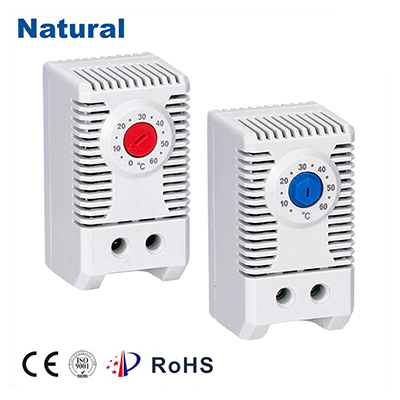
Principles of Bimetal Thermostats
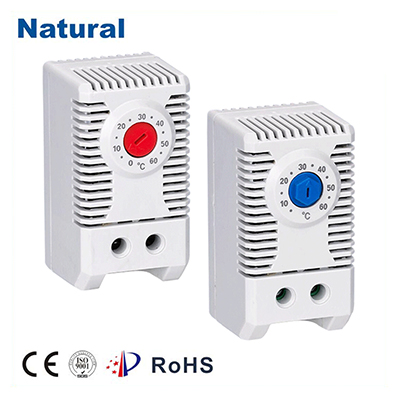
A bimetal thermostat operates based on the differential expansion of two metals that have different coefficients of thermal expansion. When temperature changes occur, one metal expands more than the other, causing the bimetallic strip to bend. This bending action can either open or close an electrical circuit, thereby regulating the operation of a connected device. Typically, the bimetallic strip is formed by fusing two dissimilar metals, such as brass and steel or copper and iron. The selection of metals depends on the required temperature range and sensitivity of the thermostat. The curvature of the strip is designed such that it responds accurately at specific temperature thresholds, making bimetal thermostats highly effective for precise temperature control.
Leave a Reply
You must be logged in to post a comment.