Relay connections play a crucial role in both electrical and network systems. They provide a means to control and manage power or data flow efficiently, making them indispensable in various applications, from industrial automation to modern communication networks. In this article, we will explore the concept of relay connections, their working principles, and how they are applied in different fields.
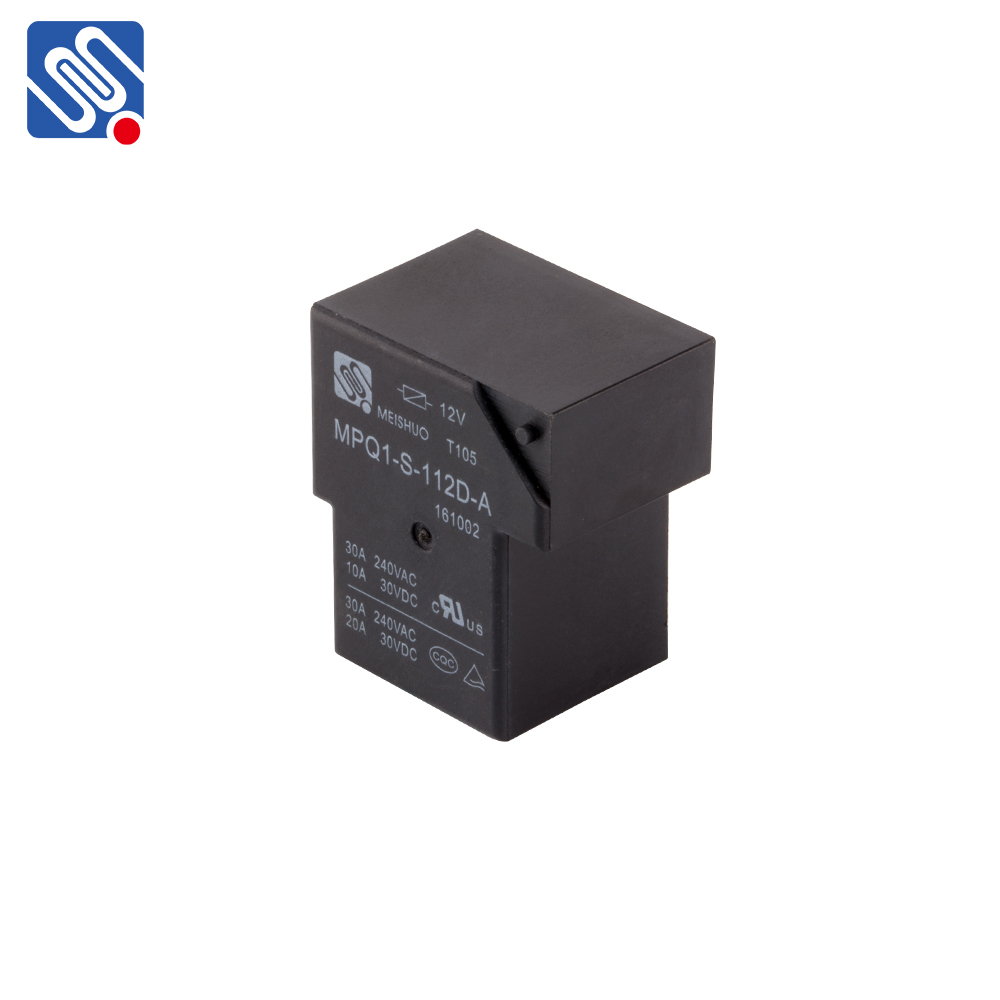
What is a Relay? A relay is an electrically operated switch that allows low-power control signals to control higher-power devices. It typically consists of an electromagnet, a set of contacts, and a spring mechanism. When a small electrical current flows through the electromagnet, it generates a magnetic field that pulls or pushes a set of contacts together or apart. This action allows the relay to either open or close a circuit, thus controlling larger currents with a much smaller input. Relays are commonly used for switching and protection in electrical circuits, and their versatility extends to a wide range of applications, including motor control, alarm systems, and industrial automation.