Lockout safety padlocks play a crucial role in ensuring the safety of workers who maintain, repair, or service industrial equipment. These padlocks are an essential component of the Lockout/Tagout (LOTO) procedure, which is a set of safety practices used to prevent accidental release of hazardous energy during maintenance work. This article explores the significance of lockout safety padlocks, their key features, and the role they play in preventing workplace injuries and fatalities.
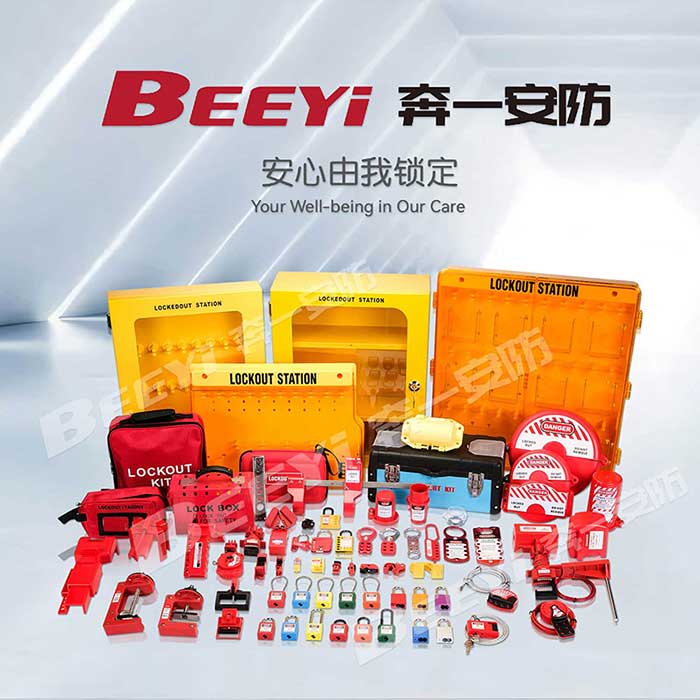
What are Lockout Safety Padlocks? Lockout safety padlocks are specifically designed locks used to secure equipment during a lockout procedure. The purpose of the lockout procedure is to prevent accidental activation or release of hazardous energy (like electrical, mechanical, hydraulic, or pneumatic energy) while a worker is servicing or maintaining equipment. These locks ensure that the equipment cannot be turned on or activated until maintenance work is completed and all workers are safely removed from the equipment. A typical lockout safety padlock is made of durable, high-visibility materials like plastic or steel, which can withstand industrial environments. These locks are often brightly colored (commonly red) to serve as a clear visual indicator that the equipment is in a locked-out state. In addition, they are designed with features that make them tamper-resistant and easy to use, ensuring the lockout process is both effective and reliable.