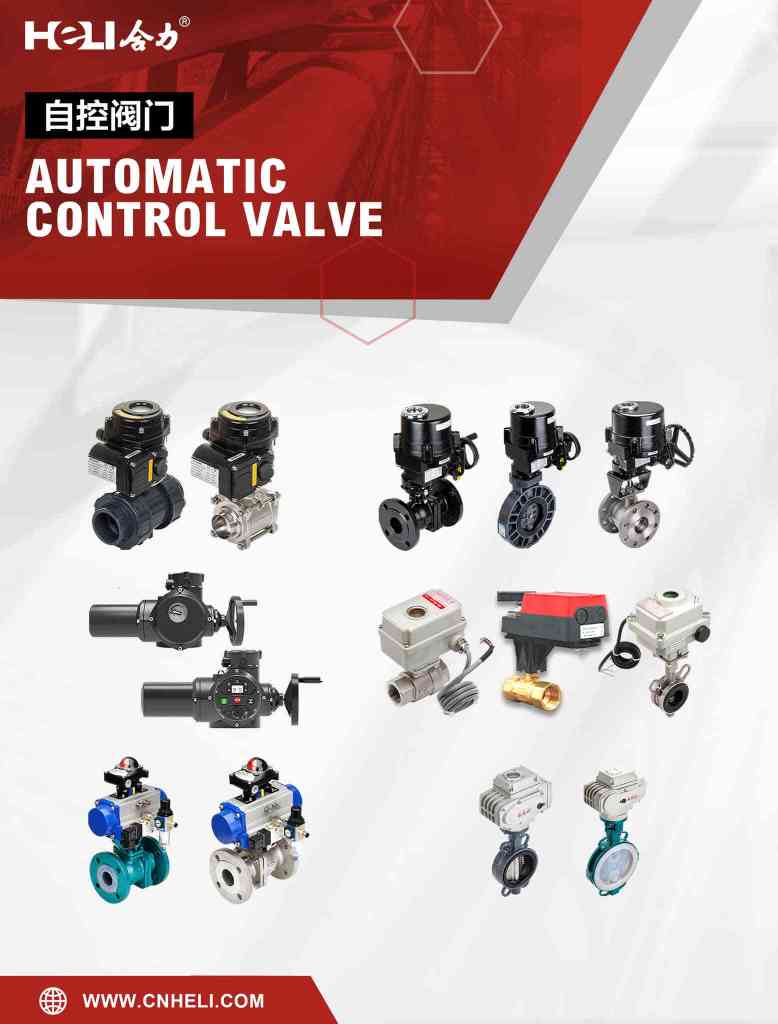
Electric valves are essential components in modern industrial systems, serving as automated devices that control the flow of liquids, gases, and other substances within a system. These valves are equipped with an electric actuator, which allows for precise and remote control, improving efficiency and reducing the need for manual intervention. In this article, we will explore the concept of electric valves, their working principle, types, and various applications.
What is an Electric Valve?
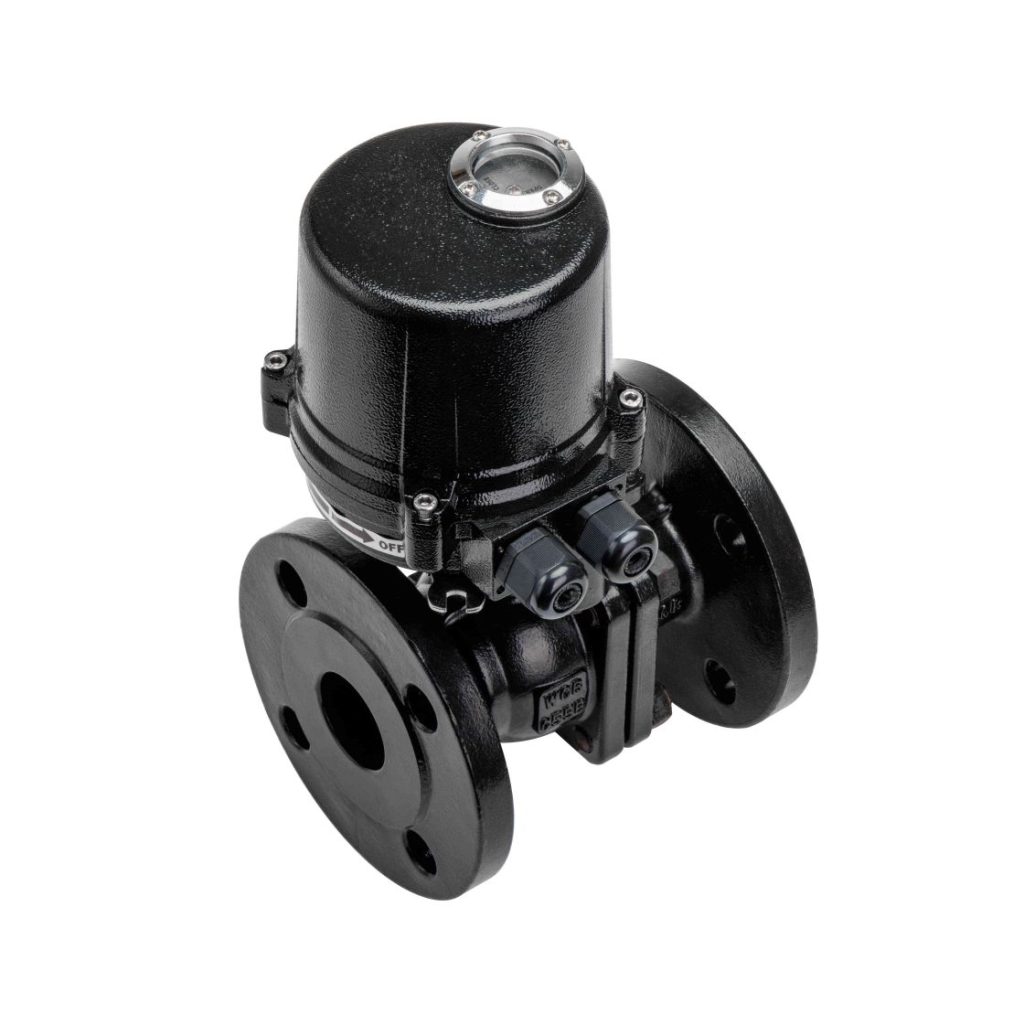
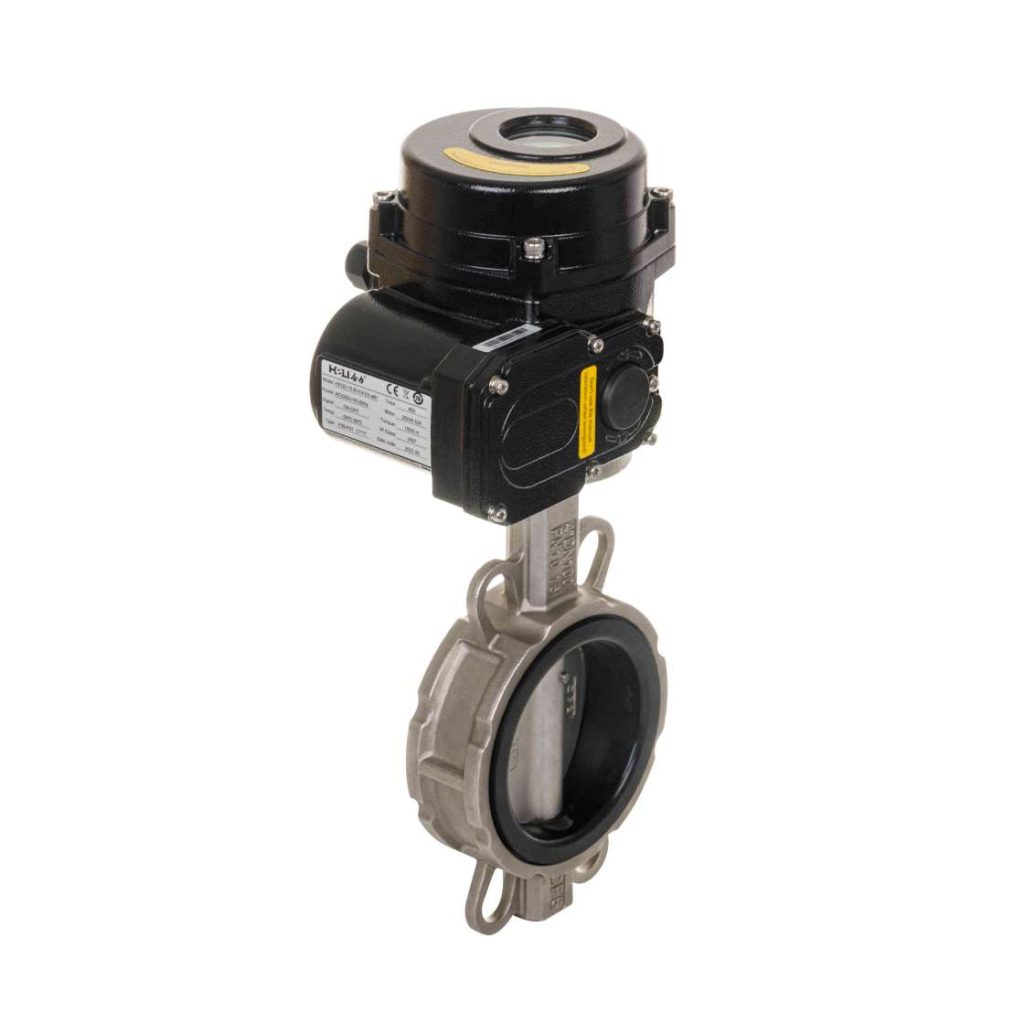
An electric valve is a type of valve that is operated by an electric actuator, which is powered by an electric motor or solenoid. These valves can automatically control the flow of a wide range of media, including water, steam, air, oil, and chemicals. The actuator, which is linked to the valve mechanism, uses an electrical signal to move the valve to the desired position—open, closed, or somewhere in between. This makes electric valves an integral part of automated systems, providing both convenience and safety. Working Principle of Electric Valves The basic working principle of an electric valve involves converting electrical energy into mechanical motion to control the valve’s position. The electric actuator, powered by a motor or solenoid, receives signals from a control system, such as a PLC (Programmable Logic Controller). Depending on the signal received, the actuator adjusts the valve to either allow or block the flow of media. The valve itself typically consists of a body, a seat, and a moving part (such as a ball or disc) that regulates the flow.