In today’s rapidly advancing technological world, energy storage systems are integral to a wide range of applications, from consumer electronics to electric vehicles. Among the key components that play a crucial role in the safety and performance of energy storage systems are the valves used in lithium-ion batteries. The Stainless Steel Lithium Battery Valve is one such innovation that has significantly impacted the reliability of these systems. This article explores the importance, function, and benefits of stainless steel valves in lithium-ion batteries.
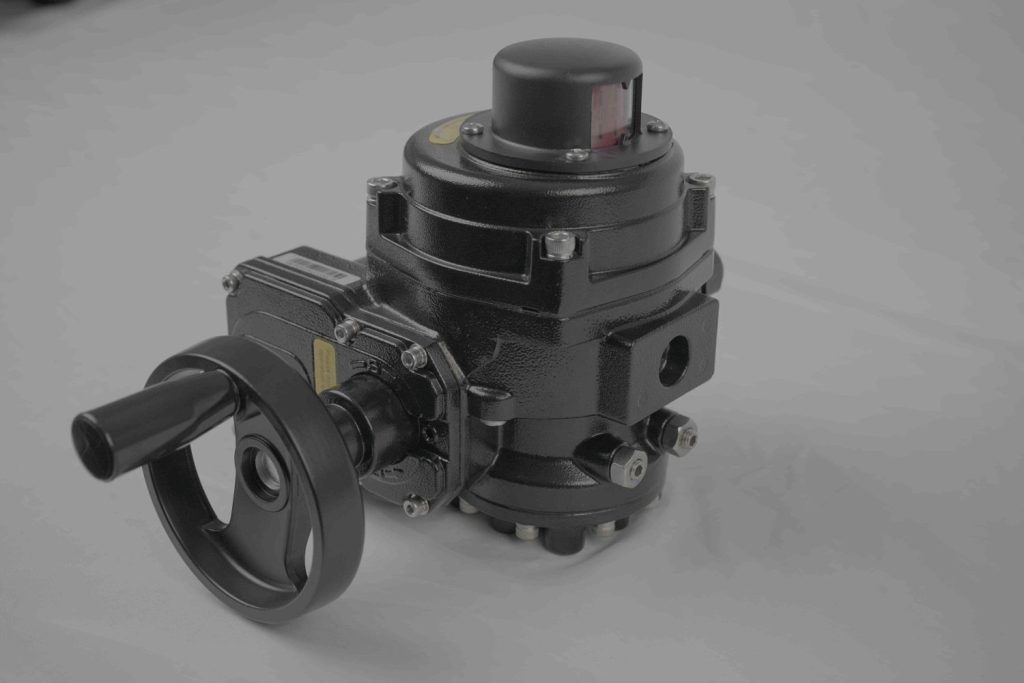
The Role of Valves in Lithium Batteries Lithium-ion (Li-ion) batteries are widely used due to their high energy density, long life cycle, and relatively low weight. However, despite their advantages, these batteries also have certain risks, primarily due to the volatile nature of lithium when exposed to extreme conditions such as overcharging, short circuits, or physical damage. To mitigate these risks, batteries are often equipped with safety valves that help control internal pressure and prevent dangerous outcomes, including thermal runaway or explosions. The valve serves as a safety mechanism to release excess pressure within the battery casing. If the battery’s internal pressure exceeds a certain threshold, the valve opens, allowing gases to escape safely. This prevents the buildup of pressure, which could otherwise cause the battery to rupture or leak hazardous chemicals.