In the rapidly evolving landscape of industrial automation, electric two-seat regulating valves play a pivotal role in controlling fluid dynamics, ensuring efficiency, and enhancing safety across various applications. These sophisticated devices are essential for regulating the flow and pressure of fluids in a multitude of industries, including chemical processing, power generation, water treatment, and HVAC systems. This article delves into the significance of electric two-seat regulating valve manufacturers, their products, and their contribution to modern industries.
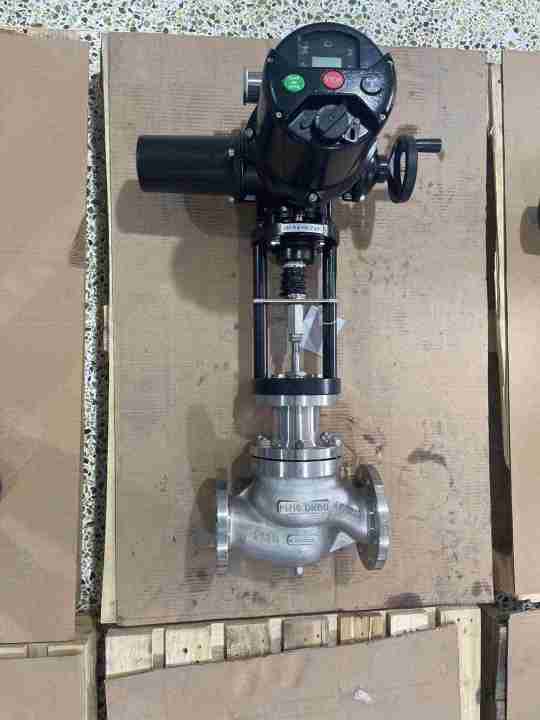
The Functionality of Electric Two-Seat Regulating Valves Electric two-seat regulating valves are designed for precision control of fluid flow. Their primary function is to adjust the flow rate and pressure of a fluid through a pipe system based on real-time feedback from various sensors. The unique design featuring two seats allows for improved sealing and the ability to handle substantial pressure differentials. Compared to traditional valve types, electric two-seat valves provide faster response times and higher accuracy, thanks to their electric actuator components. These valves are equipped with electric actuators that allow for seamless integration into automated control systems. By receiving signals from a central control unit, they can respond instantly to changes in system demands, making them ideal for applications requiring fine-tuning of fluid parameters. Whether in a chemical processing plant where certain reactions are temperature-sensitive, or in a HVAC system where consistent air pressure is crucial, the role of these valves cannot be overstated.