The WCB Electric pinch valve is a highly specialized device designed for regulating the flow of liquids and gases in various industrial applications. Its operational principle and unique features make it a preferred choice for many sectors dealing with challenging materials such as slurries, thick liquids, and granular substances. This article explores the functionality, advantages, and applications of the WCB Electric pinch valve, highlighting why it stands out in fluid control technology.
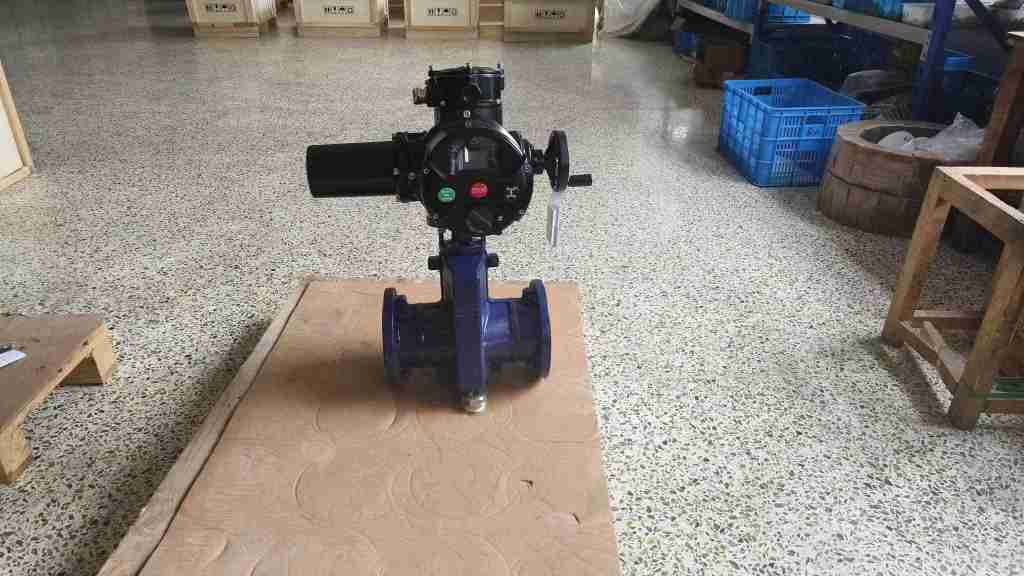
Functionality and Design The WCB Electric pinch valve operates using a simple yet effective mechanism. At its core, it employs a flexible sleeve (usually made from rubber or a similar elastomer) that is pinched or compressed to control the flow of the medium. When the electric actuator is engaged, it systematically applies pressure to the sleeve, causing it to constrict around the flow path. This design facilitates precise control over the flow rate and ensures a controlled, leak-proof shut-off. A key advantage of the pinch valve design is its inherent self-cleaning feature. The flow path of the valve typically does not have any obstructions, which reduces the likelihood of blockages caused by sedimentation or buildup of materials. This is particularly important when working with viscous or solid-laden fluids.