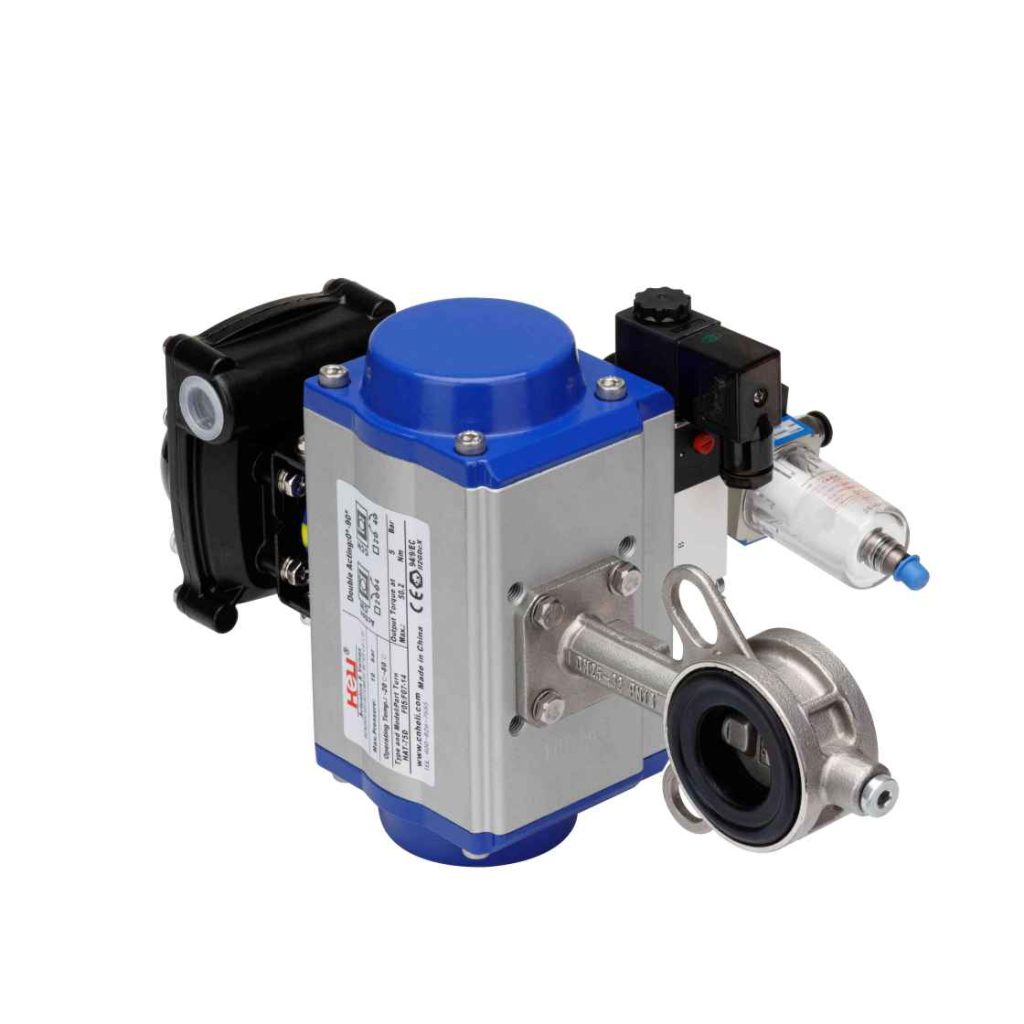
Pneumatic butterfly valves are essential components in various industrial applications, playing a crucial role in controlling the flow of liquids and gases. Their simple yet effective design makes them a popular choice across many sectors, including water treatment, chemical processing, and HVAC systems. This article explores the functionality, advantages, applications, and maintenance of pneumatic butterfly valves.
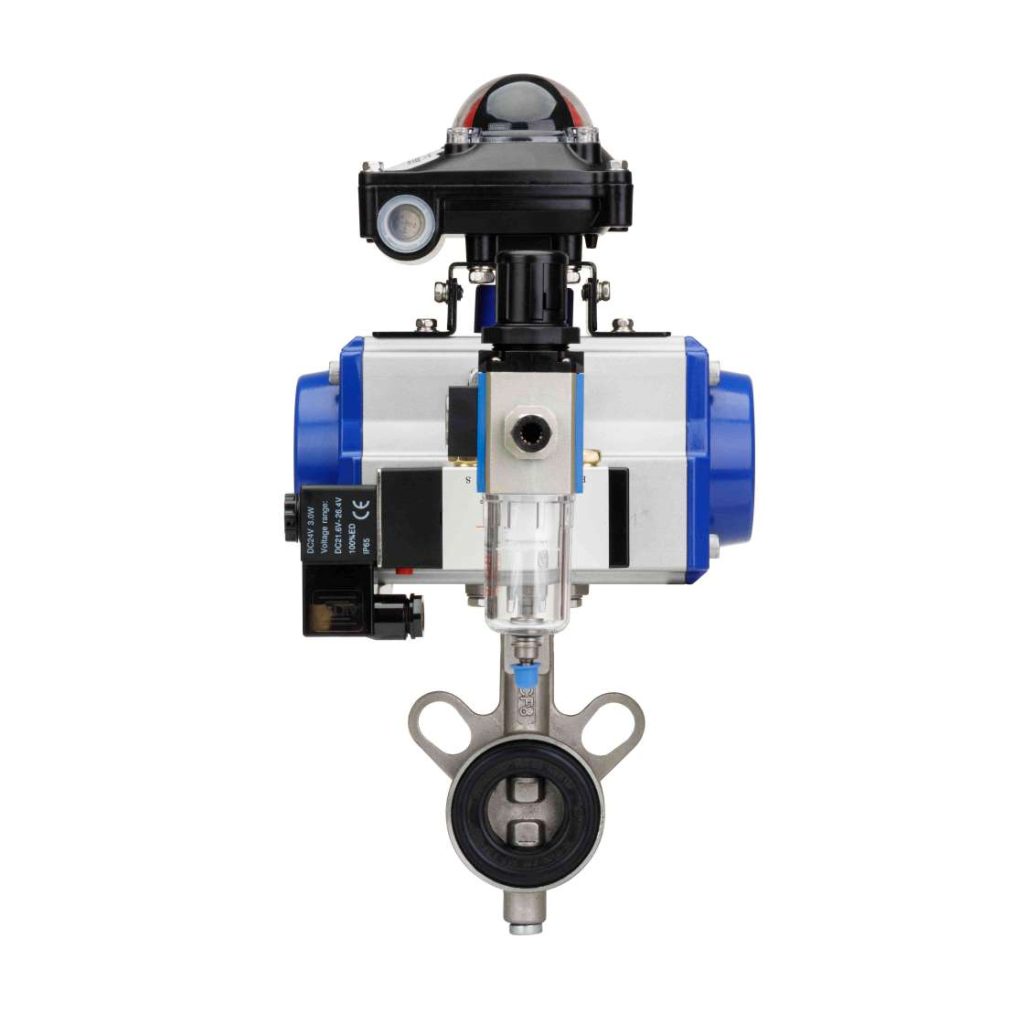
What is a Pneumatic Butterfly Valve?
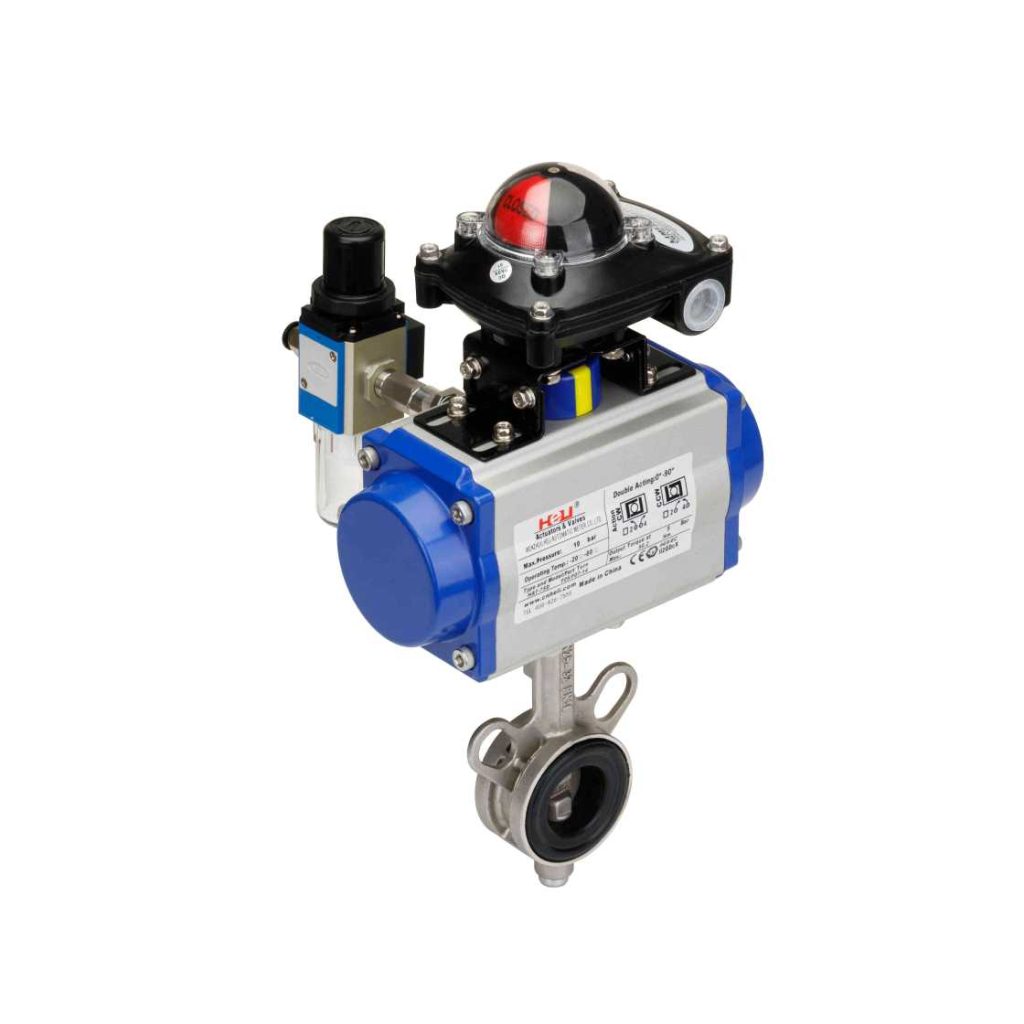
A pneumatic butterfly valve consists of a circular disc that rotates on a shaft within a pipeline. When the valve is closed, the disc is perpendicular to the flow, obstructing it; when opened, the disc aligns parallel to the flow, allowing the medium to pass through. The term “pneumatic” refers to the valve’s operation, which is powered by compressed air, allowing for quick and efficient actuation. How Pneumatic Butterfly Valves Work The operation of a pneumatic butterfly valve involves several key components: the valve body, the disc, the shaft, and the actuator. The actuator is typically powered by compressed air, providing the necessary force to rotate the disc. When the air pressure is applied, it moves the actuator, which, in turn, rotates the shaft and the disc to either open or close the valve.