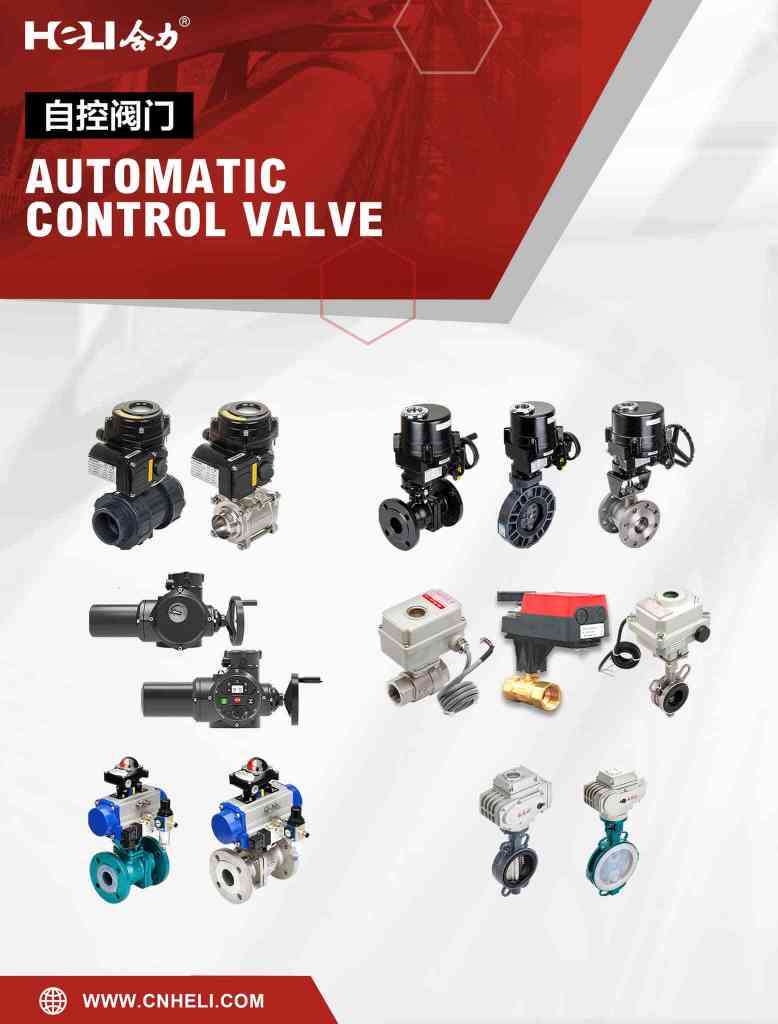
Electric valves have become an integral part of various industries, providing automation and precise control over fluid and gas flow in piping systems. These valves, powered by electric actuators, allow for remote and automatic operation, making them an essential component in fields ranging from manufacturing and chemical processing to HVAC systems and water treatment. In this article, we will explore the function, advantages, and diverse applications of electric valves in modern engineering systems.
What is an Electric Valve?
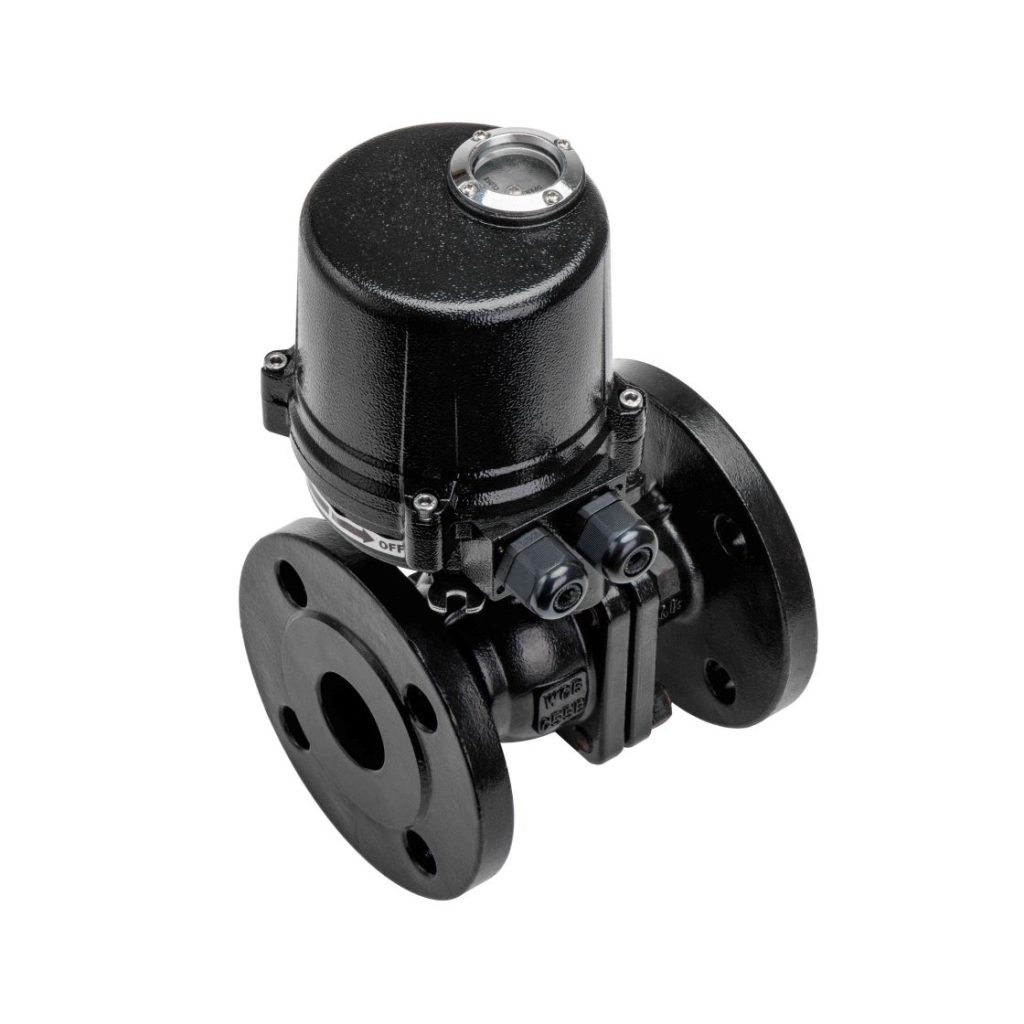
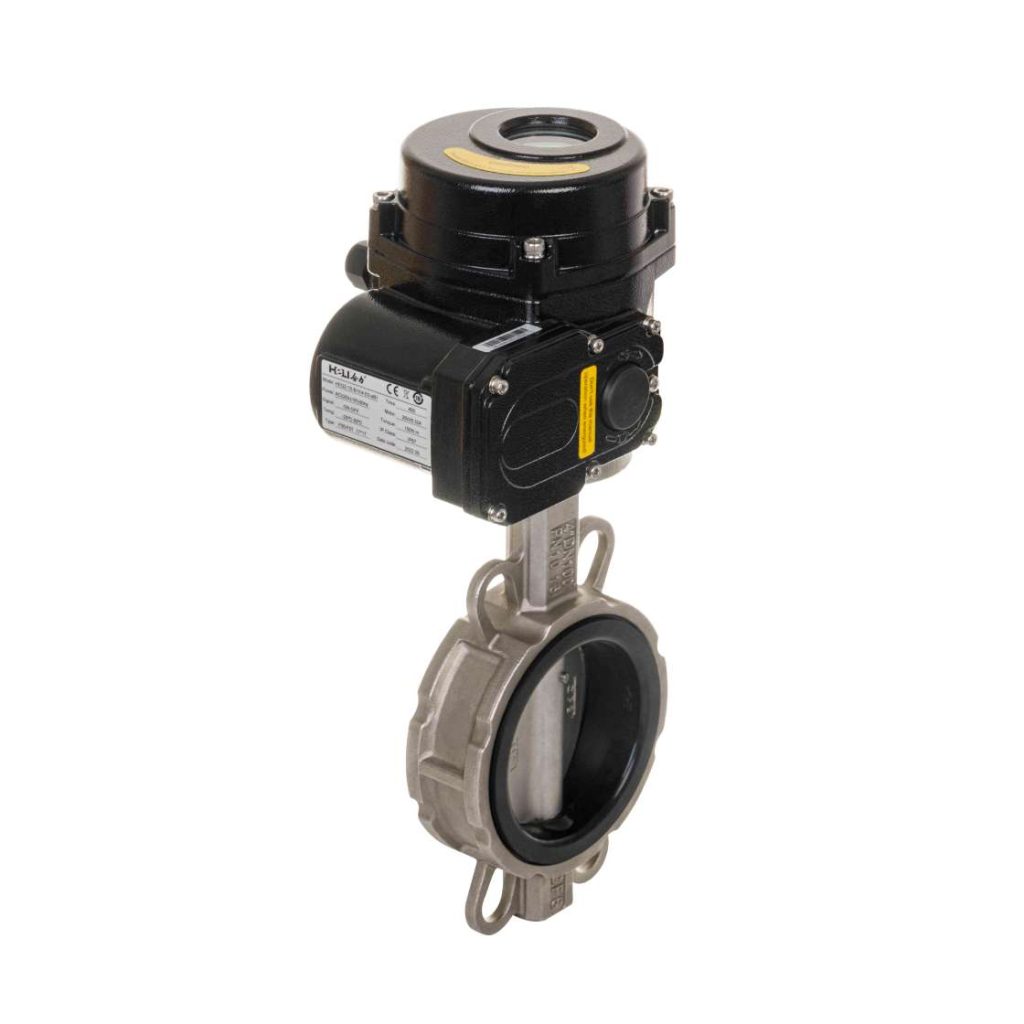
An electric valve is a type of control valve that uses an electric actuator to regulate the flow of fluids or gases through a pipe. These valves are typically part of a larger automated system where their opening and closing are controlled remotely, often by a central computer or a control panel. The electric actuator responds to electrical signals, adjusting the valve to either allow or stop the passage of fluids, gases, or slurries. There are different types of electric valves, including ball valves, butterfly valves, and globe valves, each suited to different operational needs. The actuator, which is responsible for the movement of the valve, can be powered by electricity, and it offers high precision, durability, and ease of integration with other control systems.