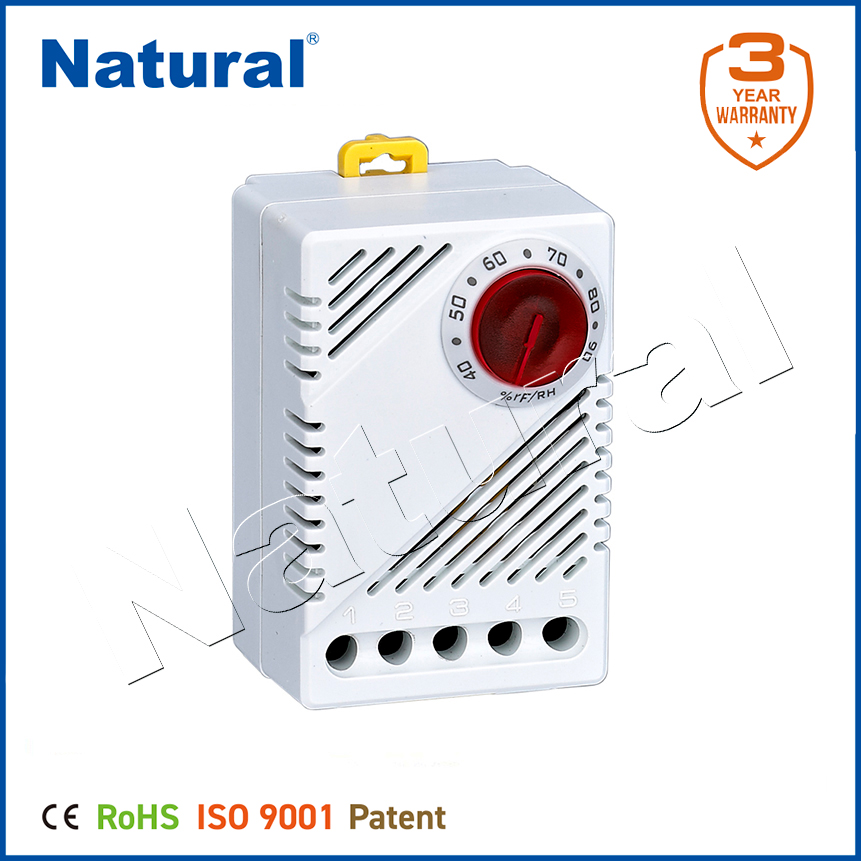
In the world of modern technology, controlling environmental factors such as temperature and humidity has become crucial in various industries and household settings. One of the devices designed specifically for managing humidity levels is the electronic hygrostat. This innovative device helps maintain the desired humidity within a specific range by regulating humidifiers, dehumidifiers, or ventilation systems, making it indispensable in applications ranging from climate control to sensitive equipment storage. This article explores what an electronic hygrostat is, how it works, and the various applications that benefit from its use.
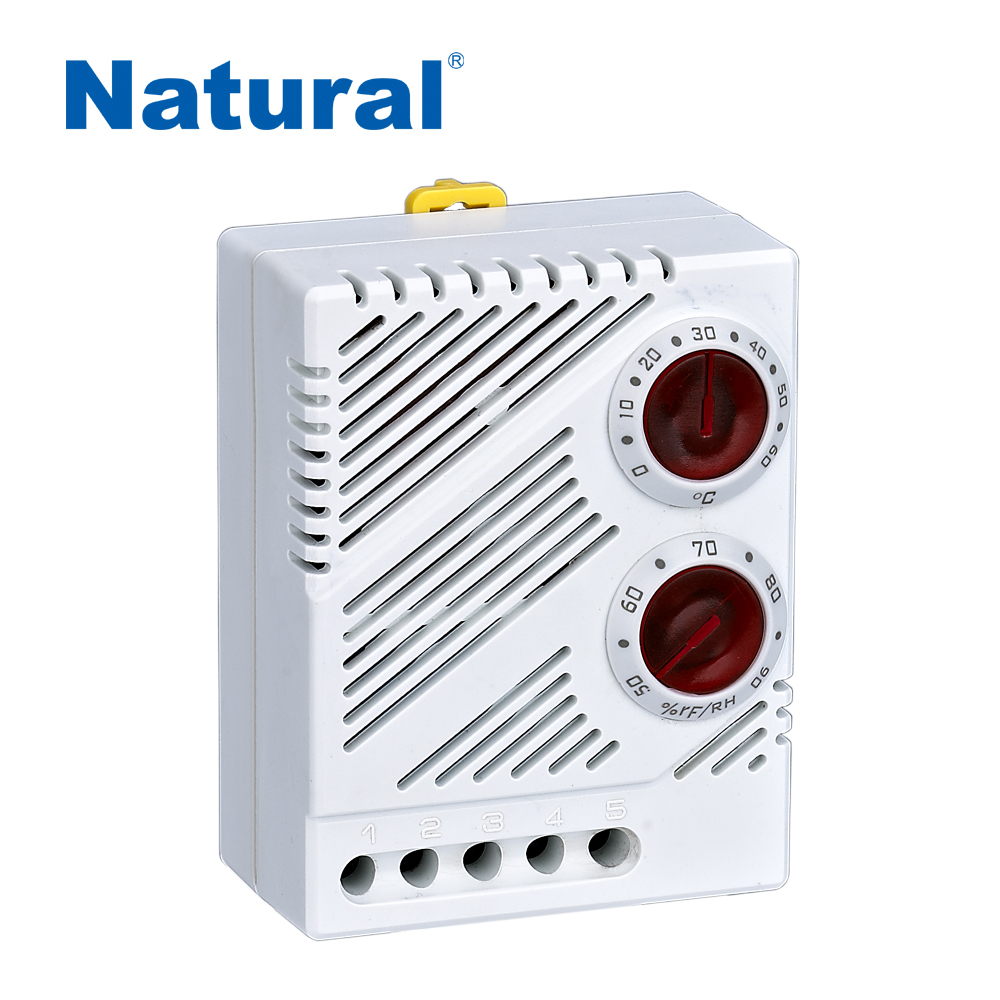
What is an Electronic Hygrostat?
An electronic hygrostat is a device that monitors and controls the humidity level in a given space. Unlike traditional mechanical hygrometers, which only measure the humidity, electronic hygrostats offer active control by adjusting other systems to maintain the preset humidity levels. These devices are usually equipped with sensors that detect the current humidity in the air and an adjustable control mechanism that activates or deactivates connected equipment like humidifiers or dehumidifiers accordingly. Typically, the device operates based on a set range of humidity values (for example, 40-60% relative humidity), and it works to keep the environment within that range. When the humidity level rises above the set value, the electronic hygrostat will trigger the dehumidifier to reduce moisture in the air. Conversely, if the humidity drops below the desired level, the hygrostat will activate the humidifier to increase moisture content, ensuring optimal conditions are maintained.