In industrial and manufacturing settings, efficient fluid control is crucial for maintaining optimal operations. One of the critical components that play a significant role in controlling the flow of various fluids is the pinch valve. Among the many innovations in this field, the WCB Electric Pinch Valve stands out as a solution that offers precision, reliability, and ease of use. This article explores the features, benefits, and applications of the WCB Electric Pinch Valve, highlighting why it has become a preferred choice for industries worldwide.
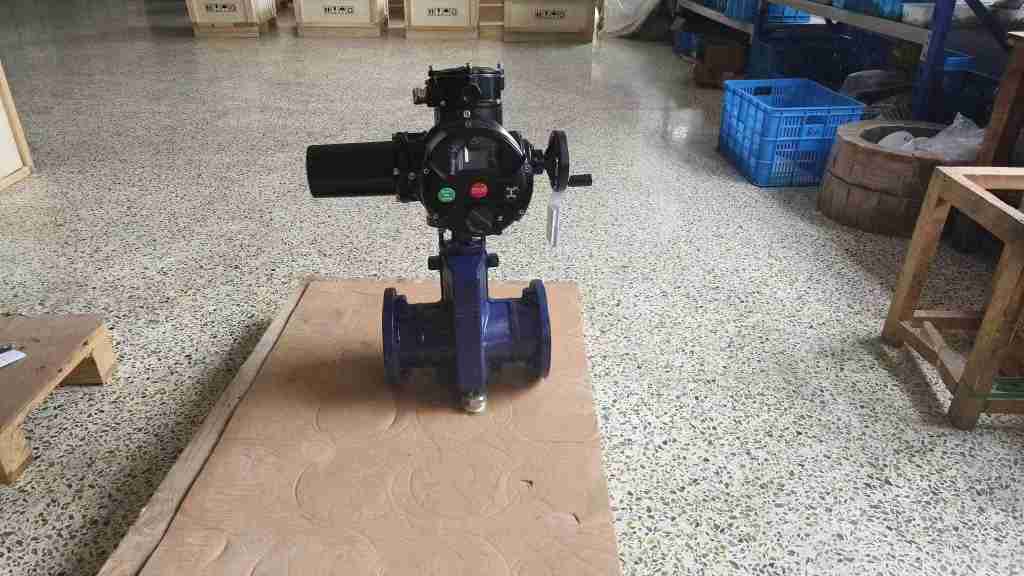
What is a WCB Electric Pinch Valve? A pinch valve is a type of control valve that regulates the flow of fluids by pinching the valve’s elastomeric sleeve. This sleeve acts as the primary sealing element, and when actuated, it closes or opens to allow or restrict the flow of the medium. The WCB Electric Pinch Valve combines the traditional pinch valve design with an electric actuator, providing a higher degree of automation and control compared to manual or pneumatic alternatives. The “WCB” in the valve’s name stands for the material of the valve body—Wrought Carbon Steel (WCB). WCB is a type of steel commonly used in the valve industry for its excellent mechanical properties and resistance to corrosion, making it a durable and robust choice for demanding industrial environments.