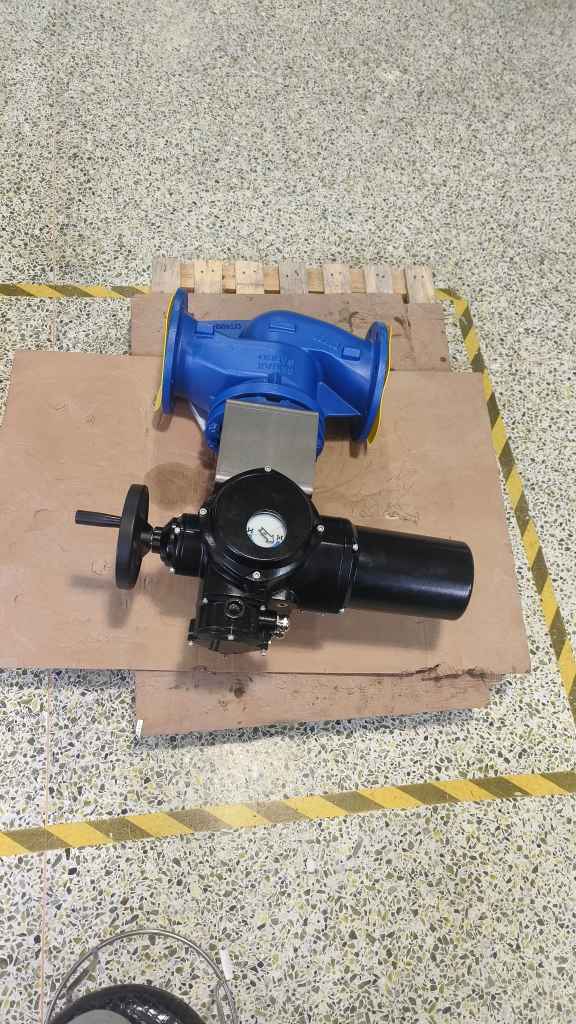
Lithium-ion batteries have revolutionized the world of energy storage and electric vehicles due to their high energy density, long lifespan, and rapid charging capabilities. However, with these advantages come significant safety concerns, especially when it comes to overcharging, overheating, and potential short-circuits. One of the critical safety measures that has emerged alongside lithium-ion battery technology is the Lithium Battery Electric Shut-Off Valve. This device plays a crucial role in enhancing the performance, safety, and longevity of lithium battery systems by managing the flow of electricity and preventing catastrophic failures.
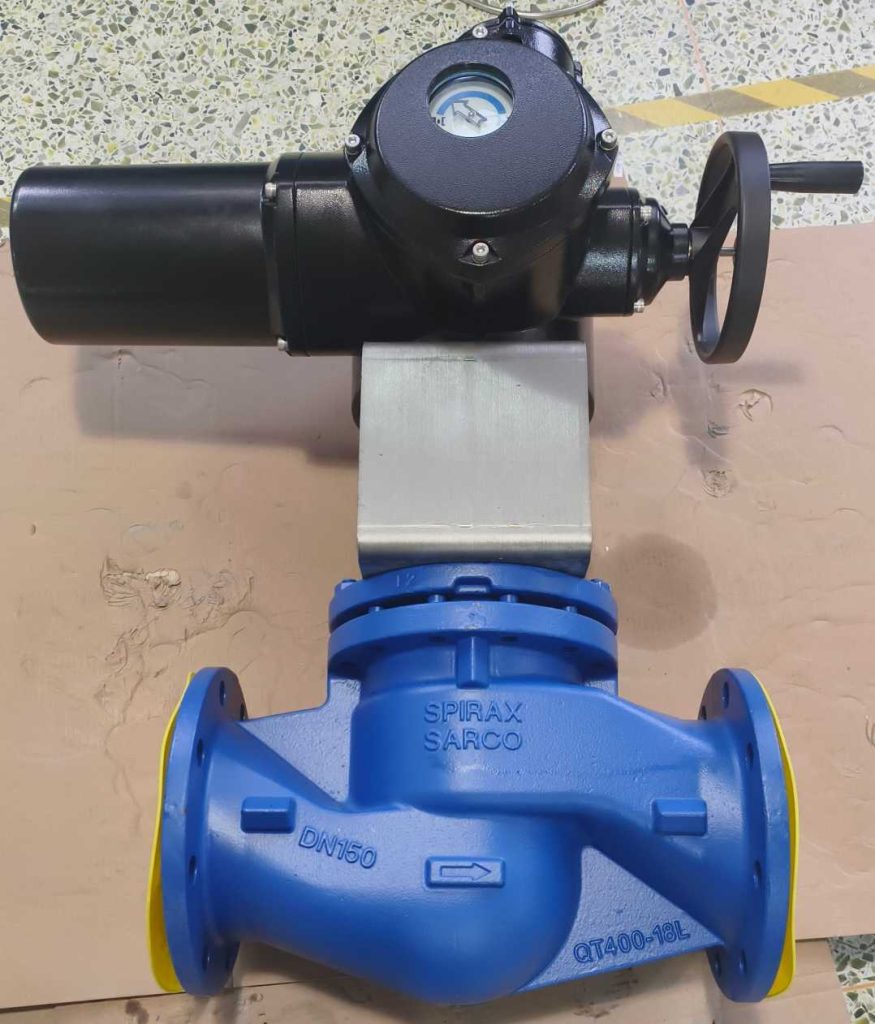
The Role of Shut-Off Valves in Lithium Battery Systems
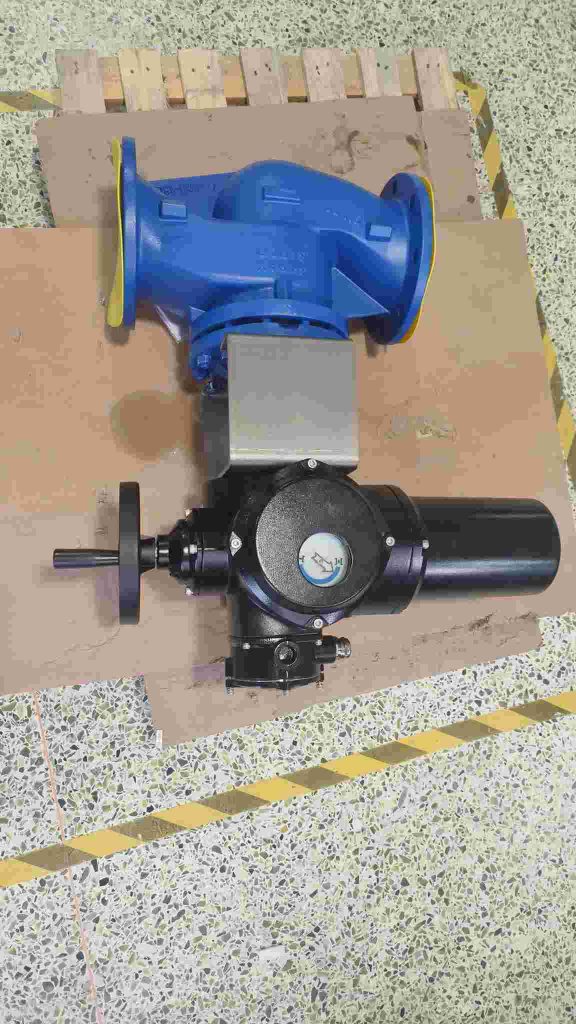
A Lithium Battery Electric Shut-Off Valve is an electronic valve designed to control the flow of electrical energy between the battery and its connected components, such as the battery management system (BMS), the power distribution unit (PDU), or the load. The primary function of these valves is to act as a protective barrier, automatically disconnecting the battery in the event of a fault or unsafe operating condition. In traditional mechanical systems, shut-off valves are often used to control the flow of liquids or gases. In contrast, the electric shut-off valve in a lithium battery system manages the flow of electrical current. This is a critical safety feature, as it can prevent the battery from discharging in harmful ways that could lead to thermal runaway, fire, or even explosions. By cutting off the electrical circuit when necessary, the valve ensures that the battery operates within its safe temperature and voltage limits.