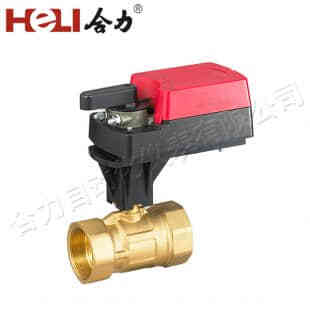
In various industrial applications, especially those involving flammable or explosive substances, safety remains a paramount consideration. Among the critical safety devices employed in such environments is the Explosion-proof Damper Actuator. This device ensures the secure operation of dampers, which are essential for managing airflow, pressure, and the potential for hazardous material release. Understanding the significance, functionality, and applications of explosion-proof damper actuators is crucial for industries that operate under strict safety regulations.
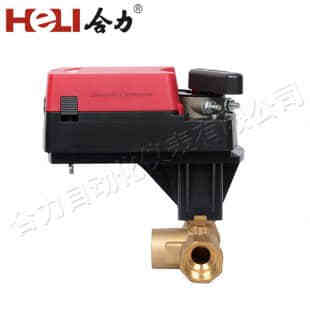
What is an Explosion-proof Damper Actuator?
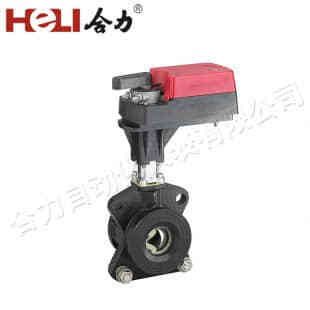
An explosion-proof damper actuator is a mechanical device designed to operate dampers in environments where explosive gases or dust might be present. These actuators can be either electric or pneumatic and are specifically engineered to resist ignition in environments that could potentially lead to explosions. The construction of these actuators adheres to stringent industry standards, such as ATEX (Europe) and IECEx (International), which certify that they are safe to use in high-risk areas. Working Mechanism The primary function of the explosion-proof damper actuator is to regulate the opening and closing of dampers based on signals received from a control system. This can involve either fully opening or closing a damper or positioning it to specific degrees to manage airflow precisely. Electric actuators utilize electric motors to perform these operations, while pneumatic actuators rely on compressed air.