The transition to renewable energy sources is a global imperative as societies seek to reduce their reliance on fossil fuels and combat climate change. Among the promising alternatives, hydrogen energy has emerged as a frontrunner due to its potential for clean energy generation and storage. Integral to the efficient management of hydrogen systems is the electric pinch valve, a crucial component designed to regulate the flow of hydrogen in various applications. This article explores the significance of hydrogen energy electric pinch valves, their operational principles, applications, and the benefits they bring to the hydrogen economy.
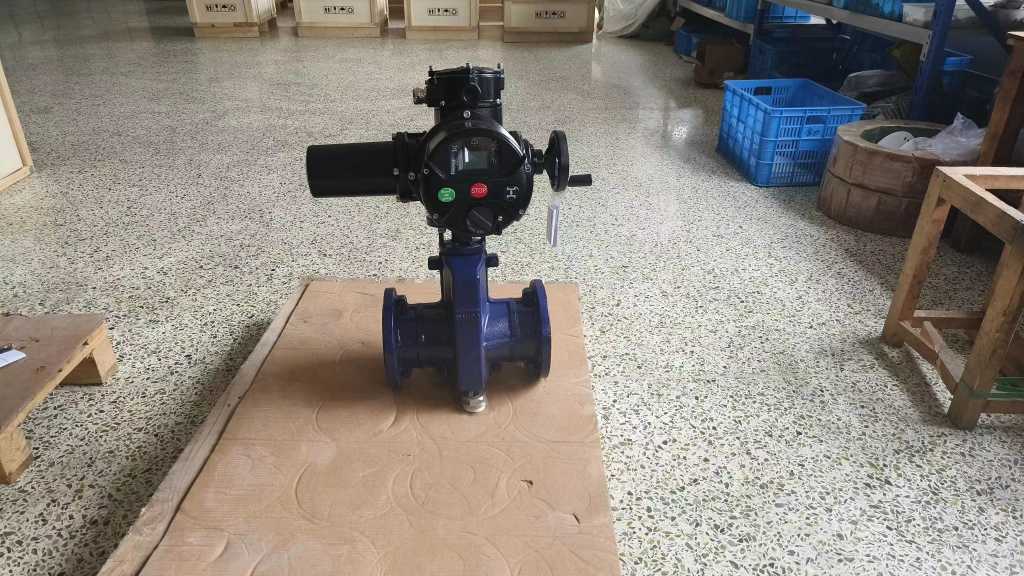
Understanding Hydrogen Energy Hydrogen energy is derived from the chemical element hydrogen, which, when used in fuel cells, produces electricity while emitting only water vapor as a byproduct. This makes hydrogen a clean energy carrier with applications ranging from transportation to industrial processes and energy storage. However, the effective handling of hydrogen, which is highly flammable and requires specific conditions for safe storage and transport, is paramount. This is where electric pinch valves come into play. What is an Electric Pinch Valve? An electric pinch valve is a type of control valve that regulates the flow of fluids in a piping system. Its design consists of a flexible tube or sleeve that can be pinched closed or opened by an actuator, typically powered by electricity. This mechanism allows for precise control over the flow rate, making it an ideal choice for applications where accuracy is essential. The electric pinch valve operates by applying pressure to the sleeve, which reduces the cross-sectional area and thereby restricts the flow.