In recent years, hydrogen energy has garnered significant attention as one of the most promising solutions to address global energy challenges and reduce carbon emissions. As the world continues to transition towards cleaner, more sustainable energy sources, hydrogen plays a crucial role in this shift. One of the key components that contribute to the efficient use of hydrogen energy in various industrial applications is the Hydrogen Energy Electric Two-Seat Regulating Valve. This article explores the importance, function, and benefits of this valve in hydrogen energy systems, particularly in maintaining safety and efficiency.
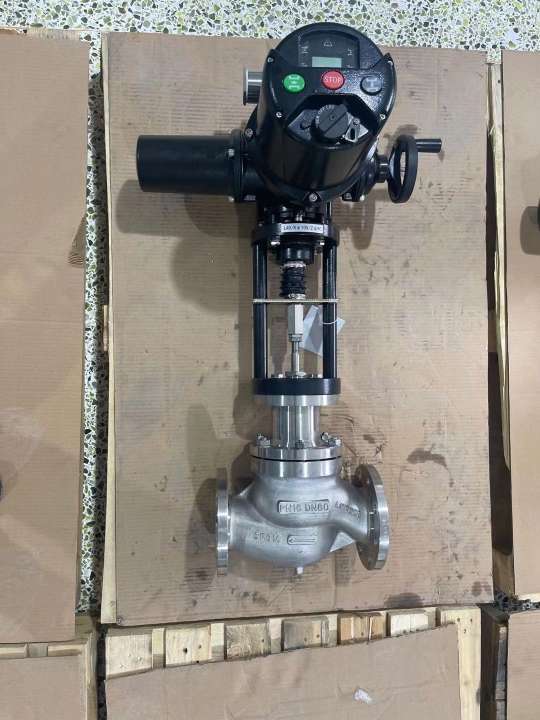
What is a Hydrogen Energy Electric Two-Seat Regulating Valve? A Hydrogen Energy Electric Two-Seat Regulating Valve is a type of control valve designed specifically for use in hydrogen energy systems. It is electrically actuated, meaning it uses an electric motor or actuator to control the opening and closing of the valve. The “two-seat” design refers to the valve’s structure, where two sealing surfaces (seats) work together to provide a tight seal when the valve is closed. These types of valves are primarily used to regulate the flow, pressure, and temperature of hydrogen gas in pipelines or equipment, ensuring stable and precise control.