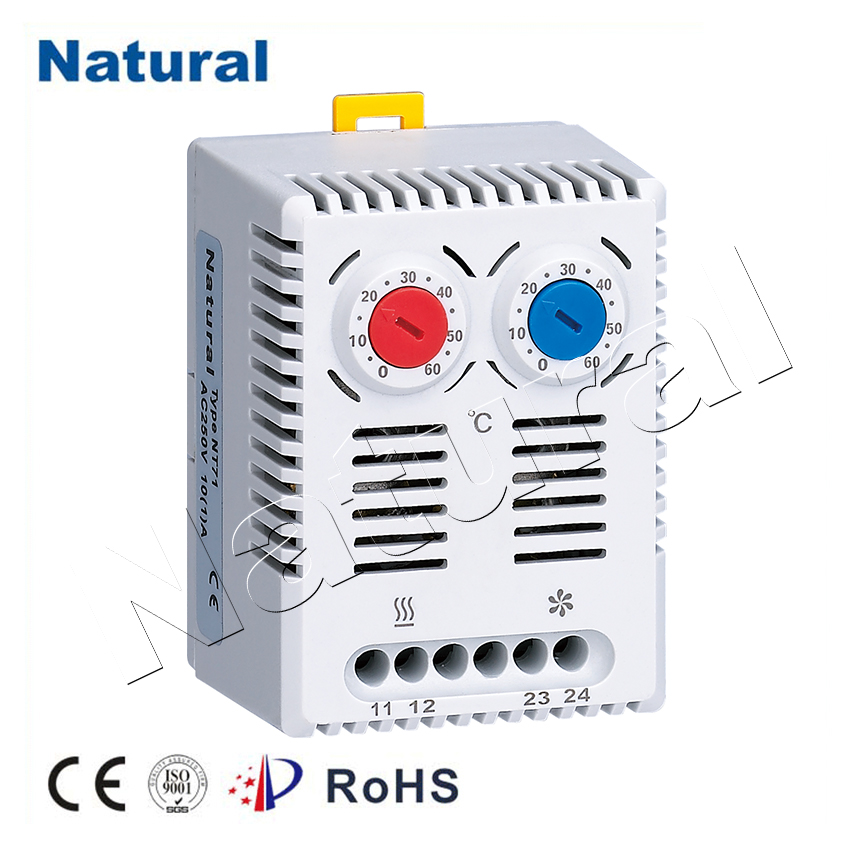
A Dual Thermostat is a versatile and efficient component found in various temperature control systems, such as refrigerators, air conditioning units, and heating systems. By integrating two separate thermostats within one device, a dual thermostat provides enhanced control over the temperature regulation of multiple zones or compartments. In this article, we will explore the working principle, advantages, and common applications of dual thermostats, along with the impact they have on energy efficiency and user comfort.
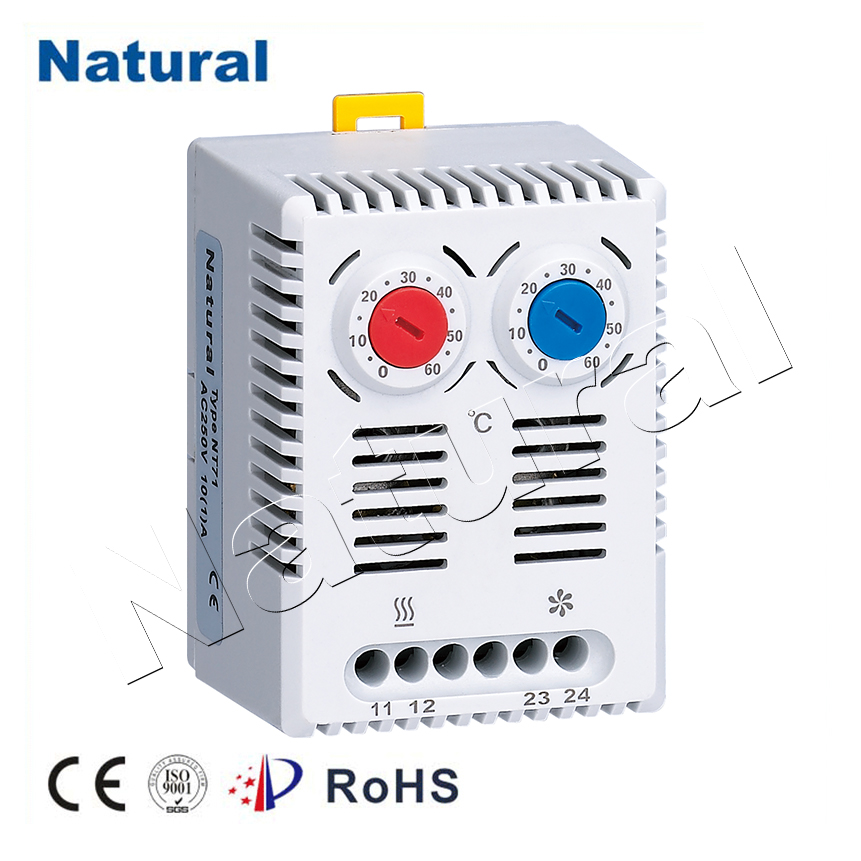
What is a Dual Thermostat?
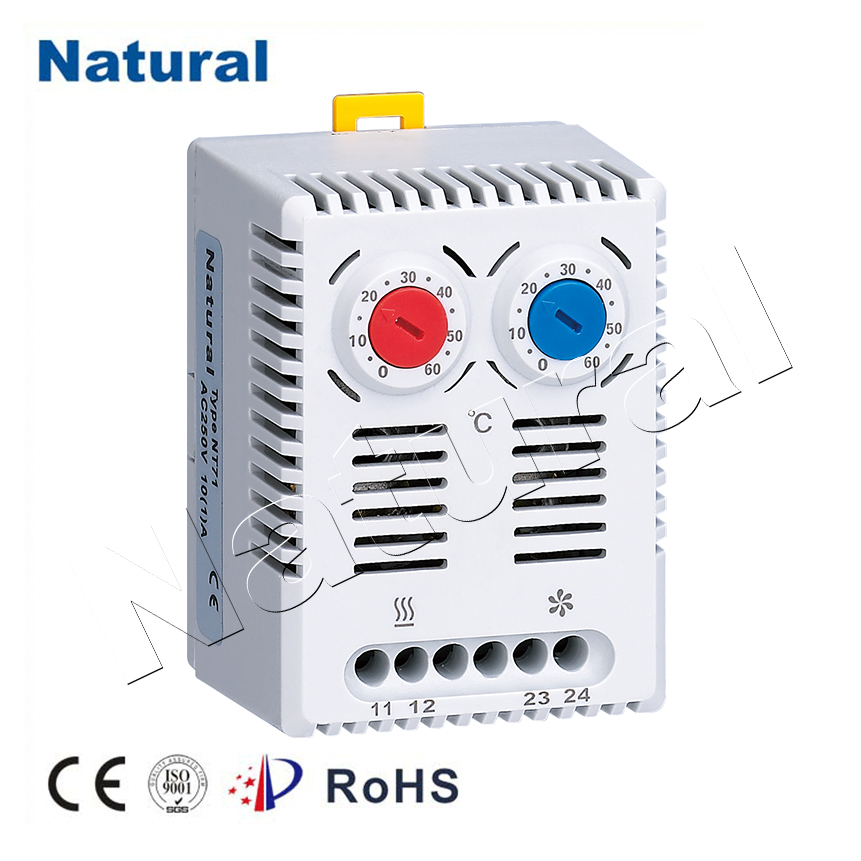
A dual thermostat system is designed to control the temperature in two separate areas or compartments independently. In contrast to a single thermostat that controls one temperature zone, a dual thermostat allows users to set different temperatures for different spaces. This is especially useful in appliances like refrigerators, where the refrigerator compartment and the freezer compartment need to be set to different temperatures to maintain optimal food storage conditions. In essence, a dual thermostat can be thought of as two thermostats working in tandem, each controlling its respective zone. These thermostats can be either mechanical or digital, depending on the system and device in which they are integrated.