The Electric Pinch Valve is an innovative and reliable solution for controlling fluid flow, particularly in applications where traditional valve systems may fall short. This specialized valve type is designed to offer precision control, easy operation, and versatility, especially in industries that handle challenging fluids such as those containing particles, high viscosity, or even abrasive materials. In this article, we will explore the basic design, working principles, applications, and advantages of electric pinch valves, shedding light on why they have become indispensable in many industrial processes.
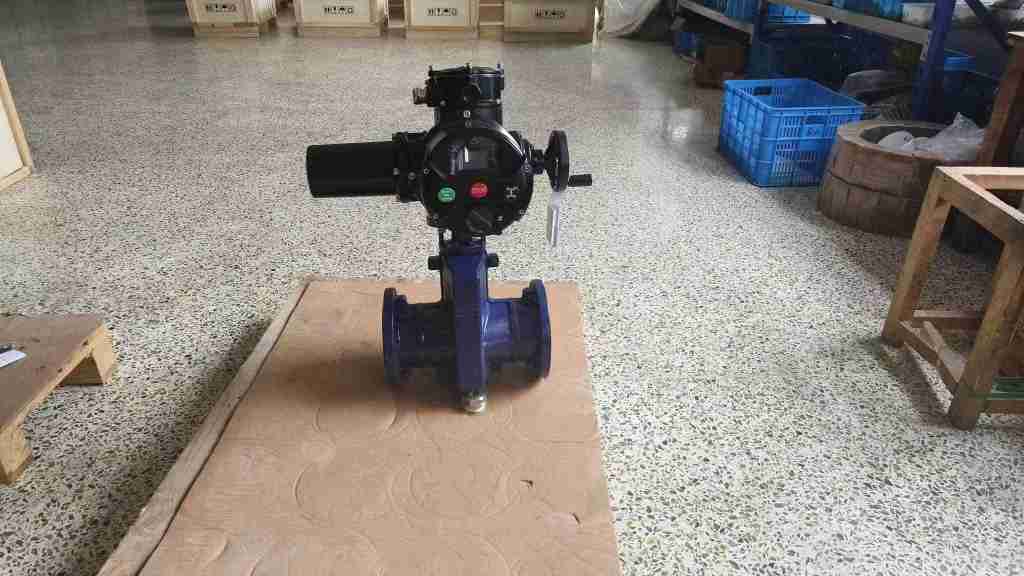
What is an Electric Pinch Valve? An Electric Pinch Valve is a valve that controls the flow of a fluid through a flexible tube, which is pinched or released using an electric actuator. The valve operates by constricting the tube to reduce or block the flow of the fluid inside it. When the tube is pinched, the fluid flow is obstructed; when released, the flow is allowed to pass through. The electric actuator, typically an electric motor, controls the pinch by either tightening or loosening the mechanism. Key Components and Working Principle The core components of an electric pinch valve include the following: