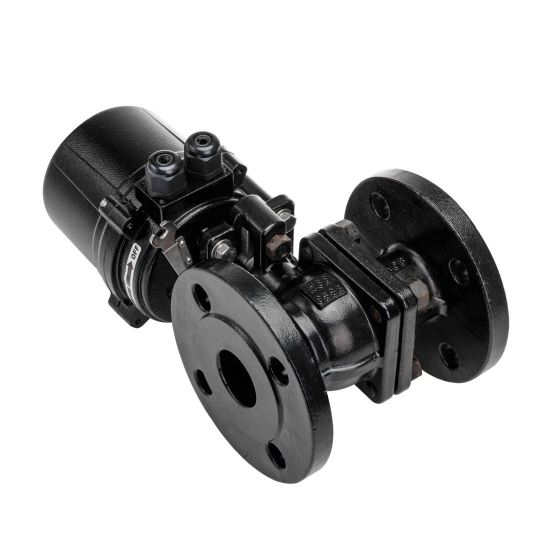
Electric high temperature ball valves are crucial in industries where fluid control under extreme thermal conditions is a necessity. These specialized valves combine the robustness of ball valve design with the convenience and efficiency of electric actuation, providing a reliable solution for handling high-temperature processes. In this article, we will explore the key features, applications, and benefits of electric high temperature ball valves, highlighting their role in industrial systems.
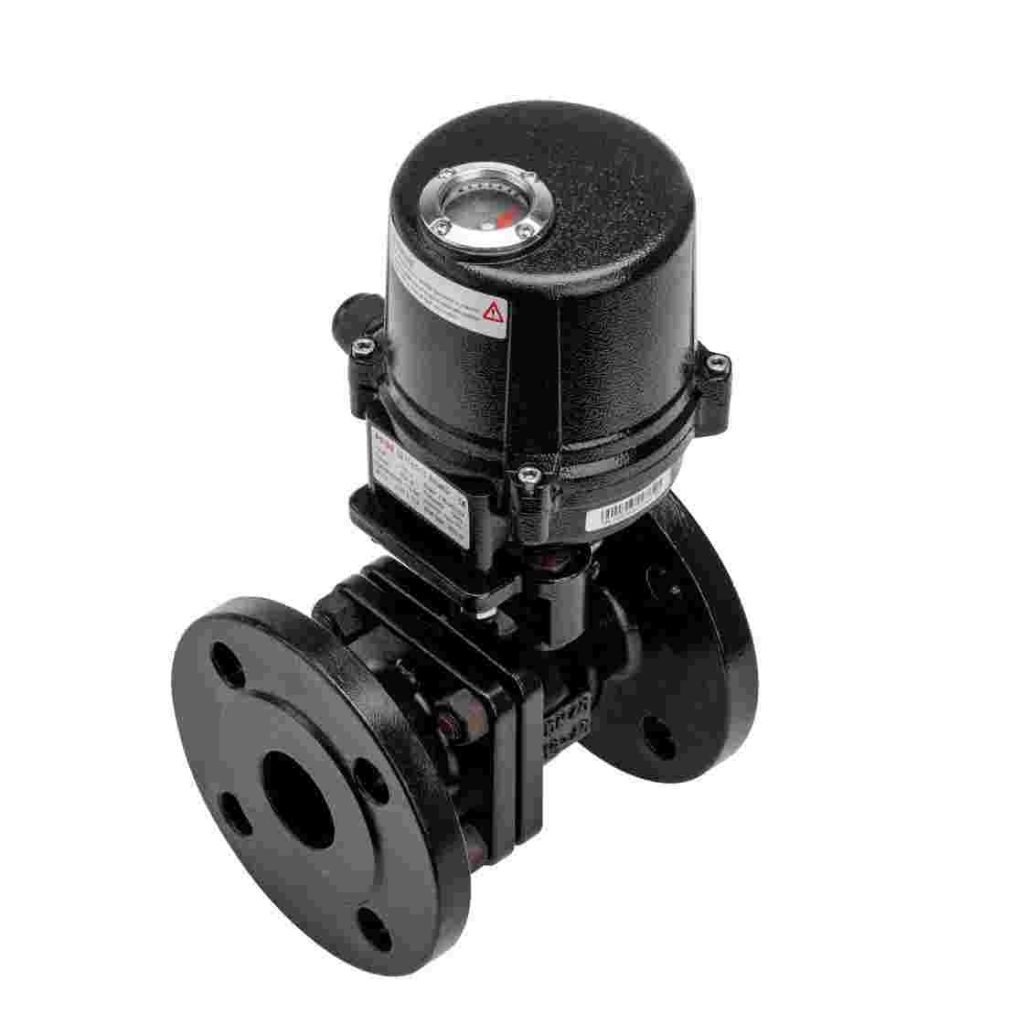
Key Features of Electric High Temperature Ball Valves
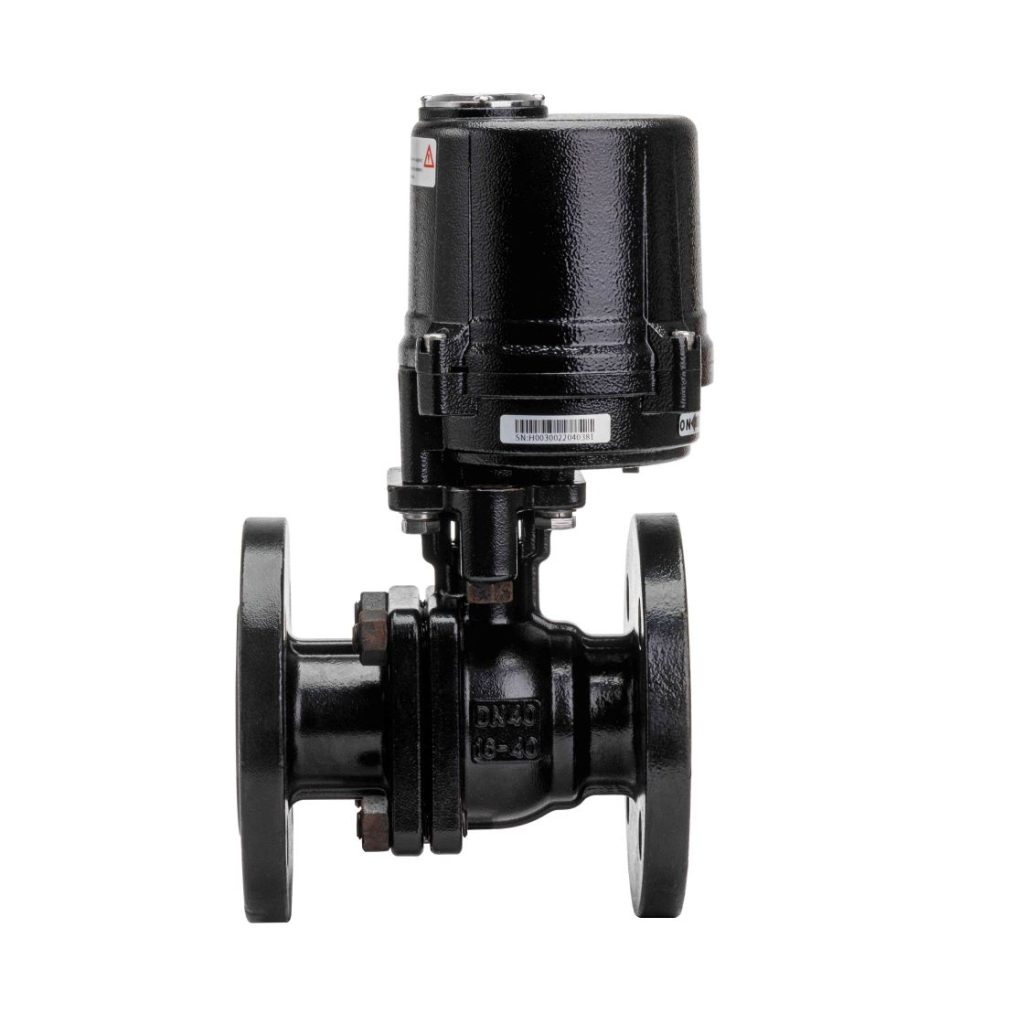
High Temperature Resistance As the name suggests, the primary feature of electric high temperature ball valves is their ability to withstand extreme heat. These valves are designed to operate in environments with temperatures often exceeding 200°C (392°F) and sometimes reaching up to 600°C (1112°F) or higher. The materials used to construct these valves, such as heat-resistant alloys like Inconel, Hastelloy, and stainless steel, ensure their durability and efficiency in high-temperature conditions. Electric Actuation for Precision Control Electric high temperature ball valves incorporate electric actuators that allow for remote or automated operation. This is especially advantageous in systems that require precise and repetitive control of fluid flow. Electric actuators can be controlled via PLC (Programmable Logic Controllers), SCADA (Supervisory Control and Data Acquisition), or other control systems, making them ideal for industrial automation and reducing the need for manual intervention. Additionally, electric actuators are energy-efficient, offering better control with lower operational costs.