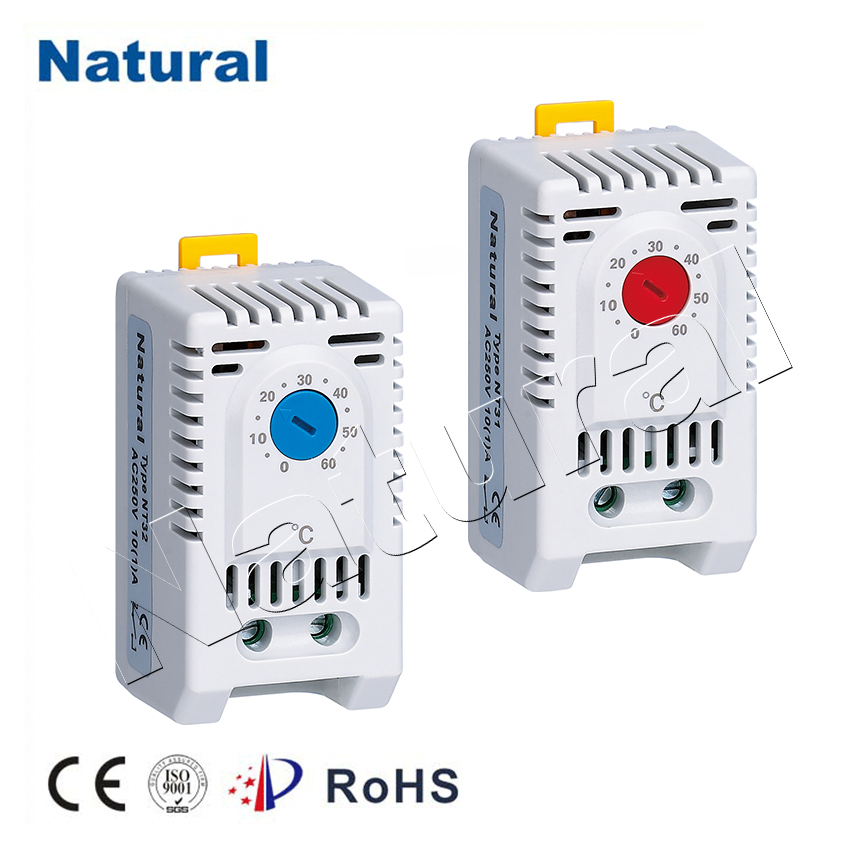
A thermostat plays a critical role in managing temperature in a variety of systems, from home heating and cooling units to industrial machinery. Among the many types of thermostats available in the market, the DIN thermostat stands out due to its versatility, reliability, and wide range of applications. Whether it’s for regulating temperature in heating, ventilation, and air conditioning (HVAC) systems, or for controlling temperature in manufacturing processes, the DIN thermostat has proven to be an indispensable tool in maintaining optimal conditions. In this article, we will explore what a DIN thermostat is, how it works, and the benefits it brings to various industries.
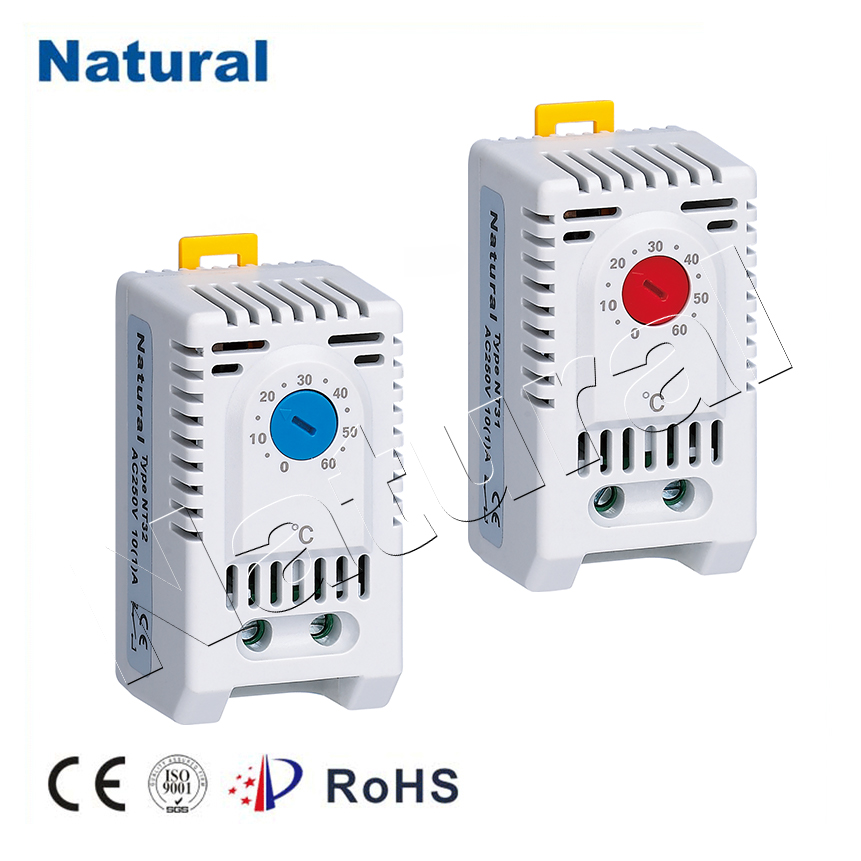
What is a DIN Thermostat?
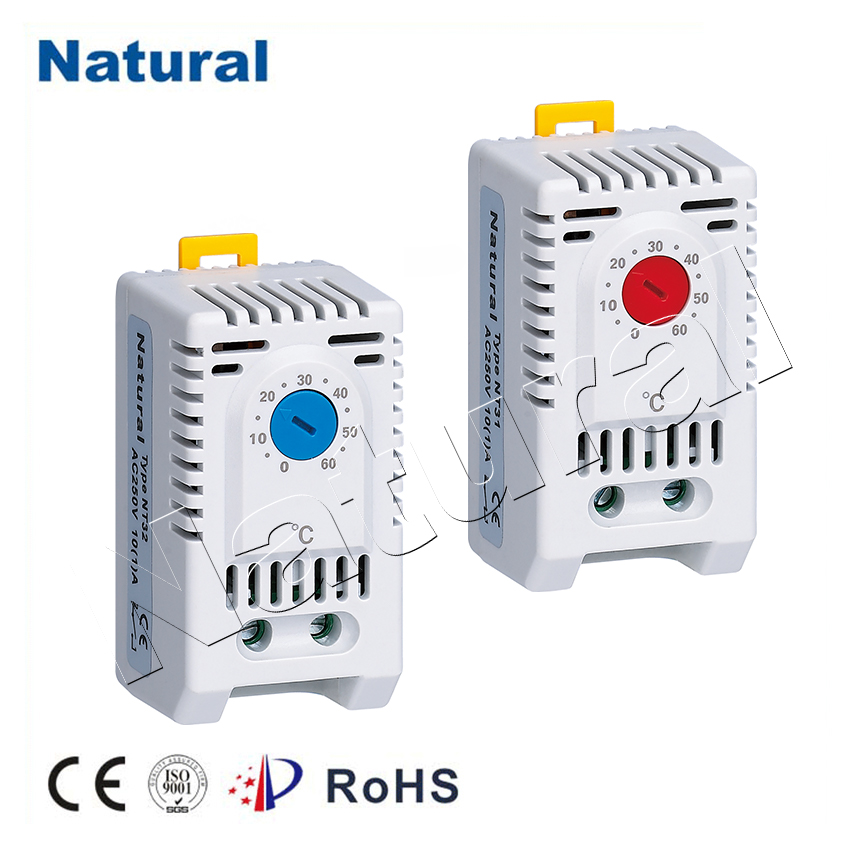
A DIN thermostat is a type of temperature control device designed to fit into a DIN rail, a standardized metal rail used for mounting electrical devices in control cabinets or industrial environments. The term “DIN” stands for “Deutsches Institut für Normung,” which refers to the German Institute for Standardization. This standardized rail mounting system ensures that electrical components, such as thermostats, are easily installable and removable, making them ideal for use in industrial automation and control systems. The DIN thermostat operates by detecting changes in temperature and responding by either turning on or off an electrical circuit. In essence, it works as a switch that opens or closes based on the temperature of the surrounding environment. This action helps regulate the operation of machines, heating systems, and cooling units to maintain a desired temperature range.