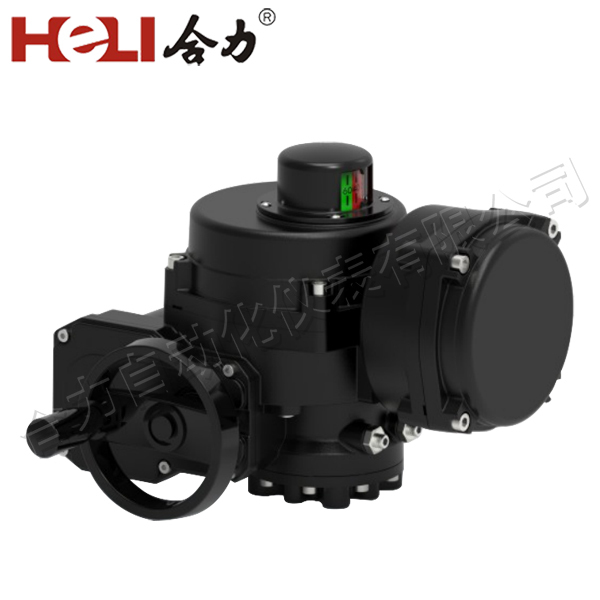
Lithium battery electric actuators are emerging as a transformative solution across various industries, offering an innovative and energy-efficient alternative to traditional actuators. By combining the power of lithium battery technology with the precision and reliability of electric actuators, these systems are revolutionizing applications in automation, robotics, and energy management. In this article, we will explore the working principles, benefits, and applications of lithium battery electric actuators, as well as the future potential they hold for various sectors.
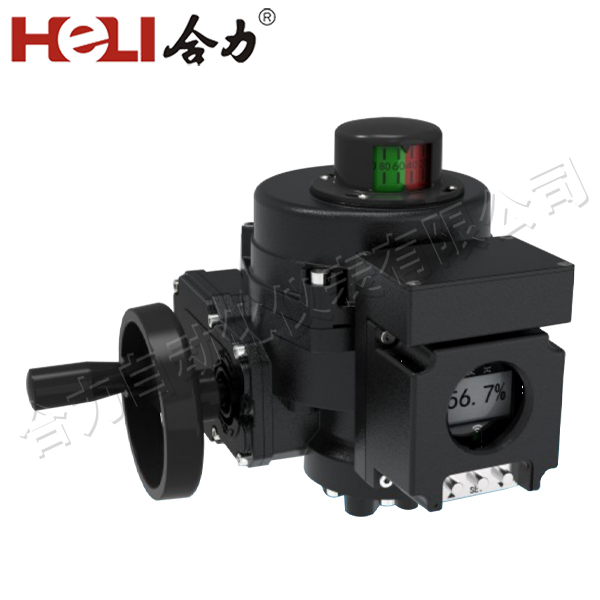
What is a Lithium Battery Electric Actuator?
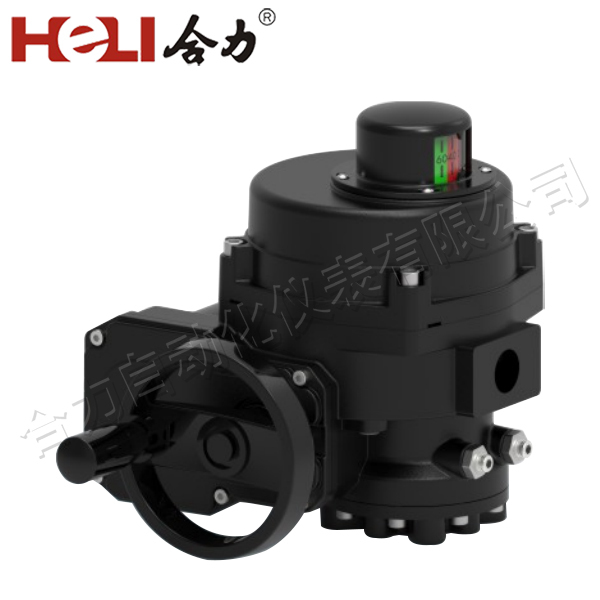
An actuator is a device that converts energy (often electrical or pneumatic) into mechanical motion, which can be used to control machinery or other devices. In an electric actuator, electrical energy is transformed into precise, controlled movement through the use of electric motors and mechanical components like gears and shafts. The integration of lithium battery technology into these actuators allows them to operate independently without needing a direct power connection to the grid or an external source of electricity. Lithium batteries are known for their high energy density, light weight, and long cycle life. By using lithium batteries as the power source for electric actuators, these systems can offer more mobility, flexibility, and efficiency in comparison to traditional actuators that rely on wired power or hydraulic systems.