In recent years, the demand for lithium-ion batteries has skyrocketed, driven by their widespread use in everything from portable electronics to electric vehicles (EVs). As the capacity and performance of these batteries improve, so too does the necessity for advanced safety mechanisms to ensure they operate efficiently and without risk of failure. One crucial component that plays a vital role in the safety of lithium-ion batteries is the Stainless Steel Lithium Battery Valve. This valve, a key feature in energy storage systems, provides a layer of protection against dangerous situations such as overpressure, leakage, and thermal runaway.
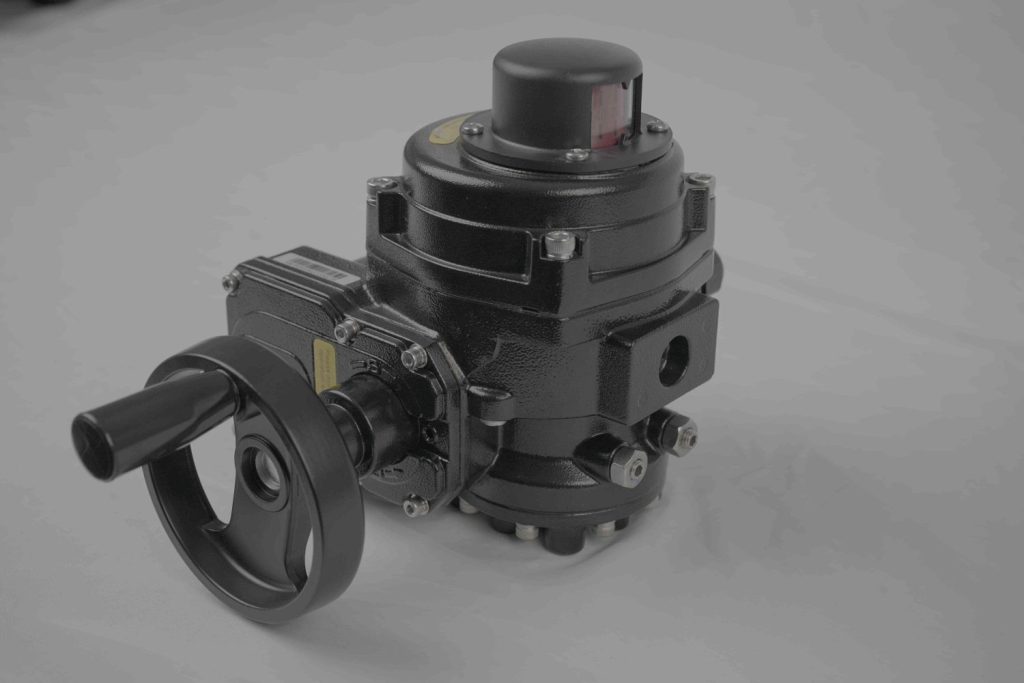
Understanding the Role of a Valve in Lithium Batteries Lithium-ion batteries, while highly efficient, pose a risk of failure under certain conditions. Overcharging, short-circuiting, or exposure to excessive temperatures can cause the internal pressure within the battery to rise dramatically, creating a risk of rupture or explosion. To prevent such catastrophic events, manufacturers incorporate safety valves into the design of lithium batteries. These valves are specifically engineered to release pressure in a controlled manner, preventing the battery from sustaining any damage or causing harm to its environment.