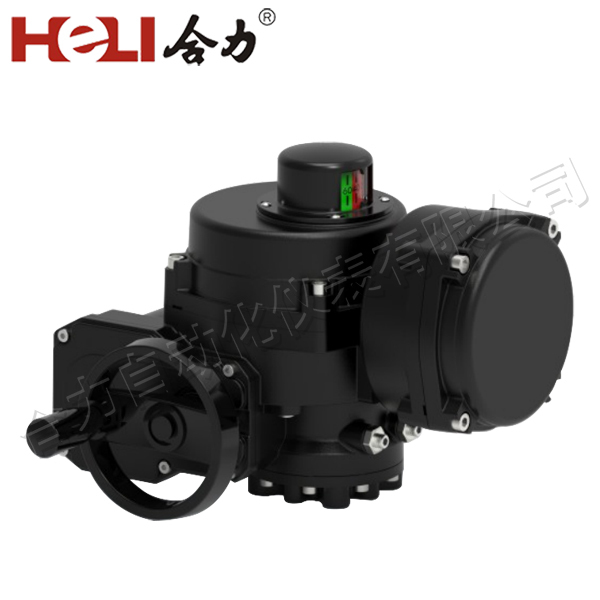
As the world continues to explore more sustainable and efficient energy sources, hydrogen energy has emerged as a promising alternative to conventional fossil fuels. One of the key innovations in this realm is the development of hydrogen energy electric actuators, which are becoming increasingly important in various industries, from automotive to robotics. These actuators not only leverage the clean energy potential of hydrogen but also bring substantial benefits to systems that require precise control, high power density, and environmentally friendly operation. This article delves into the role of hydrogen energy electric actuators, their technology, applications, and the potential they hold for a greener future.
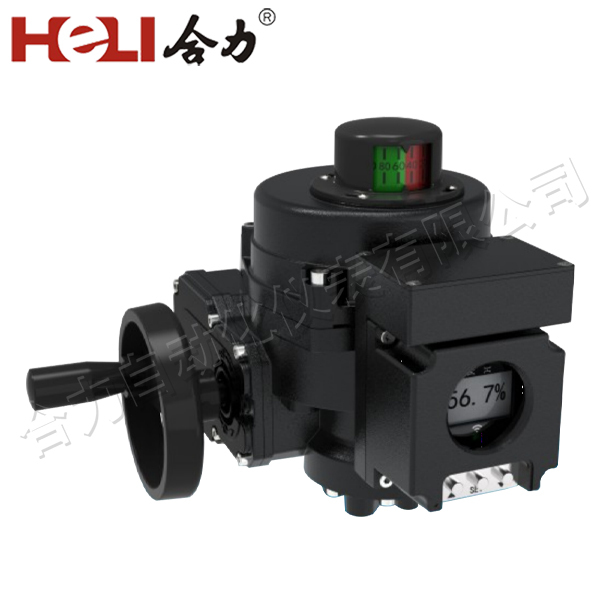
Understanding Hydrogen Energy Electric Actuators
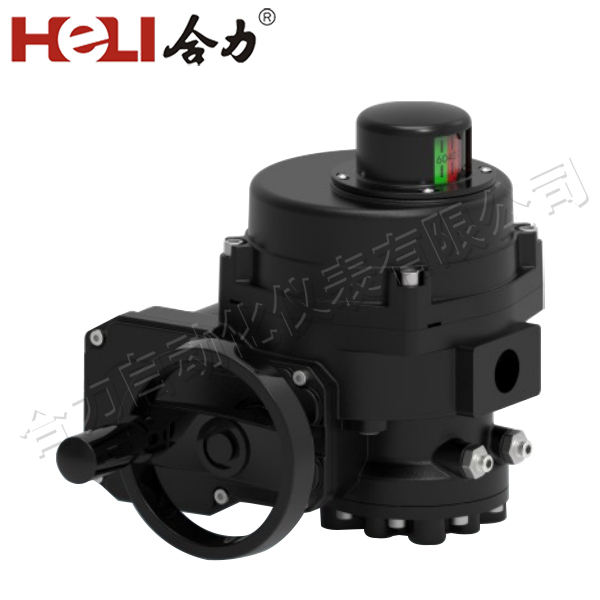
Hydrogen energy electric actuators are mechanical devices that convert hydrogen energy into motion, usually through an electrochemical reaction within a fuel cell or a similar system. They use hydrogen as their primary energy source, which is stored in a tank and then processed through an electrochemical reaction to produce electricity. The electricity generated is used to power electric motors or similar actuators that perform mechanical tasks such as opening valves, moving robotic arms, or adjusting various components in machinery. Unlike traditional actuators that rely on electrical energy sourced from the grid or combustion engines, hydrogen energy actuators offer a cleaner, more sustainable alternative. By harnessing the energy of hydrogen, these actuators eliminate harmful emissions, making them an ideal choice for industries looking to reduce their carbon footprint and operate in a more environmentally conscious manner.