In the realm of electrical engineering and industrial automation, the protection of electric motors and equipment is paramount to ensuring operational efficiency and preventing costly downtime. One of the most vital components in safeguarding these machines is the overload relay. This device plays a critical role in monitoring and controlling the electrical current that powers motors and other heavy machinery, thereby protecting them from damage caused by excessive current flow.
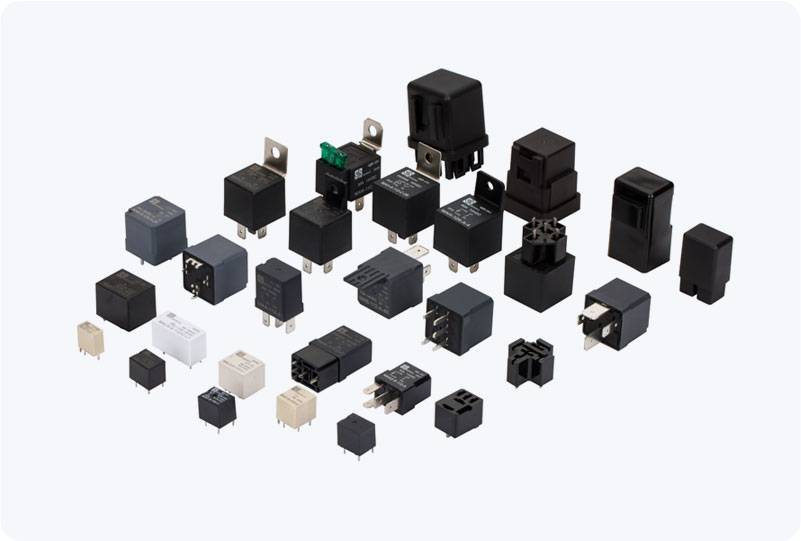
What is an Overload Relay? An overload relay is a protection device designed to prevent electric motors from overheating due to extended overcurrent conditions. Typically integrated into motor control panels, these relays monitor the current flowing through the motor and will interrupt the power supply if the current exceeds a predetermined threshold for a specific duration. The mechanism behind the overload relay can vary, with the most common types being thermal relays and electronic relays. Working Principle The basic operation of an overload relay involves sensing the current flowing through the motor circuit. In thermal overload relays, this is typically achieved through the heating of a bimetallic strip. When the current exceeds the rated capacity, the heat generated causes the strip to bend, eventually opening the circuit and stopping the motor. In contrast, electronic overload relays use sensors and microprocessors to monitor and analyze the current in real time, providing more precise control and faster responses to overload conditions.