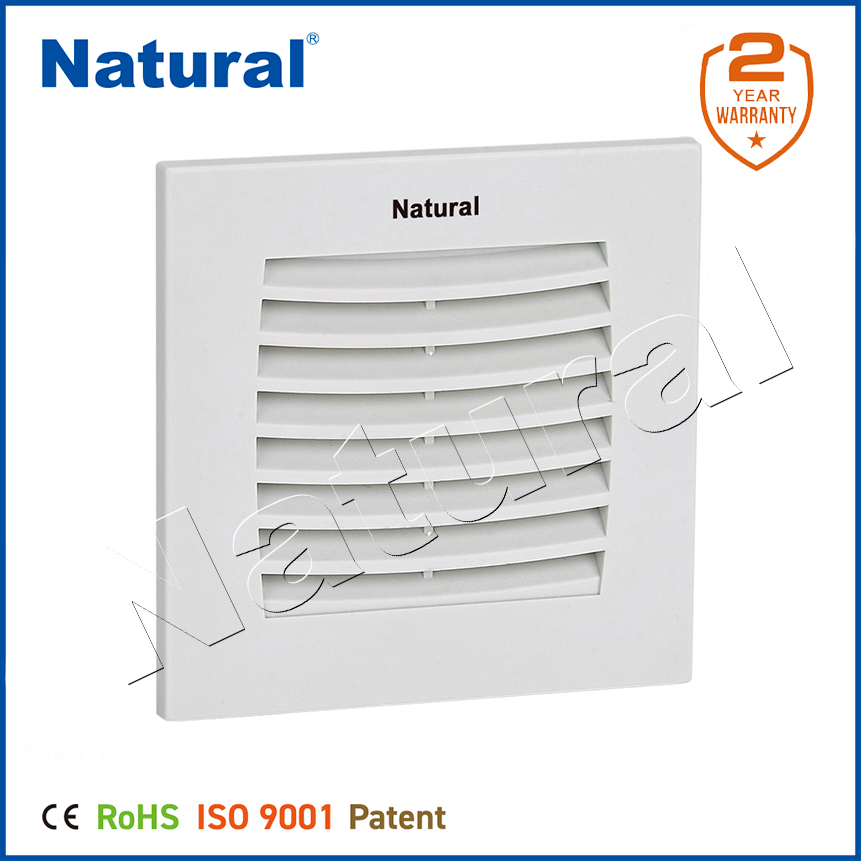
In today’s rapidly advancing world, proper ventilation is essential in various settings, from industrial complexes to residential homes. One critical component of an effective ventilation system is the fan filter exhaust, a system designed to enhance air quality, ensure safety, and improve overall operational efficiency. This article explores the significance, functionality, and benefits of fan filter exhaust systems, emphasizing their role in creating healthier indoor environments.
Understanding Fan Filter Exhaust Systems
A fan filter exhaust system typically comprises a fan, filter, and exhaust components that work together to maintain optimal air quality. The fan is responsible for drawing in air from the environment, while the filter captures dust, pollutants, and other airborne contaminants. The exhaust component then expels the filtered air outside, ensuring that only clean, safe air circulates within the indoor environment. This combination is crucial in various applications, including laboratories, manufacturing plants, kitchens, and even home ventilation systems. Enhancing Air Quality One of the primary functions of a fan filter exhaust system is to improve indoor air quality. Indoor air can often be more polluted than outdoor air due to the accumulation of dust, allergens, and volatile organic compounds (VOCs) from furniture, cleaning agents, and other household items. By employing a fan filter exhaust system, these contaminants are effectively removed from the air, providing a healthier atmosphere for occupants.