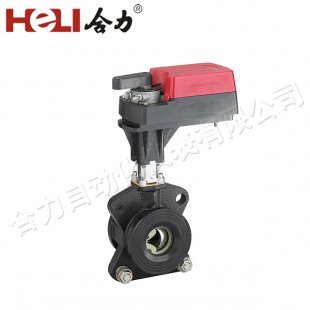
As the world pivots towards sustainable energy sources, the need for innovative solutions in various industries grows. One such breakthrough is the development of the Hydrogen Energy Damper Actuator—a vital technology that blends the promising future of hydrogen energy with mechanical damping systems. This actuator, which integrates hydrogen fuel cell technology into damping mechanisms, is becoming an essential component in modern engineering, from automotive to industrial applications. In this article, we will explore the working principles, benefits, and potential applications of hydrogen energy damper actuators, as well as their role in shaping a greener, more efficient future.
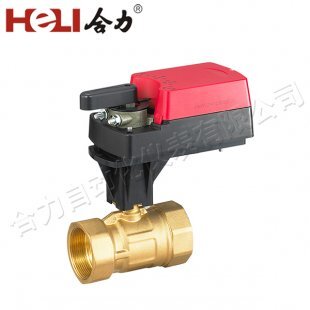
What Is a Hydrogen Energy Damper Actuator?
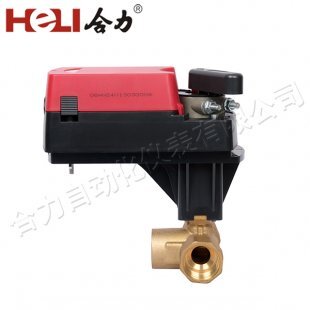
A damper actuator is a device that controls or adjusts the motion of mechanical systems by dissipating energy. Dampers are commonly used in various applications, such as automotive suspension systems, building structures, and machinery, to minimize vibration and oscillations, ensuring stability and safety. These actuators are typically powered by electrical motors or hydraulic systems. However, the hydrogen energy damper actuator introduces an innovative approach by using hydrogen fuel cells to generate power, offering a more sustainable alternative to traditional power sources. A hydrogen energy damper actuator combines the functionalities of a fuel cell with the physical properties of a damper. It consists of a hydrogen storage system, a fuel cell for energy conversion, and a mechanical damping mechanism. When the actuator is in operation, hydrogen gas stored in the system reacts with oxygen in the fuel cell to produce electricity, which powers the damper mechanism. The resulting motion reduces vibrations and enhances performance while simultaneously reducing the environmental impact of traditional power sources.