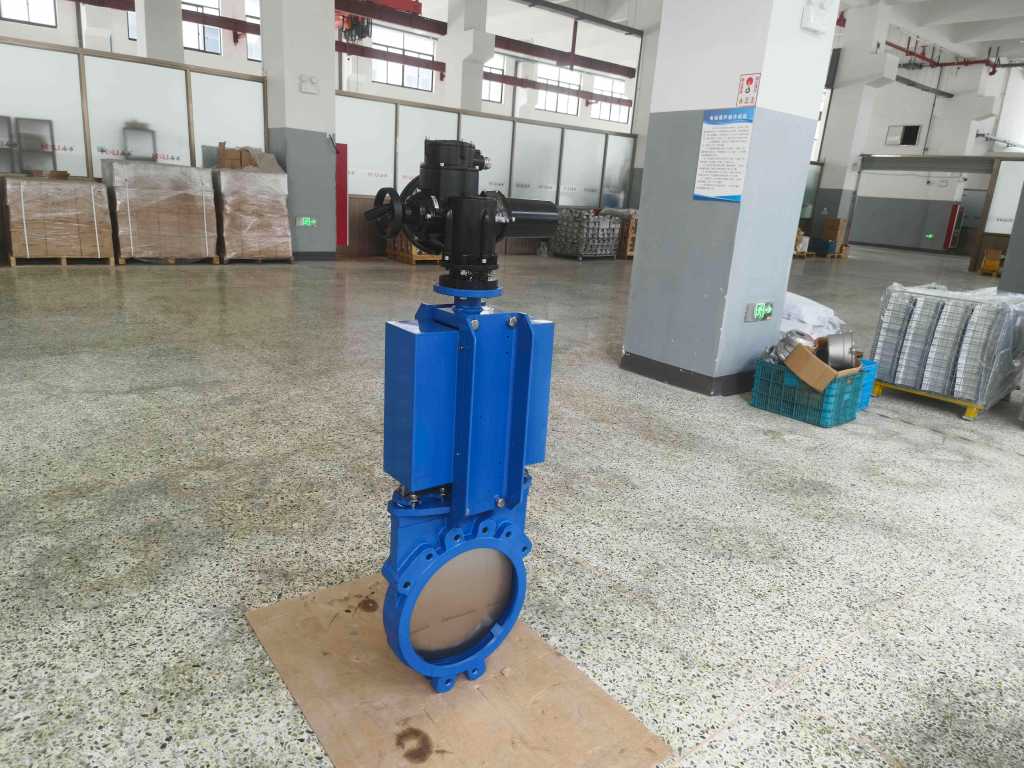
The Electric Flat Gate Valve is an essential component in many industrial applications, designed to control the flow of fluids through pipelines efficiently and reliably. This sophisticated valve combines a flat gate design with an electric actuator, enabling precise control over the opening and closing process. In this article, we will delve into the structure, working principle, applications, benefits, and maintenance of Electric Flat Gate Valves, providing a comprehensive understanding of their role in engineering and industrial processes.
Structure and Working Principle
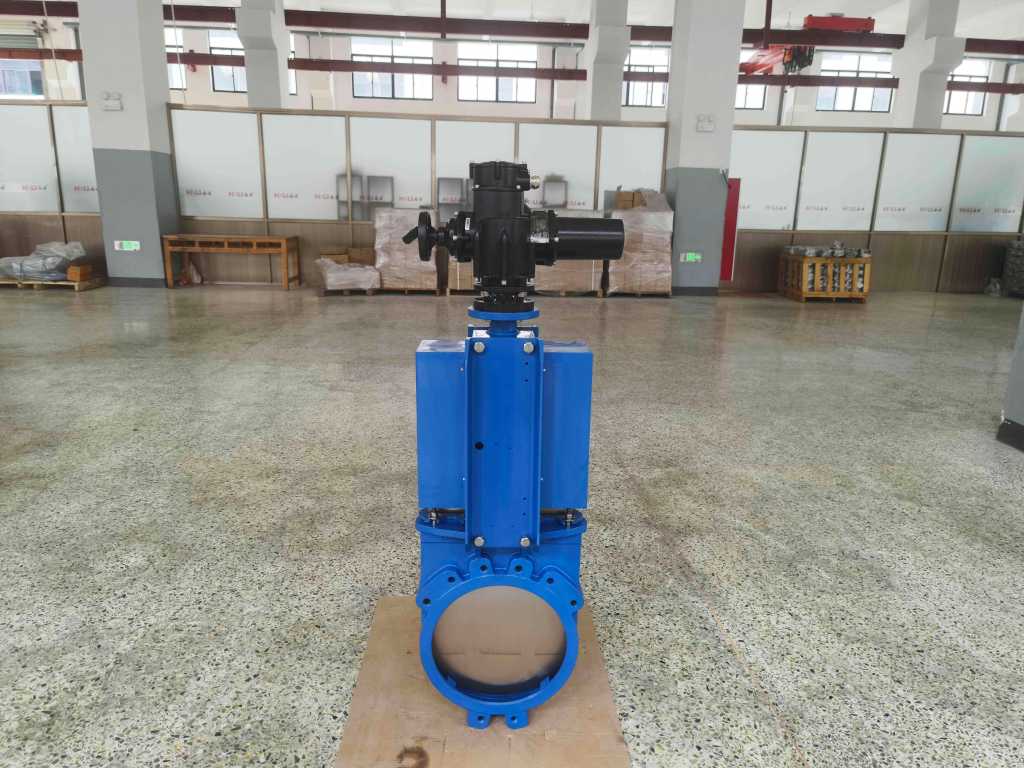
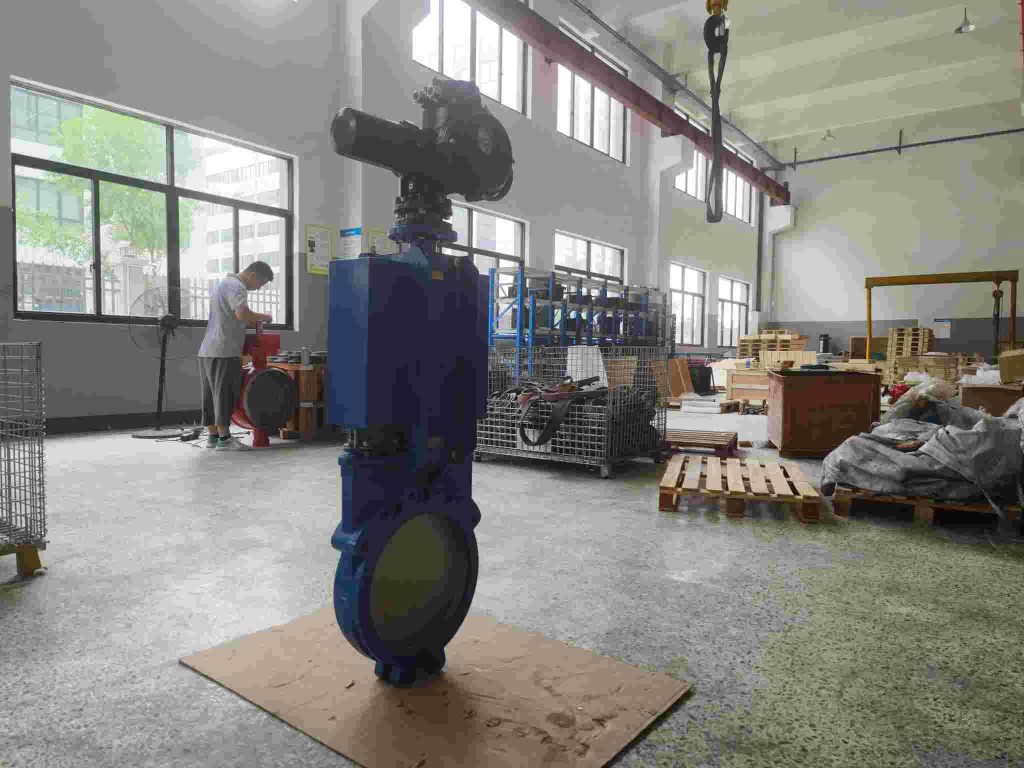
The Electric Flat Gate Valve primarily consists of the following components: valve body, gate (or shutter), stem (or rod), and electric actuator. The unique feature of this valve design is the flat-shaped gate that slides vertically to open or close the valve, allowing fluid to pass through or preventing its flow. Operation: When an operator sends an electric signal to the actuator, it activates the motor, which in turn moves the stem connected to the gate. Depending on the direction of movement, the gate is either raised to allow fluid to flow or lowered to seal the valve. This mechanism provides quick and efficient control of the fluid passage, making the Electric Flat Gate Valve suitable for various media, including liquids, gases, and even slurries.