A Latching Relay is a versatile and energy-efficient electrical component used to control the flow of electricity in various systems. Unlike traditional relays, which require continuous power to maintain a state, a Latching Relay retains its position without constant power input. This unique feature makes it particularly valuable in applications where energy conservation is crucial, or where devices need to hold their state without additional power sources. In this article, we’ll explore the concept of Latching Relays, their working principle, advantages, and common uses in modern electrical systems.
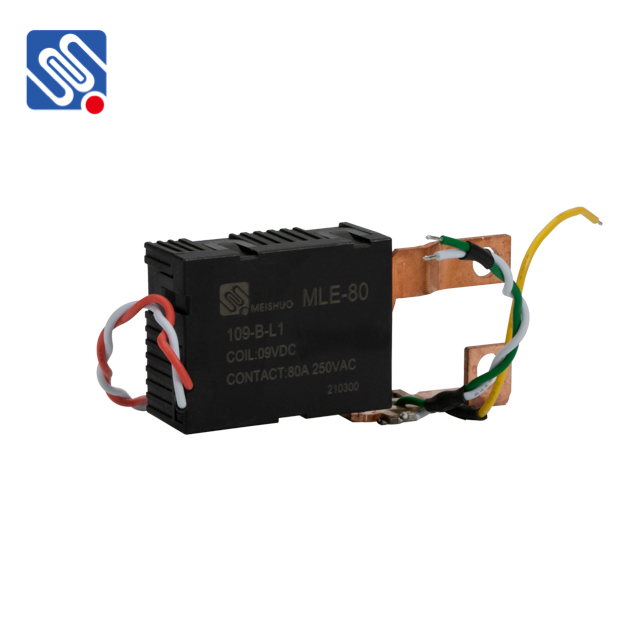
What is a Latching Relay? A Latching Relay is a type of electromagnetic relay that holds its contact position after being actuated, even when the power supply to the relay is interrupted. It is a bistable device, meaning it has two stable states: one in which the relay is “on” (closed) and one in which it is “off” (open). This is achieved using a mechanical or electronic locking mechanism that “latches” the relay into its current state until an external control signal instructs it to change. This unique property of latching relays—being able to maintain a state without continuous power—is what distinguishes them from regular relays. Traditional relays require power to stay energized and to maintain their position, whereas latching relays only require power momentarily to switch between states.