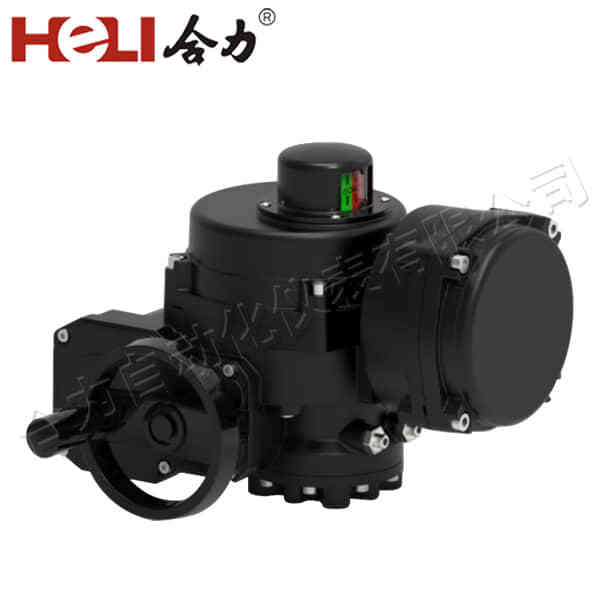
Electric actuators for valves have become a cornerstone technology in modern fluid control systems. These devices provide precise, reliable, and energy-efficient control over the flow of liquids, gases, and other media in industrial, commercial, and residential applications. By converting electrical energy into mechanical motion, electric actuators automate valve operations, reducing the need for manual intervention and improving overall system efficiency. This article explores the benefits, working principles, types, and applications of electric actuators for valves, highlighting their importance in various industries.
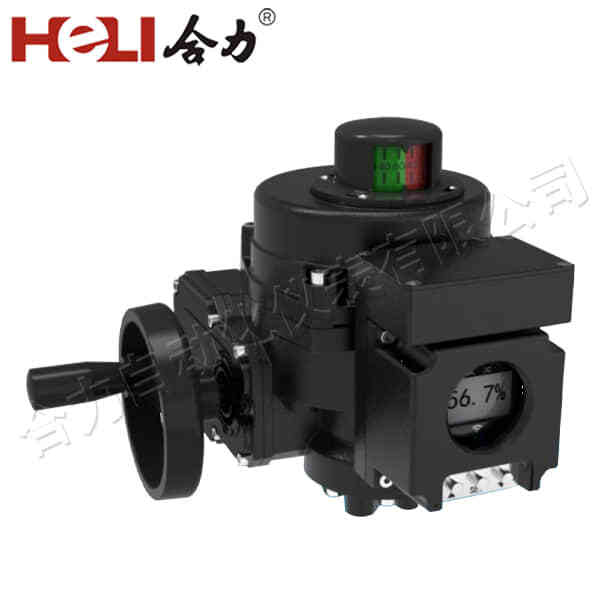
The Working Principle of Electric Actuators
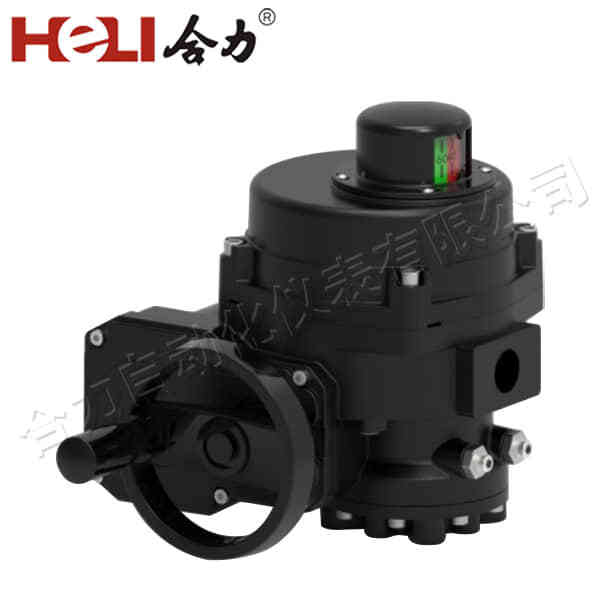
An electric actuator for valves operates by using an electric motor to generate rotational or linear motion, which then adjusts the valve’s position. The electric motor is typically powered by an AC or DC power source and is connected to a gearbox that reduces speed and increases torque. This motion is transferred to the valve through a mechanical linkage or a direct drive, moving the valve to the desired open or closed position. Most electric actuators also include feedback devices, such as encoders or position sensors, which provide real-time data on the valve’s position. This feedback ensures that the actuator adjusts the valve accurately and consistently, maintaining the desired flow rate and pressure in the system. Modern electric actuators are also equipped with control circuits and communication protocols, allowing for integration with larger control systems for automated process control.