In today’s industrial landscape, safety is a paramount concern. As businesses increasingly rely on automated systems for efficiency, the need for robust safety measures becomes more critical. One of the essential components in achieving safety in these environments is the Safety Isolated Relay. This article explores the role of Safety Isolated Relays, their working principles, features, applications, and considerations for selection.
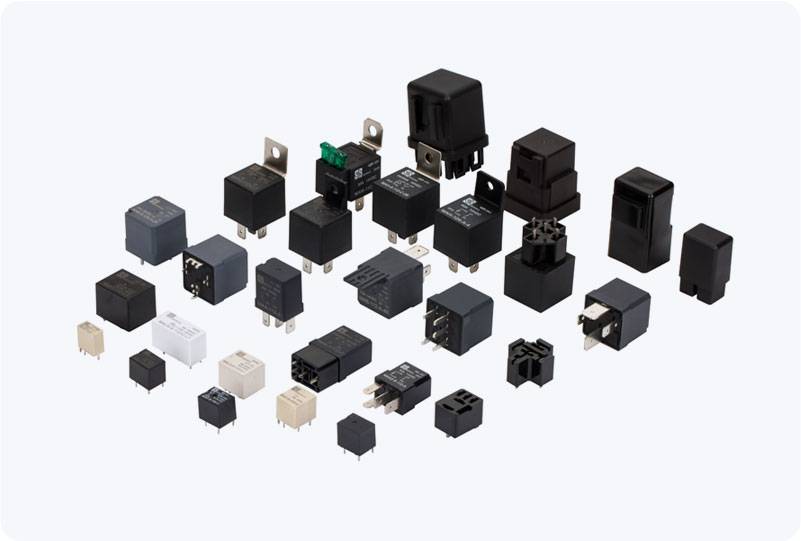
What is a Safety Isolated Relay? A Safety Isolated Relay (SIR) is a specialized relay designed to provide electrical isolation and enhance operational safety in various applications. Unlike standard relays, safety isolated relays are constructed to meet stringent safety requirements, which makes them ideal for safety-critical applications where failure can lead to hazardous situations. Working Principles The primary function of a Safety Isolated Relay is to provide electrical insulation between its input and output circuits. This is achieved using various techniques, such as optical isolation or transformer isolation. The design ensures that even in the event of a fault, electrical energy does not travel back into the control circuitry. This can protect both personnel and equipment from potential electrical hazards.