In the realm of electrical engineering and automation, the importance of reliable and effective control systems cannot be overstated. One of the crucial components in these systems is the High-Power Relay, specifically designed to handle substantial voltage and current loads. This article delves into the essential features, functions, and applications of high-power relays, highlighting their indispensable role in various industries.
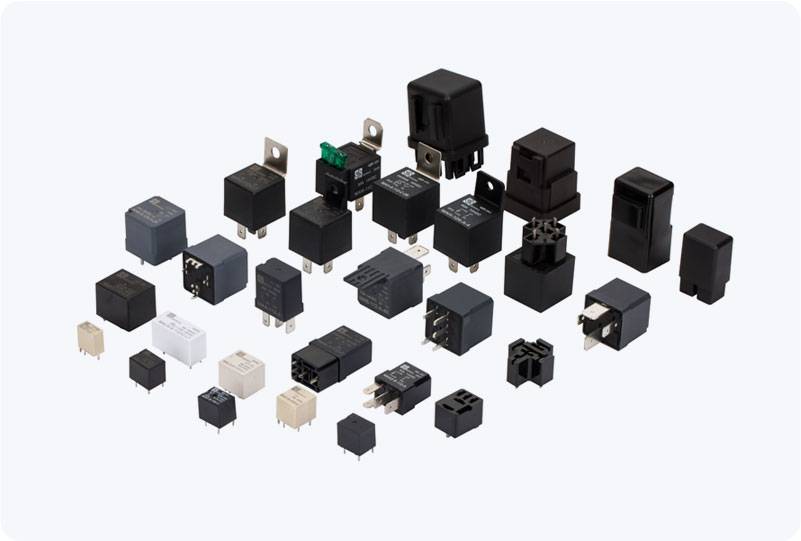
What is a High-Power Relay? A High-Power Relay is an electromechanical device that is capable of switching large electrical loads on and off. Typically used when the demand exceeds the limits of conventional relays, high-power relays serve as intermediaries for controlling high voltage and current circuits with a low-power control signal. This feature makes them essential in applications where safety and efficiency are paramount. Key Features Mechanical and Electrical Ratings: High-power relays are rated for specific voltage and current levels, ensuring they can handle the demands of a given application. These ratings define the relay’s upper limits of safe operation, typically expressed in volts and amps. A thorough understanding of these ratings is crucial for selecting the appropriate relay for any given task.