The 30A Power Relay is an essential component in modern electrical and electronic systems. It enables the control of high-power devices using low-power signals, making it invaluable in various applications, including automotive, industrial, and household appliances. Understanding the features and applications of a 30A Power Relay can help in optimizing its usage and ensuring reliable operation in different environments.
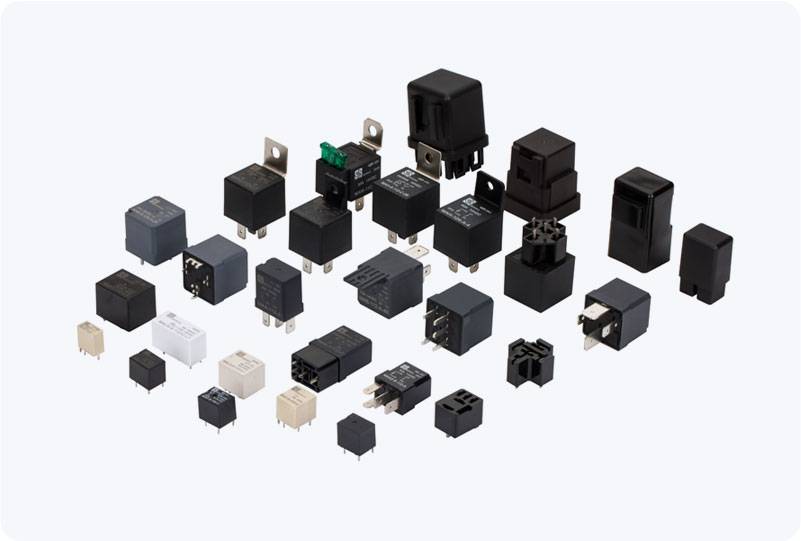
What is a 30A Power Relay? A relay is an electrically operated switch that allows a low-power circuit to control a higher power circuit. The term “30A” refers to the maximum current rating that this relay can handle, which is 30 amperes. This rating makes it suitable for controlling devices that require significant power, such as motors, heating elements, and high-wattage lights. The relay consists of a coil, which, when energized, creates a magnetic field that actuates one or more contacts to either open or close the circuit. Key Features High Current Rating: The primary feature of a 30A relay is its ability to handle up to 30A of current, making it ideal for applications where substantial power is involved. It can efficiently control devices without risk of damage.