The automotive industry has undergone significant changes over the years, especially with the increased reliance on electronic systems for safety and performance. As vehicles become more advanced, ensuring the safety and reliability of every component, including relays, is paramount. Among the many standards that govern safety in electronic systems, IEC 61508 stands out as a pivotal guideline for ensuring functional safety. This article will explore the significance of IEC 61508 compliant automotive relays, their design, and their role in enhancing vehicular safety.
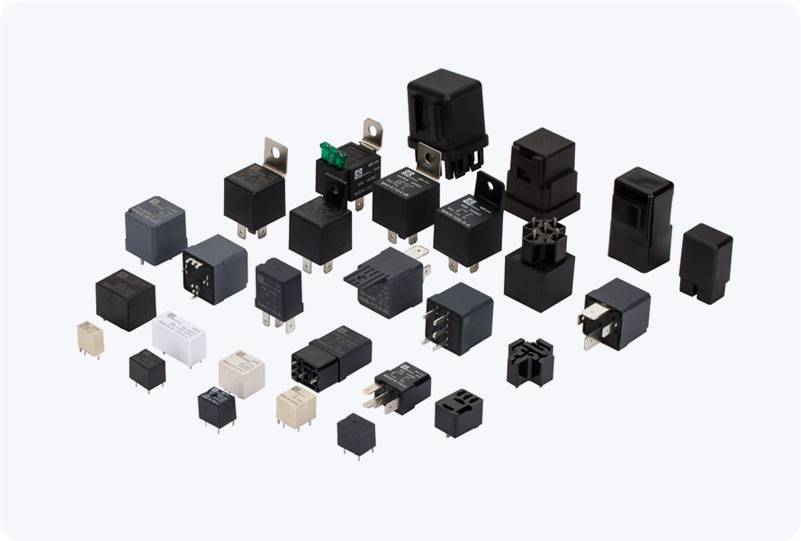
What is IEC 61508? IEC 61508 is an international standard that outlines requirements for the functional safety of electrical, electronic, and programmable electronic systems. It provides a comprehensive framework for the design, implementation, and maintenance of safety-related systems across various industries, including automotive. The standard specifies a safety lifecycle, encompassing stages such as concept, design, implementation, operation, and decommissioning, ensuring that safety is prioritized at every step. The Role of Automotive Relays Automotive relays are electromechanical switches that control high-power circuits with low-power signals. They are essential components in various applications, including lighting systems, engine control units, and safety-critical systems like brakes and steering. As automotive technology evolves, relays are increasingly integrated with complex electronic architectures, necessitating higher standards of reliability and safety.