In modern electrical systems, the demand for reliable control of high power loads is increasing across various industries. One of the key components that facilitate this control is the High Current Power Relay. These devices play a crucial role in switching large electrical currents, ensuring safe and efficient operation in diverse applications, from industrial machinery to automotive systems. This article will delve into the design, functioning, applications, and importance of High Current Power Relays, providing readers with a comprehensive understanding of this indispensable component.
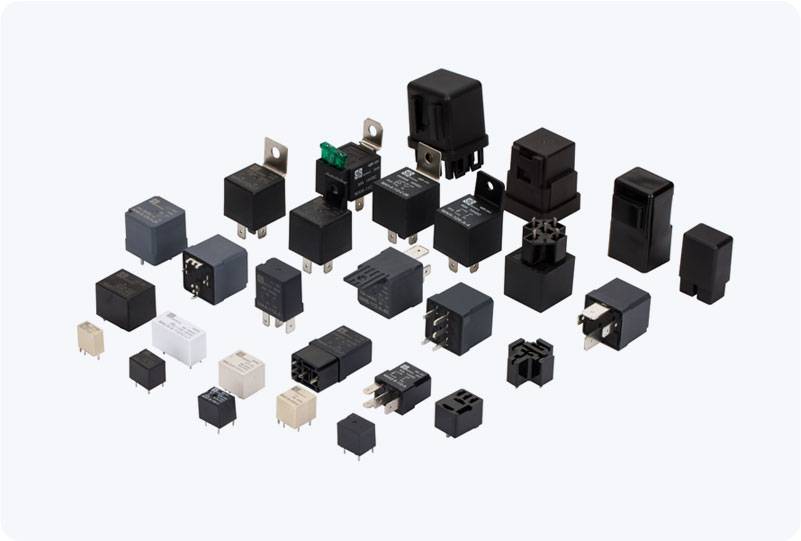
What is a High Current Power Relay? A High Current Power Relay is an electromechanical device designed to switch currents typically in the range of tens to hundreds of amperes. Their primary function is to control high-power circuits in a safe and efficient manner by utilizing electromagnetic principles. The relay consists of a coil, which, when energized, creates a magnetic field that opens or closes a set of contacts. These contacts make or break the circuit, allowing or interrupting the flow of electricity. Design Features High Current Power Relays exhibit several design features that enable them to handle substantial electrical loads. They often come equipped with heavy-duty contacts capable of withstanding high currents and voltages without overheating or becoming damaged. Additionally, they may employ robust materials, such as silver or gold alloys, for contact points to enhance conductivity and minimize wear.