In industrial settings, safety is paramount. Workers must operate machinery and equipment in a way that minimizes risk, particularly during maintenance and repair tasks. One essential safety protocol that addresses this concern is Lockout Tagout (LOTO). This procedure helps prevent the accidental release of hazardous energy, ensuring that employees can perform their tasks safely. A crucial aspect of LOTO is the equipment used in the process, commonly referred to as lockout tagout equipment. This article will explore the significance of LOTO, essential equipment, and best practices for implementation.
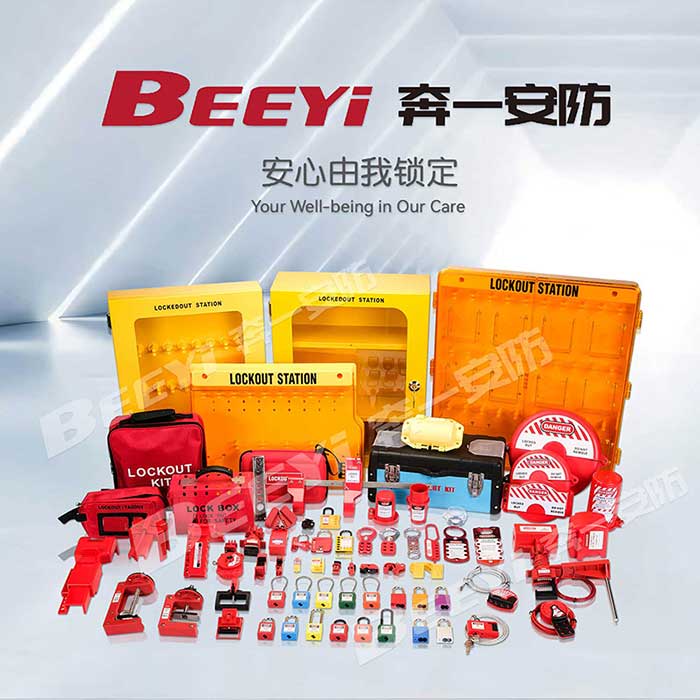
The Importance of Lockout Tagout Lockout Tagout is a safety procedure used to ensure that hazardous equipment is properly shut down and incapable of being started up again prior to the completion of maintenance or servicing work. It is designed to protect workers from the unexpected energization of machines or the release of residual energy. The Occupational Safety and Health Administration (OSHA) defines LOTO under its regulations, emphasizing its importance in preventing workplace injuries and fatalities. Accidents in the workplace can have severe consequences, not only affecting the safety and well-being of employees but also resulting in significant financial losses for companies. Hence, implementing LOTO procedures and using appropriate lockout tagout equipment is essential for any organization that relies on machinery or processes involving hazardous energy sources.