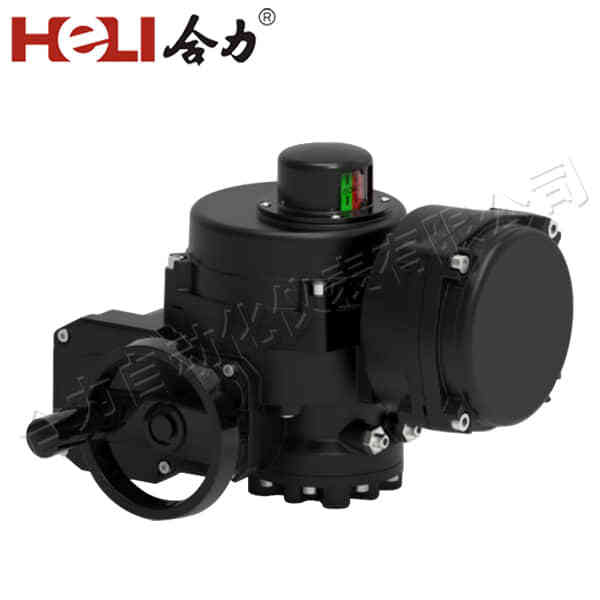
Electric actuator valves are essential components in modern industrial automation, providing an efficient and reliable solution for controlling fluid flow, pressure, and temperature in various processes. They combine the power of electric actuators with the precision of valve technology, creating a versatile system that enhances the efficiency and safety of operations in industries ranging from oil and gas to water treatment and HVAC. In this article, we explore the key features, benefits, and applications of electric actuator valves, as well as the factors to consider when choosing the right system for your needs.
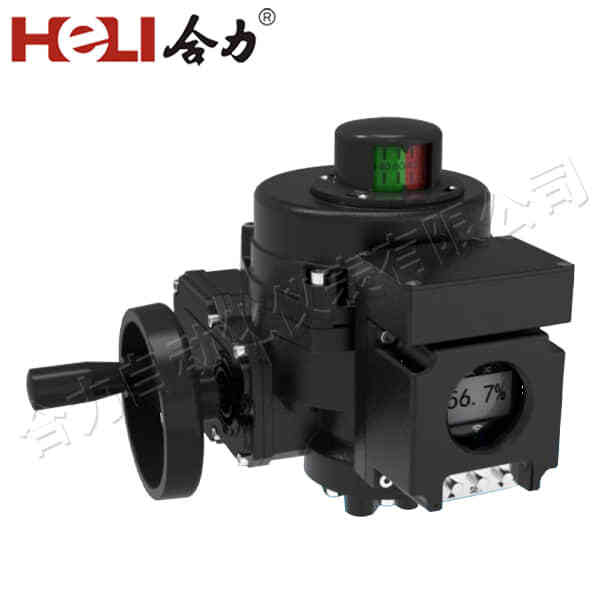
What is an Electric Actuator Valve?
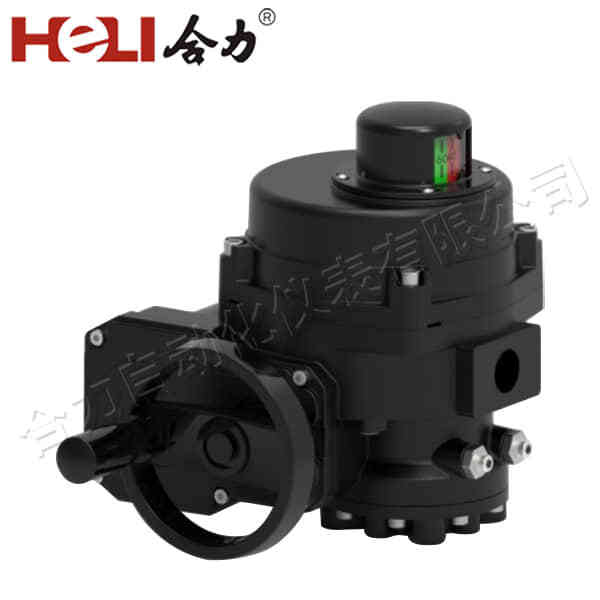
An electric actuator valve is a device that uses an electric actuator to operate a valve. The electric actuator receives an electrical signal from a control system, such as a programmable logic controller (PLC) or distributed control system (DCS), and converts this signal into mechanical motion that drives the valve open or closed, or modulates its position. This allows for precise control over the flow of liquids, gases, or other materials through a pipeline. Electric actuator valves are often used in systems where automatic control is needed for efficiency, safety, or process optimization. The actuator is typically powered by electricity, making it a more straightforward choice than other actuators that require pneumatic or hydraulic power.