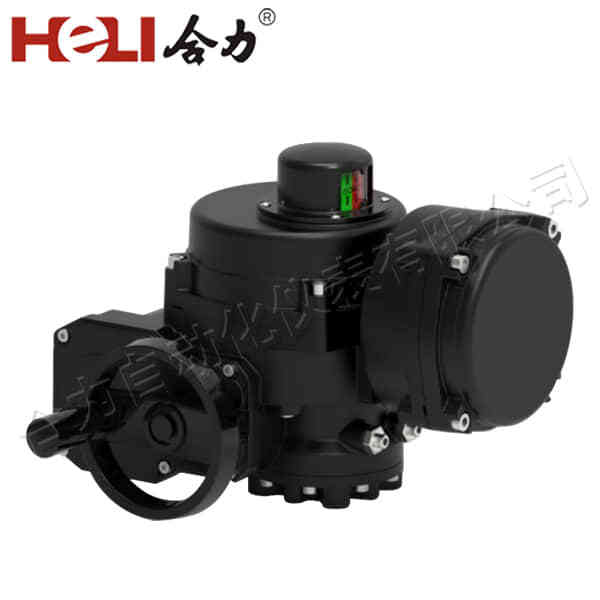
Electric actuator valves are a crucial component in modern industrial automation, offering precise control over fluid flow in a variety of applications. From chemical processing plants to HVAC systems, these valves combine an electric actuator with a valve to enable remote and automated regulation of flow. This article provides an in-depth look at electric actuator valves, their functionality, applications, and benefits.
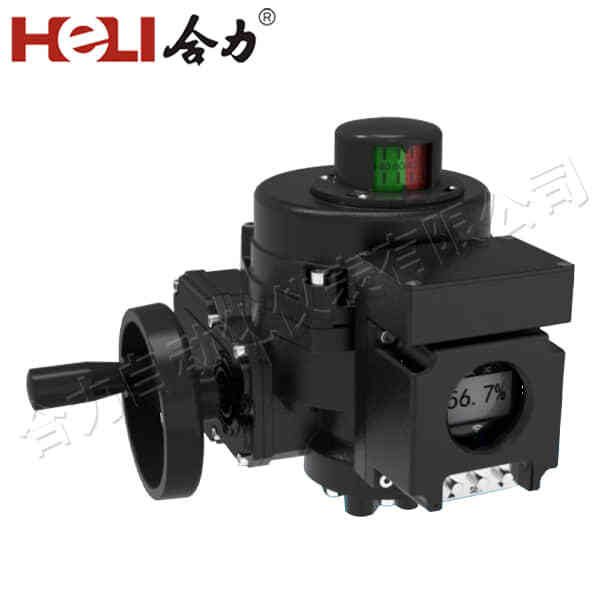
What is an Electric Actuator Valve?
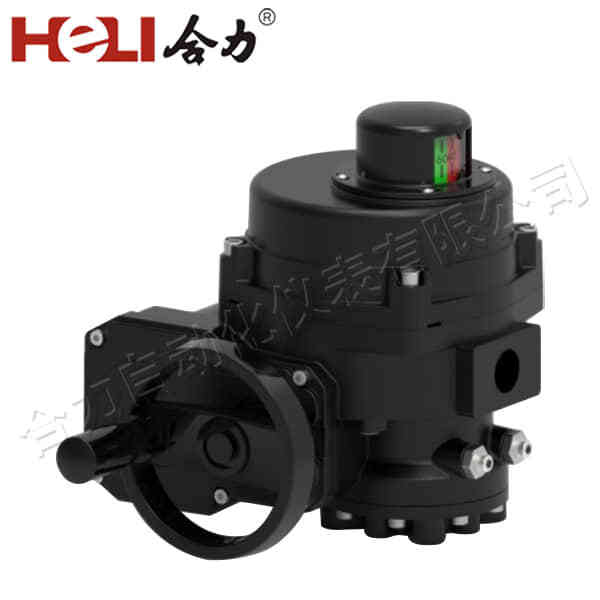
An electric actuator valve is a device that uses an electric motor to control the operation of a valve, which regulates the flow of fluids or gases in a pipeline. The electric actuator serves as the driving force for opening, closing, or adjusting the valve based on an external electrical signal. These valves are typically integrated into automated systems, where they can be controlled remotely or programmed to operate based on pre-set parameters. The combination of an electric actuator and a valve allows for the precise control of flow in a variety of systems. The actuator is powered by electricity, which is converted into mechanical movement, driving the valve mechanism. This movement can either be linear (e.g., for gate or globe valves) or rotary (e.g., for ball or butterfly valves), depending on the design and application.