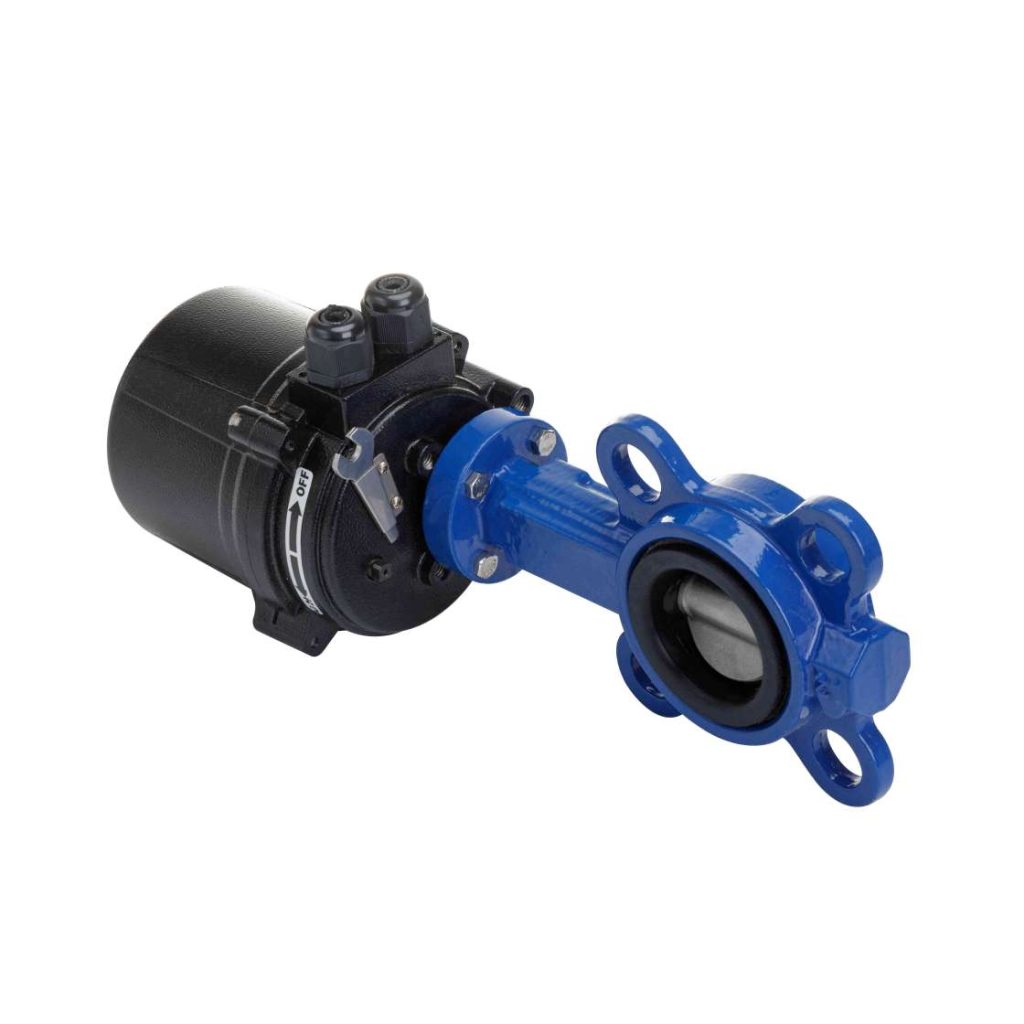
Agriculture has always been dependent on water, and with the growing challenges of climate change and water scarcity, efficient water management has become more crucial than ever. Irrigation systems play a central role in ensuring that crops receive adequate water, and in recent years, technological advancements have helped improve the effectiveness of these systems. One such advancement is the electric butterfly valve, which has gained prominence in agricultural irrigation for its ability to provide precise control over water flow, reduce energy consumption, and enhance overall system performance.
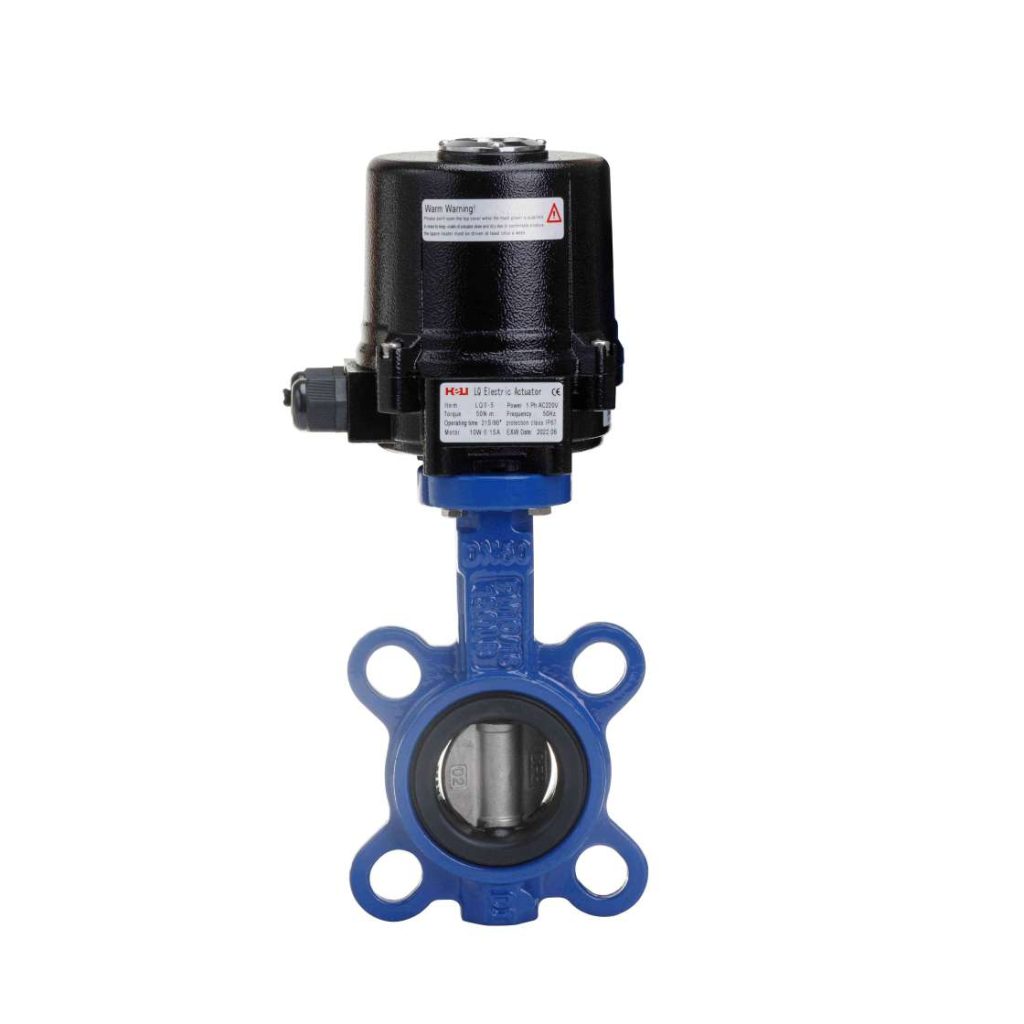
What is an Electric Butterfly Valve?
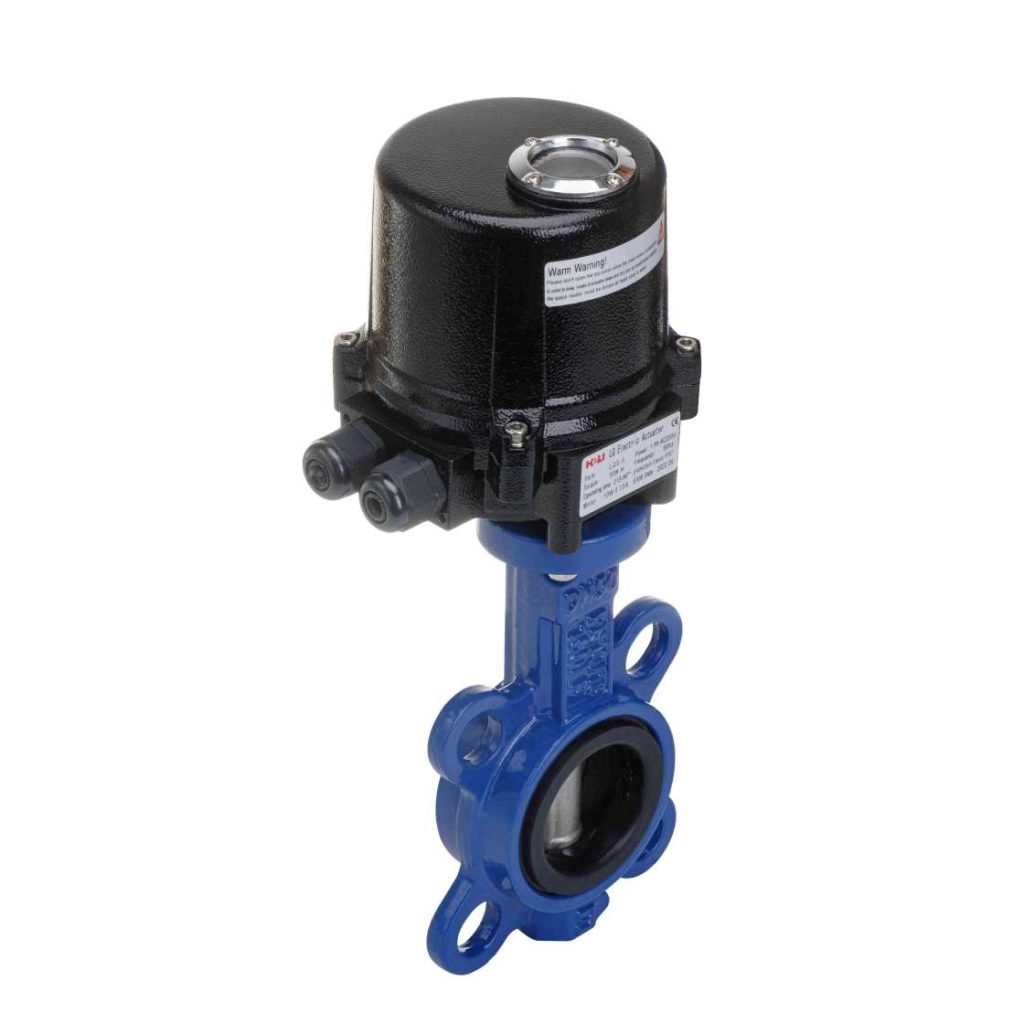
An electric butterfly valve is a type of flow control device used in irrigation systems. It consists of a circular disc that rotates to open or close a pipe to control the flow of water. Unlike traditional manual valves, an electric butterfly valve is operated through an electric motor, which allows for automated, remote-controlled operation. The valve’s design and function are simple but highly effective, making it an ideal choice for modern agricultural irrigation systems. Advantages of Electric Butterfly Valves in Agricultural Irrigation Precise Flow Control One of the most significant advantages of electric butterfly valves is their ability to provide precise flow control. In agricultural irrigation, maintaining the right amount of water is essential to prevent overwatering or underwatering crops. With electric butterfly valves, farmers can adjust the flow of water accurately to meet the needs of different crops and soil types, ensuring optimal growth conditions. Automated systems can also be programmed to open or close the valve at specific times, optimizing irrigation schedules for maximum efficiency.