Electric vehicles (EVs) are rapidly becoming a staple of the modern automotive industry, driven by the global push toward sustainability and reduced carbon emissions. Among the numerous innovations that have made EVs more efficient, reliable, and safe, one crucial component often goes unnoticed—the Electric Vehicle High Voltage Relay (EV-HV Relay). This small but mighty device plays a critical role in ensuring that high-voltage systems operate safely and efficiently, preventing dangerous electrical faults and enhancing the overall performance of EVs.
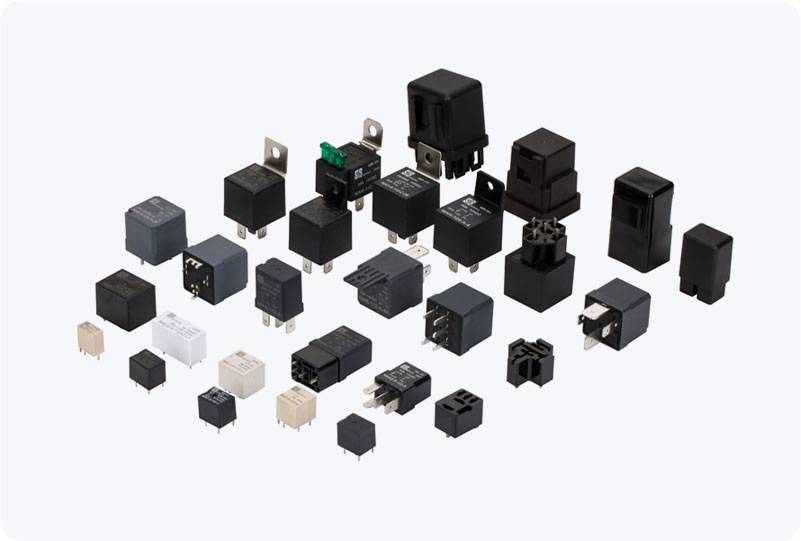
What is an Electric Vehicle High Voltage Relay? An Electric Vehicle High Voltage Relay is an electromechanical switch used to control the flow of high-voltage electricity within an electric vehicle. It is primarily responsible for managing the power that flows from the high-voltage battery to the electric motor and other vital components of the vehicle’s drivetrain. The relay is capable of opening and closing the high-voltage circuits depending on the operational needs of the vehicle. Key Functions of the EV High Voltage Relay Battery Isolation: One of the primary functions of the high voltage relay is to disconnect the battery from the powertrain and the rest of the high-voltage systems during charging or when the vehicle is powered off. This isolation protects the battery and other systems from potential electrical faults, such as overcurrent or short circuits. It also prevents any risk of electric shock to the vehicle’s occupants and maintenance personnel.