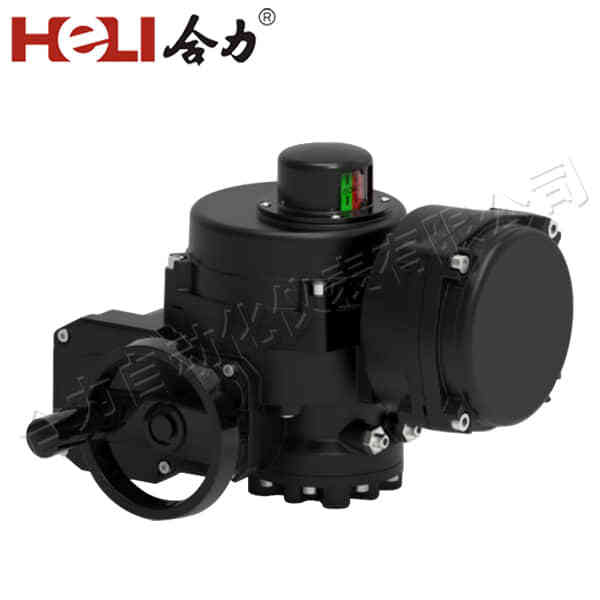
Electrical installation is a fundamental aspect of both residential and commercial infrastructure, ensuring that electricity is safely and efficiently distributed throughout buildings and facilities. It involves the process of planning, designing, and installing electrical systems, including wiring, outlets, switches, and appliances, to provide power while meeting safety standards and legal regulations. This guide covers the key aspects of electrical installation, emphasizing the importance of safety, system design, and proper execution.
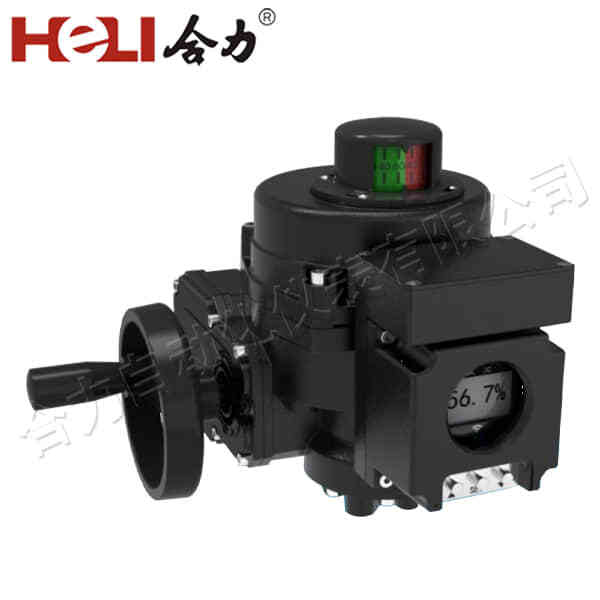
1. The Basics of Electrical Installation
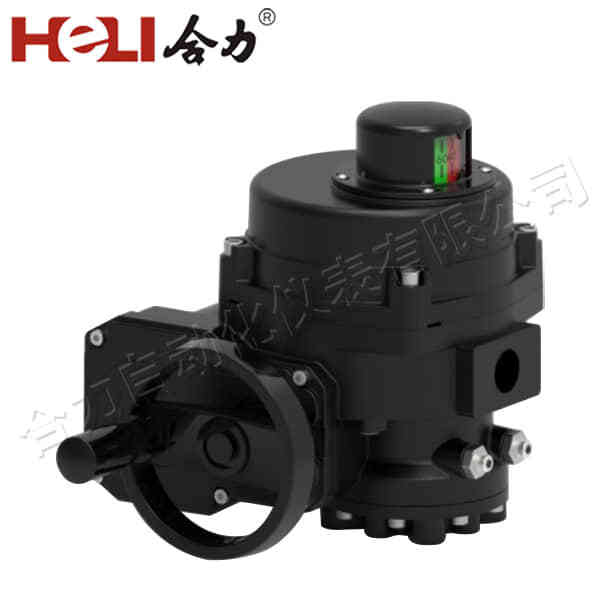
Electrical installation refers to the complete setup of electrical systems within a building or facility. It typically involves connecting power sources to the electrical grid and distributing it through a network of wires, switches, and outlets to power various devices and appliances. The installation process includes both low-voltage systems, such as lighting and small appliances, and high-voltage systems that supply power to industrial machinery. The core components of an electrical installation include: Power Source: This can be the main electrical grid, backup generators, or renewable energy sources like solar panels.