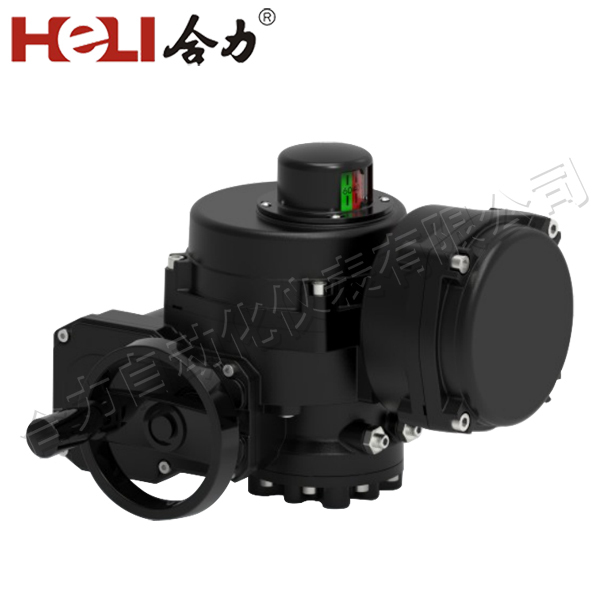
In recent years, the integration of advanced technologies in various fields has revolutionized the way we approach automation and control mechanisms. Among these innovations, lithium battery electric actuators have emerged as a compelling solution, offering a multitude of benefits that cater to the demands of modern applications. These innovative devices, which convert electrical energy into mechanical motion, have gained popularity in industries ranging from robotics to automotive engineering. This article delves into the key features, advantages, and applications of lithium battery electric actuators, showcasing their significance in today’s technological landscape.
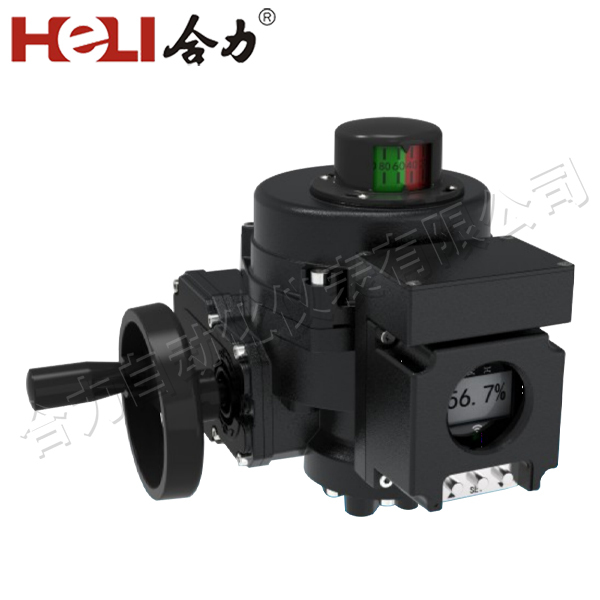
Understanding Lithium Battery Electric Actuators
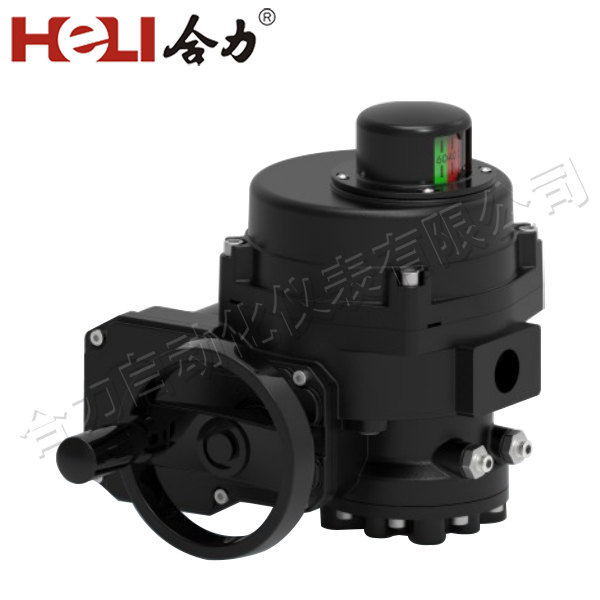
Lithium battery electric actuators utilize electric motors powered by lithium-ion batteries to generate motion. Unlike traditional actuators, which often rely on hydraulic or pneumatic systems, electric actuators present several distinct advantages. They are composed of a motor, a control system, and mechanical components that work in tandem to achieve precise movement. The incorporation of lithium batteries not only makes these actuators lightweight but also enhances their performance by providing a higher energy density compared to other battery types. Key Advantages One of the standout features of lithium battery electric actuators is their energy efficiency. Lithium-ion batteries can store more energy in a compact form, allowing for longer operational times between charges. This efficiency is particularly beneficial in remote or off-grid applications, where access to a constant power supply may be limited. As a result, industries can deploy electric actuators in scenarios that would have previously required cumbersome or less reliable power sources.