The Dual Relay Module is a highly versatile and practical component in modern electronics and automation systems. It allows users to control two different devices or circuits simultaneously using low voltage signals, typically from microcontrollers like Arduino or Raspberry Pi. This article delves into the functionality, applications, and benefits of the Dual Relay Module, highlighting its importance in various fields, including home automation, robotics, and electrical testing.
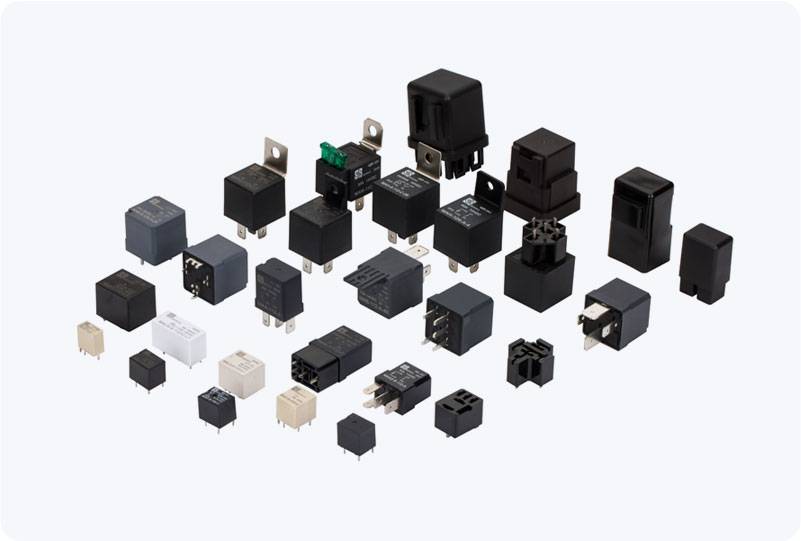
What is a Dual Relay Module? At its core, the Dual Relay Module contains two separate relays, each capable of switching high-voltage loads on and off, typically in the range of 110V to 220V AC or 24V DC. The module allows the control of these high-voltage devices with a low-voltage signal, such as the 5V or 3.3V output from microcontrollers. The module operates by isolating the low-voltage circuit from the high-voltage circuits using relays, ensuring safety during operation. Each relay in the module has two important contact points: a Normally Open (NO) contact and a Normally Closed (NC) contact. The NO contact is open when the relay is unpowered and closes when the relay is activated. Conversely, the NC contact is closed when the relay is unpowered and opens when the relay is activated. This simple yet effective mechanism provides flexibility for users to control various types of electrical devices, ranging from light bulbs and fans to more complex equipment like motors and industrial machines.