Hydrogen energy has been hailed as one of the most promising solutions for a sustainable future, offering an environmentally friendly alternative to fossil fuels. As the world moves toward a hydrogen-powered economy, ensuring the safe, efficient, and reliable handling of hydrogen is crucial. One key component in hydrogen systems is the Hydrogen Energy Electric Pinch Valve. These valves play a vital role in controlling the flow of hydrogen gas in various applications, from fuel cells to hydrogen production and distribution systems. This article explores the significance, functionality, and advantages of Hydrogen Energy Electric Pinch Valves in the context of hydrogen energy systems.
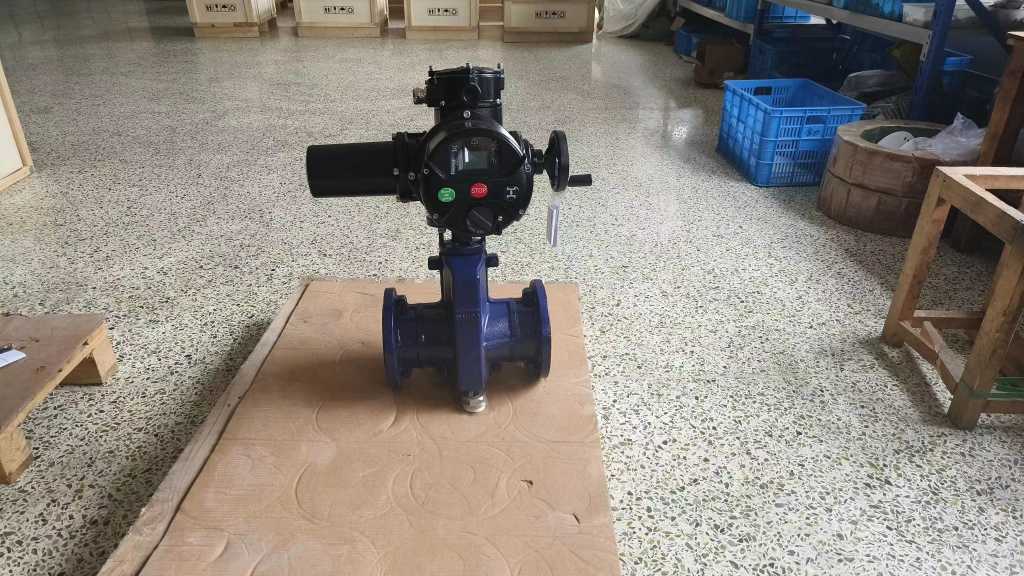
What is a Hydrogen Energy Electric Pinch Valve? A pinch valve is a type of valve that regulates the flow of gases or liquids by pinching a flexible tube or hose. The flexibility of the tube allows the valve to shut off or regulate flow by mechanically pinching the tube closed. When applied in hydrogen energy systems, pinch valves are often controlled by an electric actuator, which allows for precise and remote operation. This is especially important in systems that require high levels of automation, precision, and safety, such as those involved in hydrogen production, storage, and transportation.