In any industrial setting, safety is paramount. One of the critical components of maintaining a safe work environment is the lockout/tagout (LOTO) procedure, which is designed to prevent accidents during equipment maintenance or repair. Among the key tools used in LOTO procedures are safety lockout tags, which serve as a visual warning and a crucial safety mechanism to ensure that machines and electrical systems remain in a locked and safe state. This article discusses the importance of safety lockout tags, their role in preventing workplace accidents, and the benefits they provide to workers and employers alike.
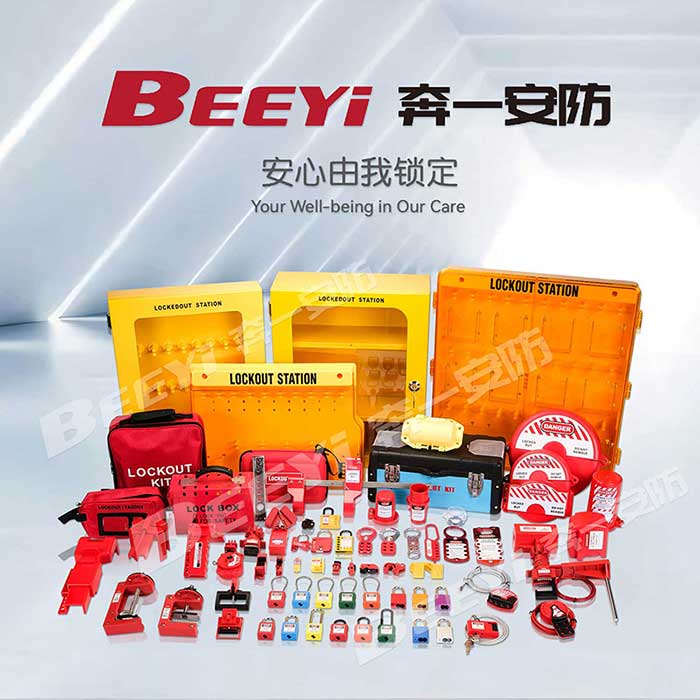
What Are Safety Lockout Tags? Safety lockout tags are physical tags that are attached to machines, equipment, or electrical systems to indicate that they are locked and cannot be operated. These tags typically come with a warning message or an instruction that notifies workers that the equipment is undergoing maintenance or repair. Safety lockout tags are part of a broader safety practice known as lockout/tagout (LOTO), a procedure designed to control hazardous energy sources during servicing activities. The lockout process involves physically locking a device in place to prevent accidental operation, while the tag serves as a warning that the equipment should not be used until the repair work is complete.