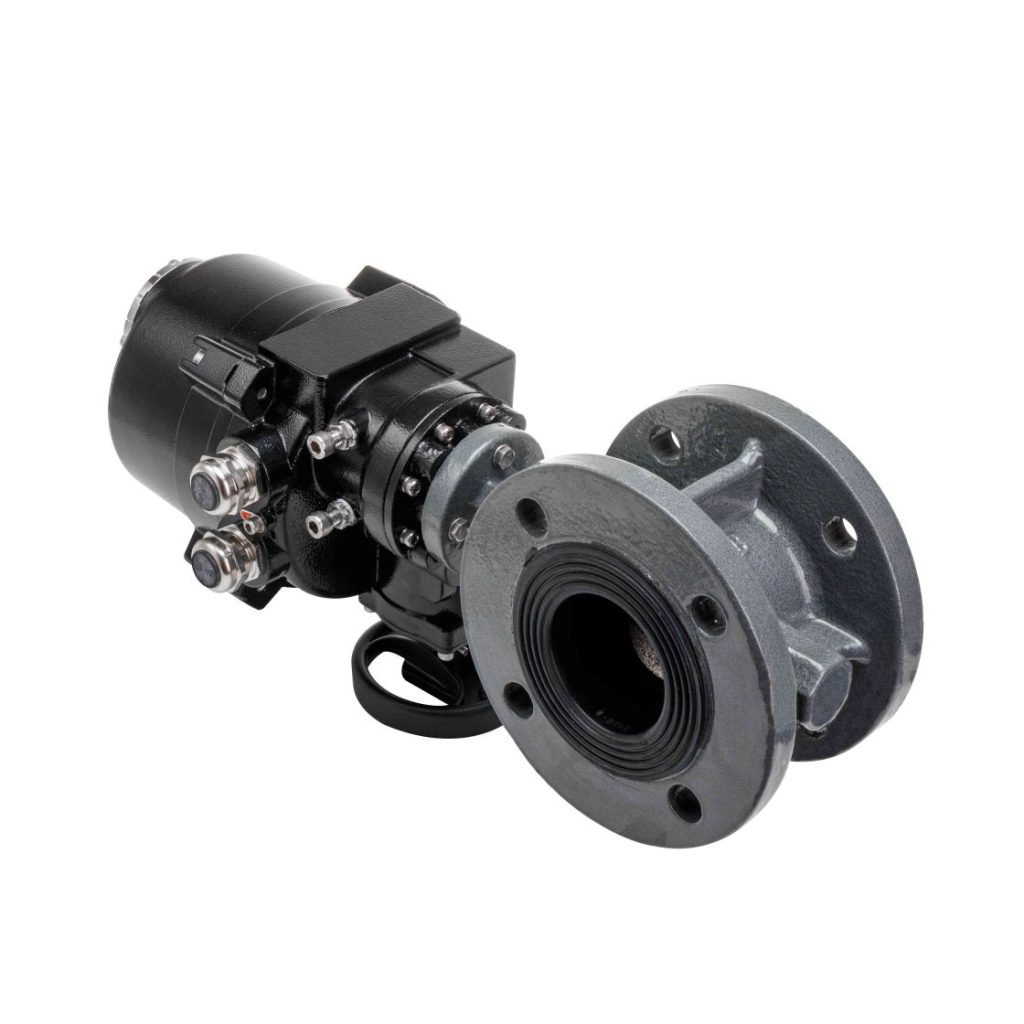
The marine industry, known for its vast operational scope, has continuously embraced technological advancements to enhance efficiency, safety, and environmental responsibility. One such innovation is the marine electric ball valve. A crucial component in ship automation systems, this valve plays a pivotal role in controlling the flow of fluids and gases, contributing to smooth and reliable operations on board vessels. In this article, we will explore the significance, advantages, and applications of marine electric ball valves, along with their role in shaping the future of marine automation.
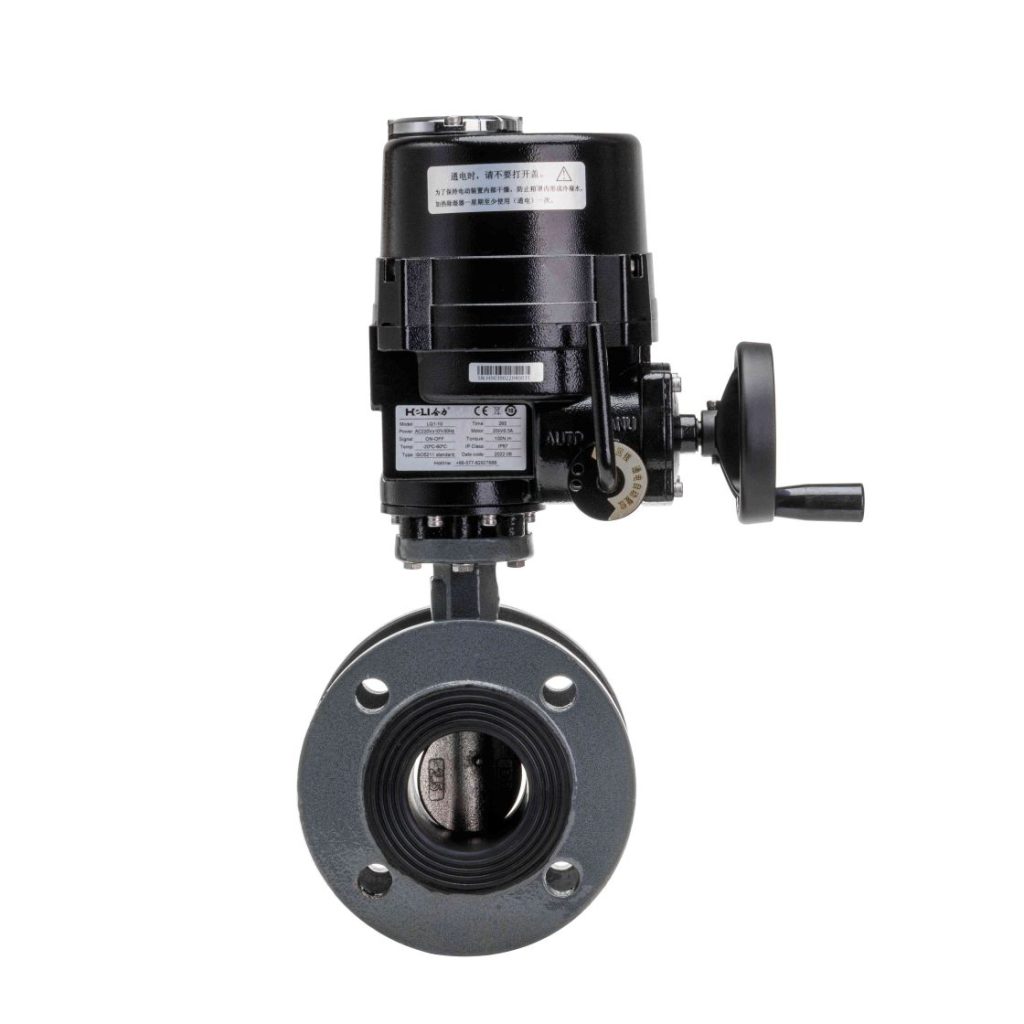
What is a Marine Electric Ball Valve?
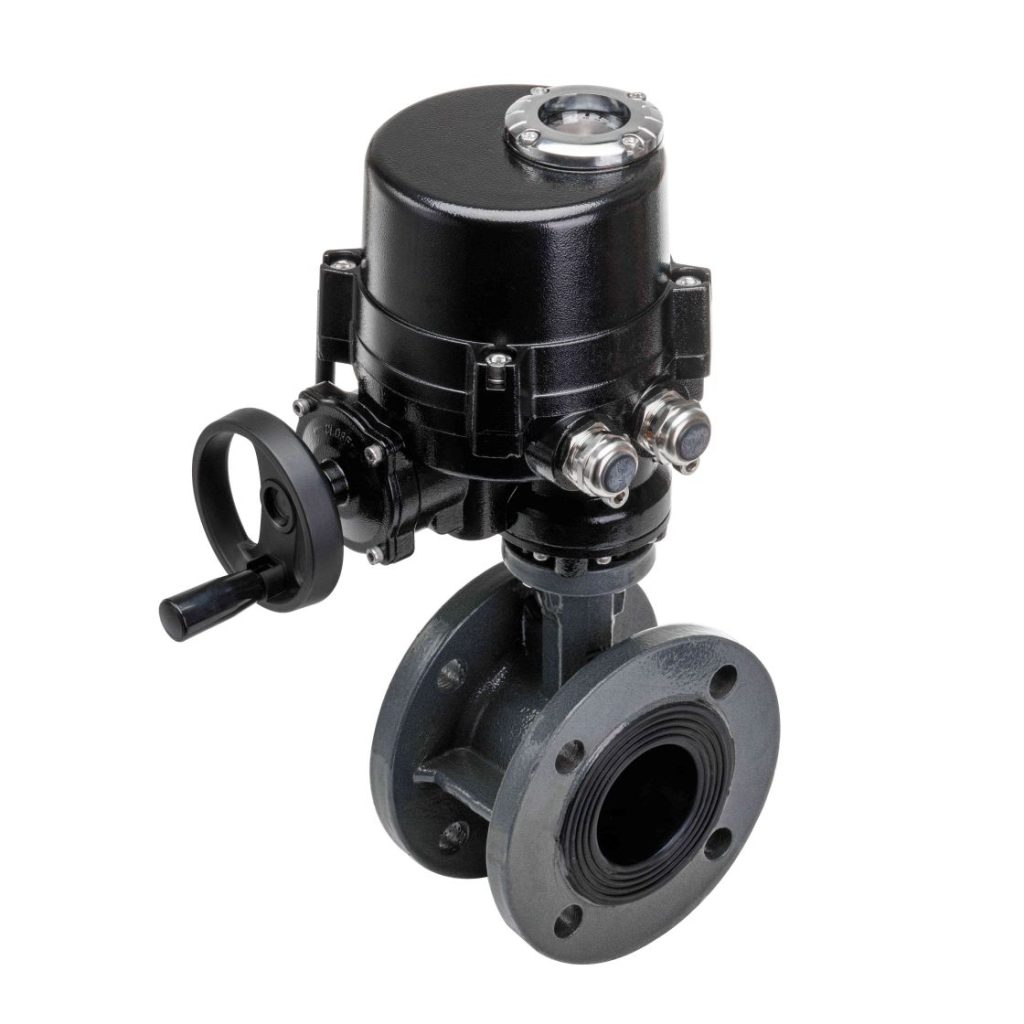
A marine electric ball valve is a type of valve that uses an electric actuator to control the rotation of a ball inside the valve body. The ball has a hole or port in the middle, and when it is aligned with the flow path, the valve is open, allowing fluids or gases to pass through. Conversely, when the ball is rotated 90 degrees to block the flow, the valve is closed. The electric actuator provides precise and automated control of the valve, eliminating the need for manual operation. This automation ensures a consistent flow, reduces human error, and enhances operational efficiency. Key Features of Marine Electric Ball Valves