In the modern world, lithium-ion batteries power a wide range of devices, from smartphones and laptops to electric vehicles and renewable energy storage systems. However, as these batteries become more compact and energy-dense, the need for robust safety mechanisms has become critical. One such safety feature is the Stainless Steel Lithium Battery Valve, which plays a vital role in maintaining the integrity and reliability of these power sources. In this article, we will explore the functionality, design, and importance of stainless steel valves in lithium-ion batteries.
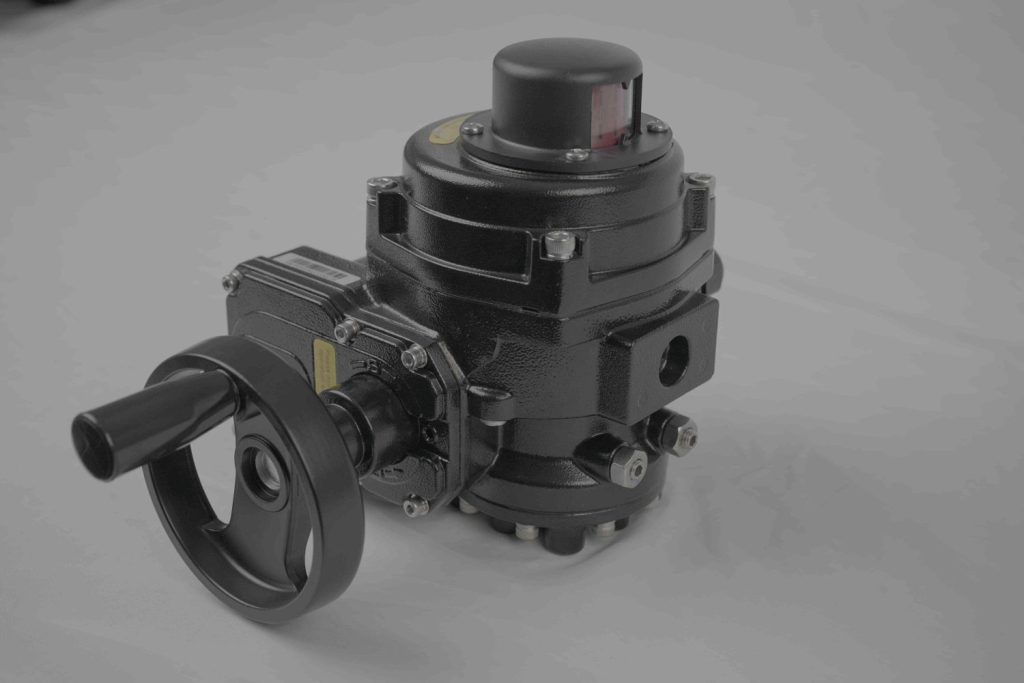
The Role of Stainless Steel Lithium Battery Valves The primary function of the Stainless Steel Lithium Battery Valve is to provide pressure relief in case of excessive internal pressure build-up within a battery cell. Under normal operating conditions, lithium-ion batteries are sealed to prevent leakage of the electrolyte and ensure that no external contaminants enter the battery. However, internal factors like overheating, overcharging, or short circuits can cause the battery to generate gas, which may result in dangerously high pressure inside the cell. If this pressure is not relieved, the battery could rupture or even explode, posing significant safety risks. This is where the stainless steel valve comes into play. It serves as a pressure vent that opens when the internal pressure exceeds a predetermined threshold. By releasing the gas in a controlled manner, the valve prevents catastrophic failure and ensures the safety of both the device and its user.