Telecommunication relay plays a critical role in ensuring the seamless transmission of data, voice, and video across vast distances. In the context of telecommunications, a relay is a device that is used to amplify, regenerate, or route signals through various media, including optical fibers, wireless radio frequencies, and satellite links. Its primary function is to maintain the quality and integrity of the signal, compensating for the inevitable loss and degradation that occurs over long-distance transmission.
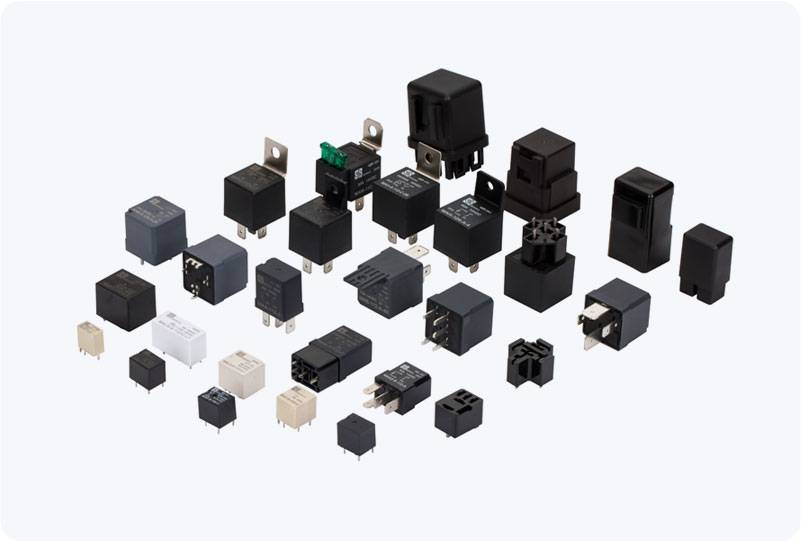
Understanding Telecommunication Relays A telecommunication relay typically operates by receiving a signal, processing it, and then retransmitting it to a further point along the communication path. This is crucial in systems where direct, uninterrupted transmission of signals is not feasible due to physical limitations such as distance, signal attenuation, and environmental interference. For instance, when a signal is transmitted over long distances through cables or optical fibers, the strength of the signal weakens, making it difficult for the receiver to accurately interpret the data. A telecommunication relay works to boost or regenerate the signal to its original strength, ensuring that the receiver can process it without loss of information. These relays can be found in a variety of communication infrastructures, including fiber optic networks, wireless communication systems, and satellite communications.