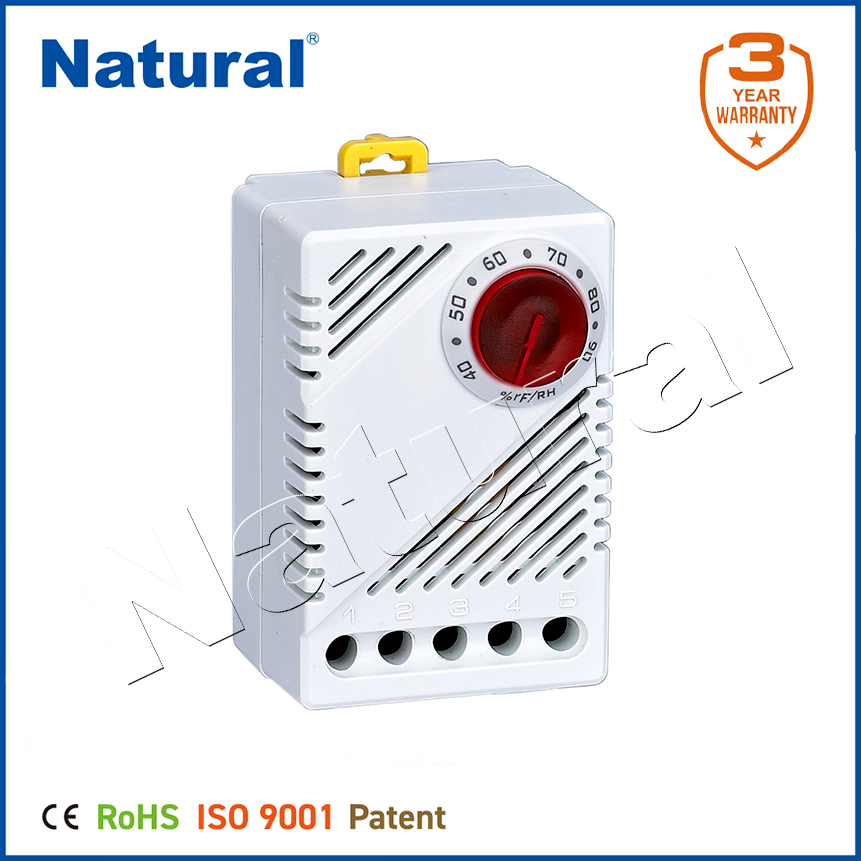
The electronic hygrostat, a device designed to regulate and control the level of humidity in indoor environments, has gained significant importance in both residential and commercial applications. With the increasing awareness of indoor air quality and the impact of humidity on comfort, health, and the longevity of materials, the electronic hygrostat has emerged as an essential tool for maintaining optimal humidity levels. In this article, we will explore the functionality, benefits, and applications of electronic hygrostats, along with their key features and how they contribute to a healthier, more comfortable living and working environment.
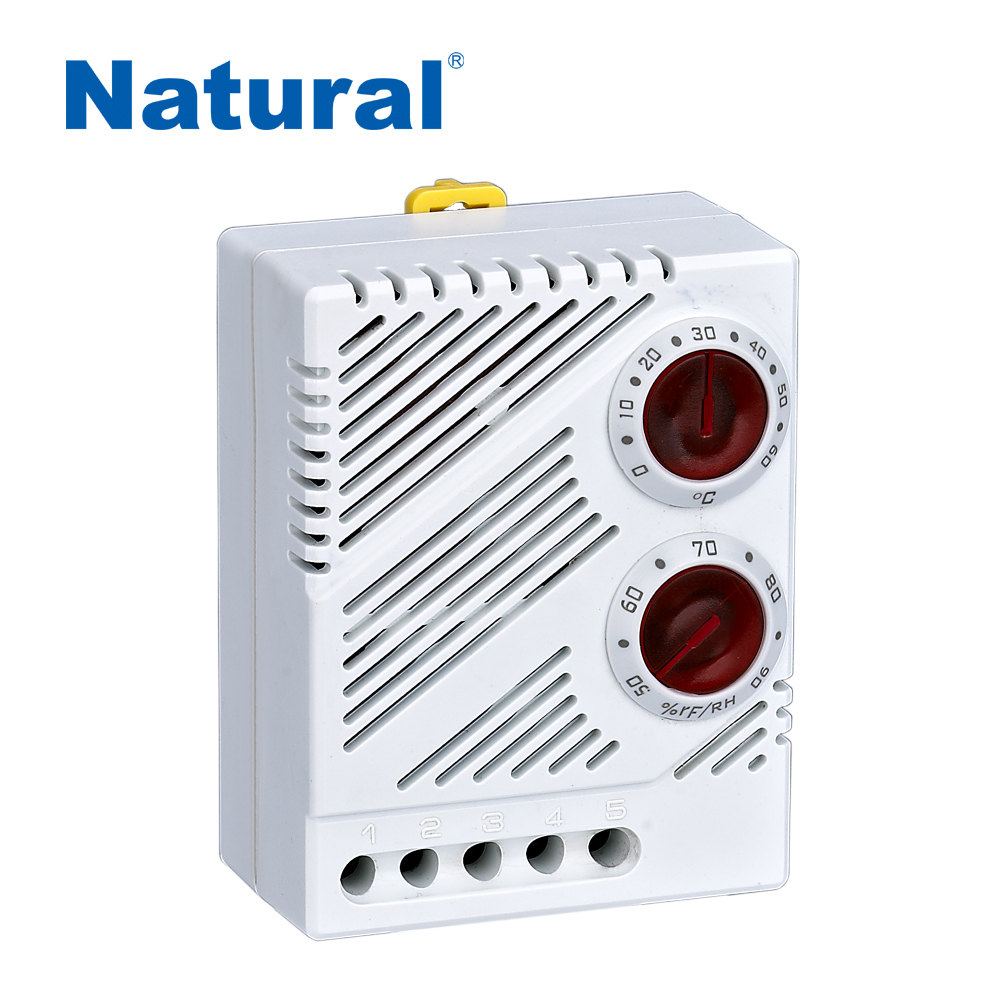
What is an Electronic Hygrostat?
An electronic hygrostat is an advanced version of the traditional hygrometer, which measures the level of humidity in the air. While a hygrometer only measures humidity, a hygrostat is equipped with the additional functionality to regulate or control the humidity level. This is typically achieved by turning on or off devices like humidifiers, dehumidifiers, or ventilation systems based on preset humidity thresholds. The electronic hygrostat uses sensors to continuously monitor the air’s moisture content and activates or deactivates connected appliances to keep the humidity within the desired range.