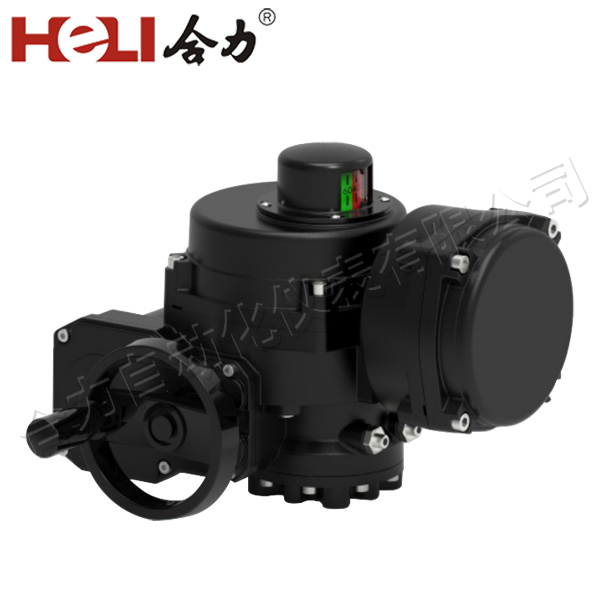
In recent years, the world has witnessed a rapid shift towards automation and energy-efficient solutions in various industries. Among these advancements, Lithium Battery Electric Actuators have gained significant attention due to their efficiency, reliability, and versatility. These devices combine the benefits of electric actuators and lithium battery technology, making them suitable for a wide range of applications, from industrial automation to smart homes and medical devices. This article explores the working principles, advantages, challenges, and potential applications of lithium battery electric actuators.
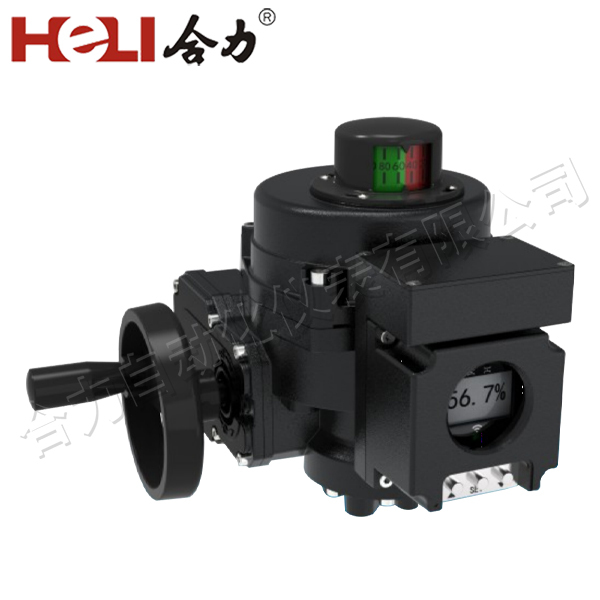
What is a Lithium Battery Electric Actuator?
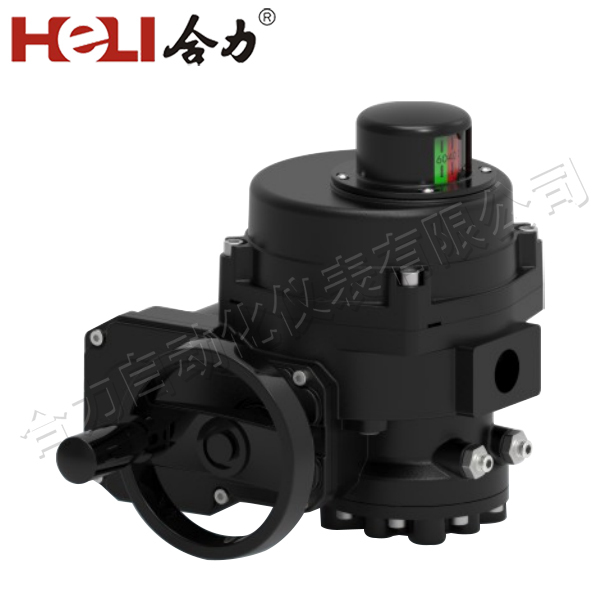
A lithium battery electric actuator is a mechanical device that converts electrical energy into motion to perform a specific task. Typically, electric actuators are powered by electric motors, which drive mechanical components like gears, shafts, or pistons. The integration of lithium battery technology provides a portable, energy-efficient power source, allowing these actuators to function without needing to be plugged into a constant power supply. Lithium batteries are known for their high energy density, lightweight design, and long lifespan, which makes them an ideal power source for mobile and remote applications. When combined with electric actuators, they offer a highly effective solution for systems requiring precise control and mobility.