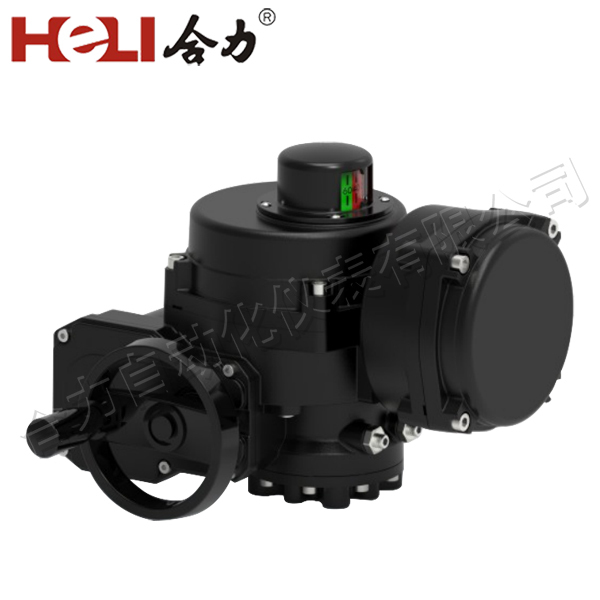
Hydrogen energy is rapidly emerging as one of the most promising solutions in the quest for cleaner, more sustainable technologies. Among the various applications of hydrogen fuel, hydrogen energy electric actuators represent a significant step forward, particularly in fields such as robotics, automotive, and aerospace. These actuators combine the benefits of hydrogen power and electric actuation, offering a clean and efficient means of generating motion. This article explores the concept of hydrogen energy electric actuators, their applications, advantages, and challenges.
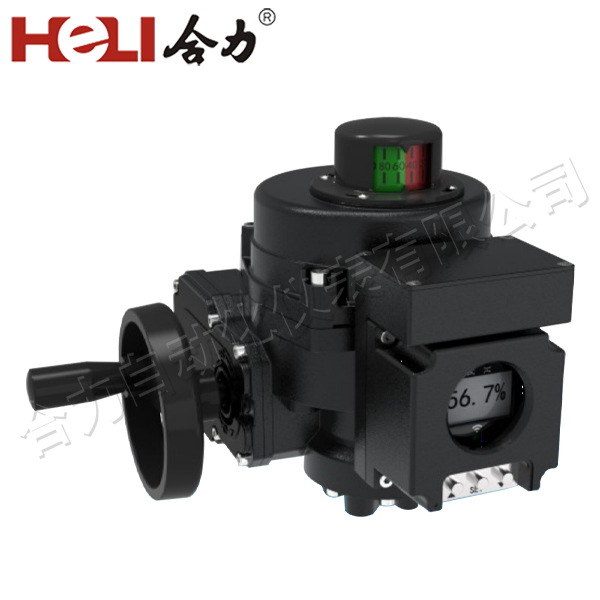
What Are Hydrogen Energy Electric Actuators?
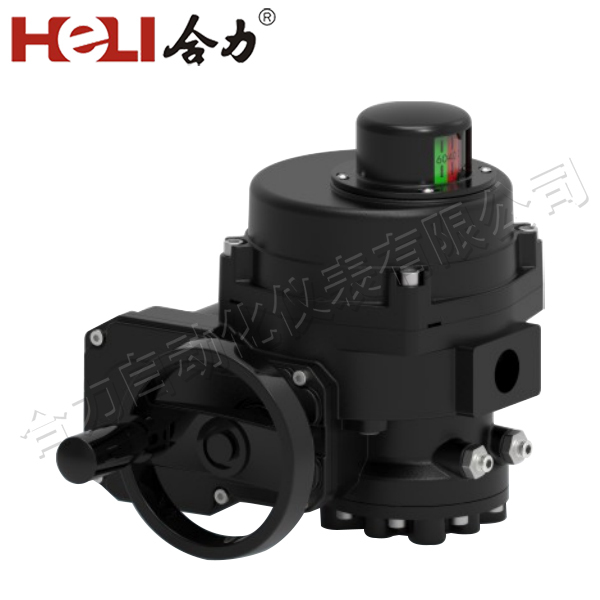
At its core, a hydrogen energy electric actuator is a mechanical device that uses electricity generated from hydrogen fuel cells to create motion. Unlike conventional electric actuators that rely on batteries or grid power, these actuators are powered by the electricity generated through the chemical reaction in a hydrogen fuel cell. This process involves hydrogen reacting with oxygen in the fuel cell, producing electricity, heat, and water vapor—making it an eco-friendly power source. Hydrogen fuel cells are particularly attractive because of their high energy density and ability to provide continuous power without the need for frequent recharging, unlike batteries. This is especially important for applications that demand high efficiency and longer operational times, such as those found in industrial machinery and vehicles.