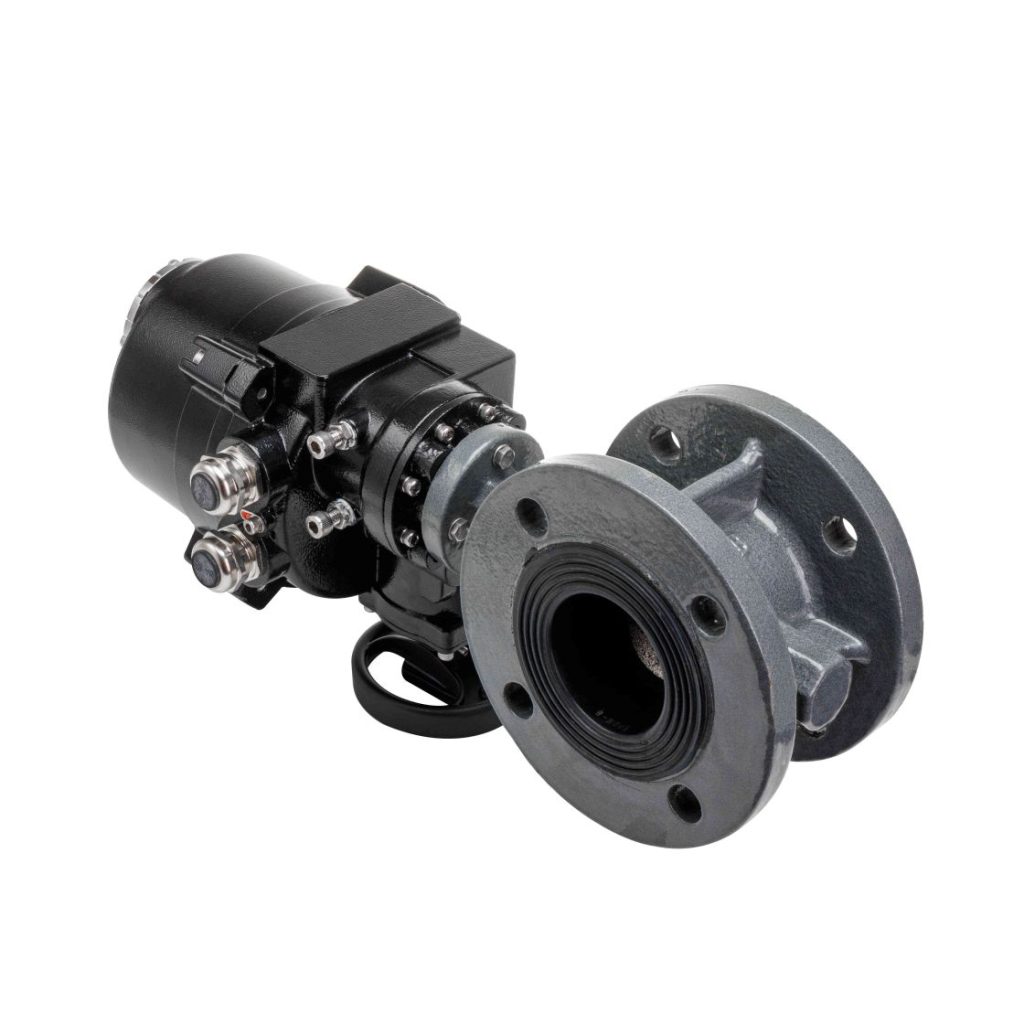
In the marine and offshore engineering sectors, the role of valves cannot be overstated. Among them, the WCB Marine Electric Ball Valve stands out due to its unique blend of durability, functionality, and adaptability to challenging environments. This article aims to explore the working principles, applications, and maintenance considerations of the WCB Marine Electric Ball Valve.
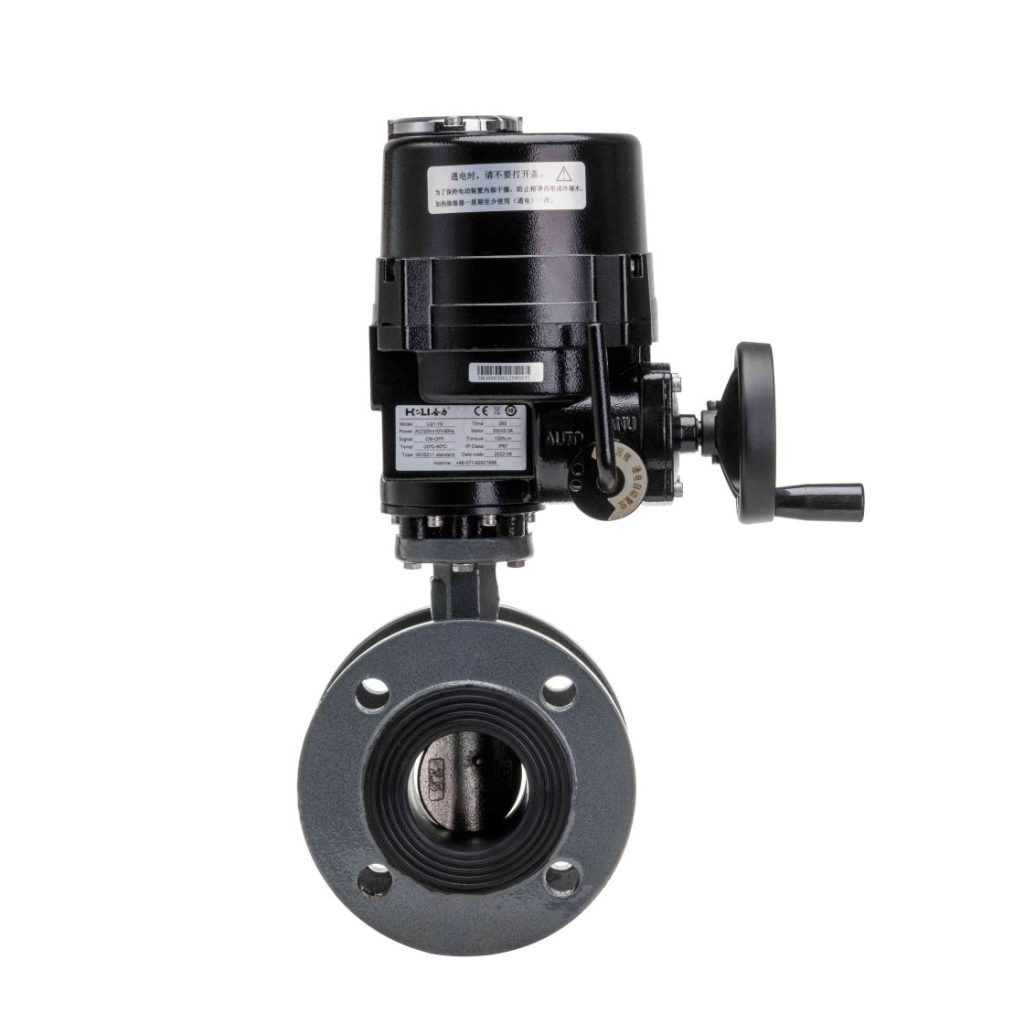
Working Principles of WCB Marine Electric Ball Valve
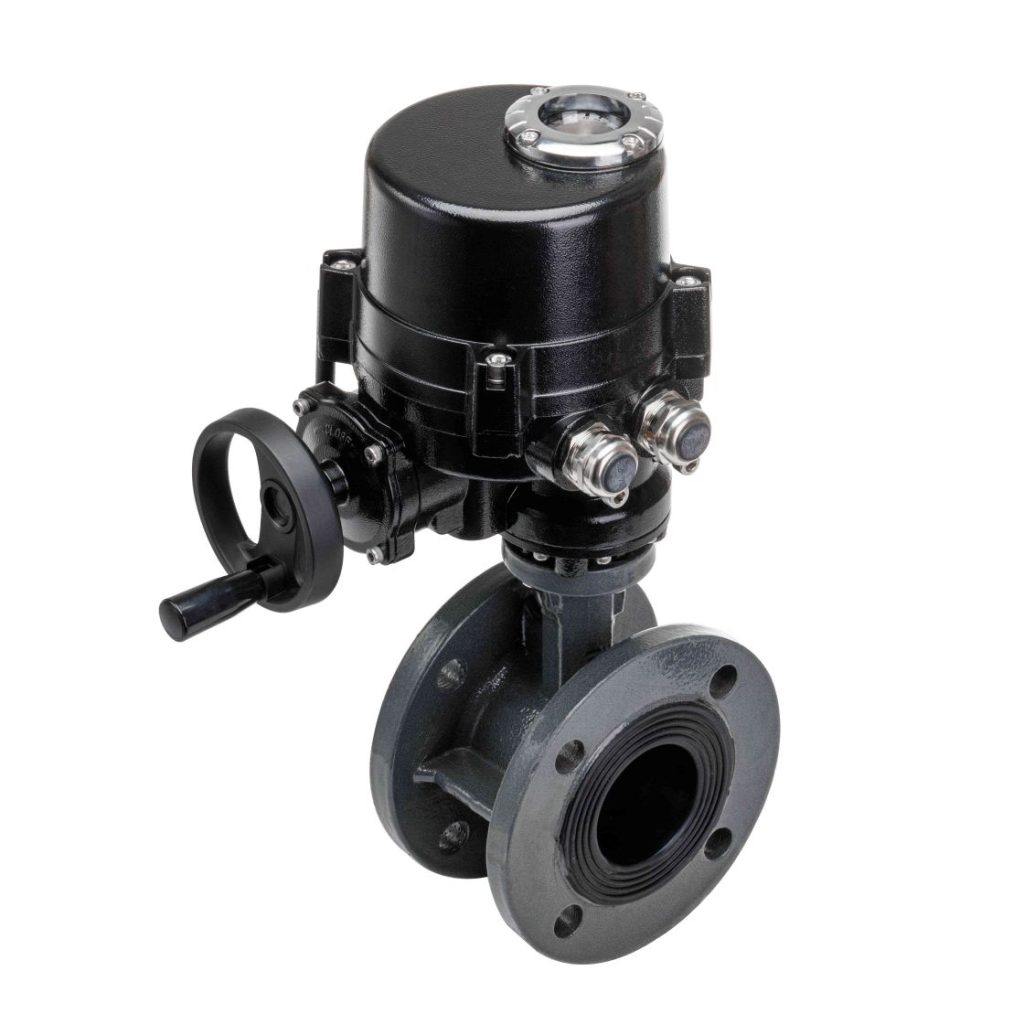
The WCB Marine Electric Ball Valve operates on the principle of a quarter-turn motion. The valve’s ball, usually made of stainless steel or other corrosion-resistant materials, rotates 90 degrees within the valve body to control the flow of fluid. The electric actuator, powered by electricity, is responsible for actuating the ball’s rotation. This actuator can be controlled remotely, via an automated system, or manually, depending on the specific requirements of the application. The valve’s sealing performance is ensured by the tight fit between the ball and the seat, which is usually made of elastomeric materials. This design ensures that even under high pressure and temperature conditions, there is minimal leakage, if any.